Calves
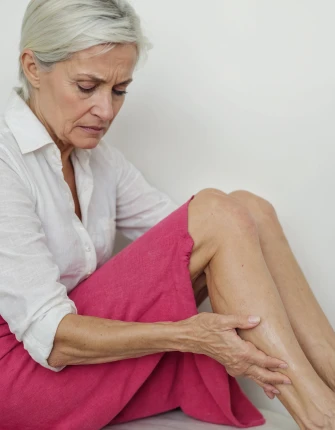
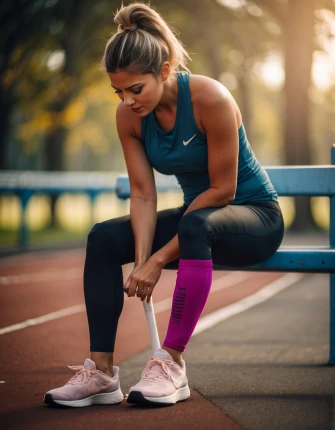
The calves, also known as the gastrocnemius muscles, are paired skeletal muscles located at the back of the lower leg. Their main function is to allow the downward flexion (plantar flexion) of the foot at the ankle and assist in bending the knee. The calf muscles consist of two heads: the medial and lateral, both originating from the lower part of the femur and merging into the Achilles tendon, which attaches to the heel bone (calcaneus). Due to their role in walking, running, and jumping, the calf muscles are prone to frequent injuries, such as strains or tears.
How can physiotherapy help you?
Physiotherapists treat several common calf muscle issues and conditions:
- Muscle tears (strains): these are common injuries that occur when the muscle fibers are overstressed. A muscle tear can cause pain, swelling, and limited mobility.
- Achilles tendinitis: inflammation or irritation of the Achilles tendon, which causes pain at the back of the ankle, often due to overuse.
- Compartment syndrome: increased pressure within the muscle compartments, which can restrict blood flow and cause pain, weakness, and, in severe cases, permanent damage.
- Plantar fasciitis: inflammation of the plantar fascia, which can affect the foot and the calves, as this tissue is connected to the Achilles tendon.
- Overuse injuries: these injuries can occur from repetitive activities, causing microtrauma in the muscles and tendons.
- Chronic calf pain: this can result from improper posture, incorrect movement, or muscle imbalances.
- Muscle cramps: sudden, unexpected, and painful cramps in the calves, often occurring during physical activities or at night.
Show more Show less
Articles from our blog
Read articles about calves.