

Physiotherapy
Calf Pain at Rest
Calf pain during physical activity is quite common, but pain in the calves that occurs at rest can be more concerning. This phenomenon may indicate various health issues or be related to improper posture and movement. In this article, we will explore the main causes of calf pain at rest and discuss effective methods for prevention and treatment. From muscle cramps to more serious health conditions, we will examine what could cause these pains and how to avoid them.
Anatomy of the Calves
The calves are located at the back of the lower leg and are a complex structure composed of several different muscles, tendons, nerves, and blood vessels. The main components of the calves are the gastrocnemius and soleus muscles, which merge into the Achilles tendon, the largest and strongest tendon in the body, attached to the heel bone.
- Gastrocnemius Muscle: This muscle is more superficial and has two heads – a medial and a lateral head. It gives the calves their characteristic shape and is responsible for plantar flexion of the foot and knee movements. The gastrocnemius is activated during activities like walking, running, and jumping, making it essential for many sports and daily activities.
- Soleus Muscle: Located beneath the gastrocnemius, the soleus is a deeper muscle. It plays a key role in stabilization and maintaining posture while standing and walking. The soleus is activated during prolonged activities, such as long-distance walking, as it contains more endurance muscle fibers.
Nerves and Blood Vessels in the Calf Area
The nerves innervating the calves include the tibial nerve, which runs along the back of the leg and transmits signals between the brain and the muscles. Peripheral arteries and veins provide blood circulation, ensuring proper muscle function and the removal of waste products. Any disruption in blood flow or nerve damage can affect calf function and lead to pain.
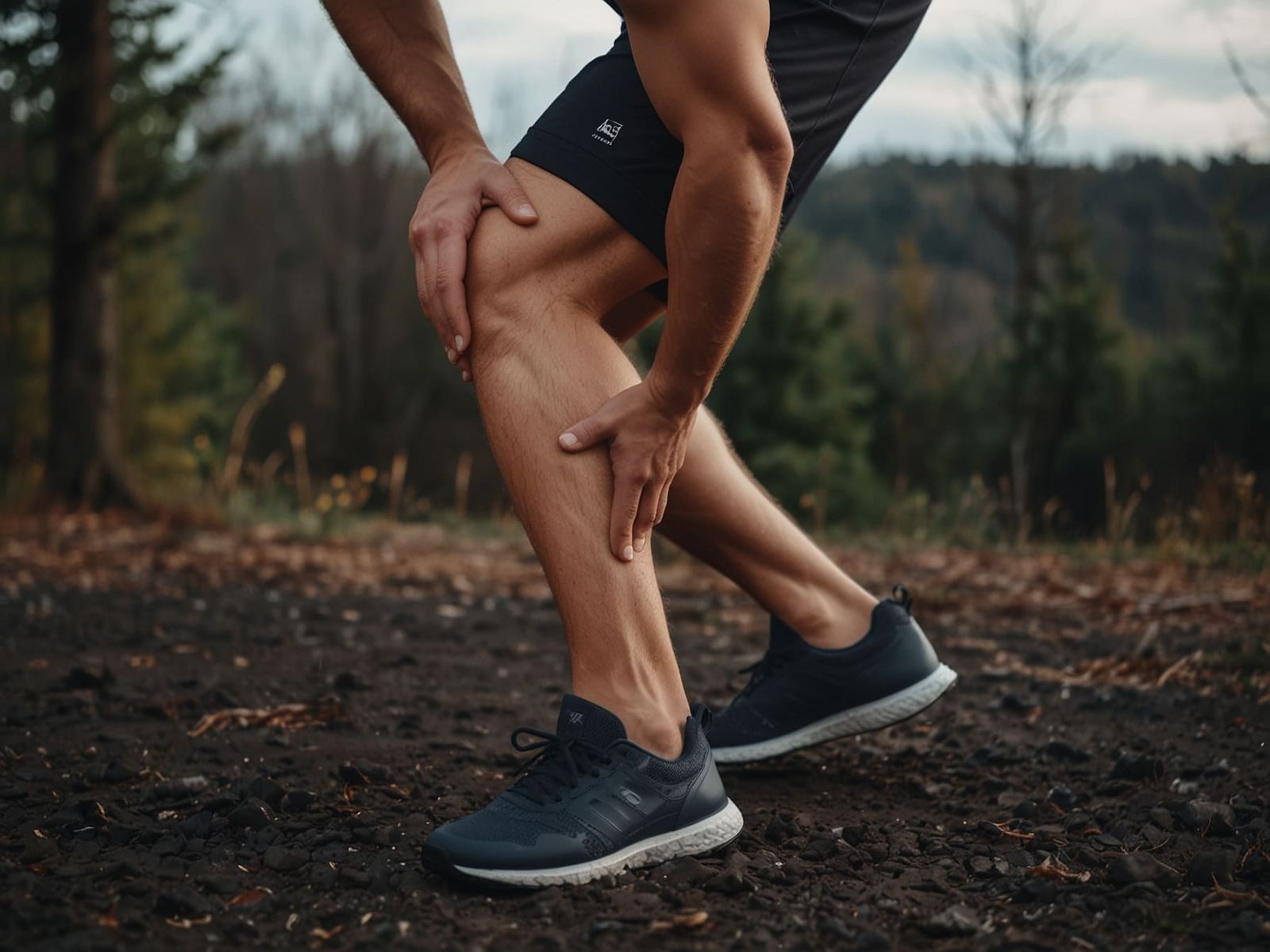
Main Causes of Calf Pain at Rest
Calf pain at rest can have various causes. Some are relatively harmless and temporary, while others may indicate more serious health issues. Below is a list of the most common causes:
- Muscle Cramps: Muscle cramps are sudden, involuntary contractions of the muscles that can cause severe pain. These cramps may be due to a lack of electrolytes such as potassium, magnesium, and sodium, which are essential for muscle contraction and relaxation. Cramps can also occur due to dehydration, prolonged exercise without adequate stretching, or overuse of the muscles.
- Circulatory Problems: Poor blood circulation in the lower extremities is a common cause of calf pain. Peripheral arterial disease (PAD) is a condition where the arteries narrow due to plaque buildup, limiting blood flow. Symptoms of PAD include pain or cramping that worsens with walking and improves with rest. Chronic venous insufficiency is another issue where blood pools in the veins due to weak valves, causing pain and swelling.
- Neuropathy: Neuropathy is nerve damage that can cause pain, tingling, or a burning sensation in the calves. It is associated with various conditions such as diabetes, alcoholism, or vitamin B12 deficiency. Neuropathy can lead to permanent nerve damage, affecting muscle function and causing pain at rest.
- Injuries or Overuse: Overuse of muscles and tendons or minor injuries such as strains or tears can cause calf pain. This often happens due to sudden changes in exercise intensity, improper technique, or insufficient recovery time between workouts. Injuries can cause inflammation, leading to pain at rest.
- Muscle Diseases: Certain muscle diseases such as myositis, muscular dystrophy, or fibromyalgia can cause calf pain at rest. Myositis is an inflammation of the muscles often associated with autoimmune diseases. Muscular dystrophy is an inherited condition that causes progressive muscle weakness. Fibromyalgia is a chronic condition that causes widespread pain, including in the calves, and may be accompanied by fatigue and other symptoms.

Prevention and Treatment
By understanding the causes and recognizing the symptoms, calf pain at rest can be effectively prevented and treated. If the pain persists or worsens, it is always advisable to seek medical advice to identify the cause and recommend appropriate treatment. While some causes of calf pain at rest may require medical intervention, there are also simple steps you can take to prevent and reduce the pain. Here are some recommendations for preventing calf pain:
- Stretching and Warm-Up: Before exercise, it is essential to warm up and perform stretching exercises to prevent muscle cramps and injuries. Stretching helps increase muscle flexibility and reduces the risk of strains. Incorporate dynamic stretches that mimic the movements of your workout to prepare your muscles for exertion. After exercise, it is equally important to cool down with gentle stretching to relieve muscle tension and improve recovery.
- Hydration and Nutrition: Proper hydration is crucial to prevent muscle cramps and maintain optimal muscle function. Drink water during exercise and ensure adequate replacement of electrolytes such as potassium, magnesium, and calcium, which aid in muscle contraction. A balanced diet rich in vegetables, fruits, and proteins can promote muscle health. Electrolyte supplements or sports drinks may be beneficial, especially during prolonged physical activity.
- Proper Technique and Rest: Proper exercise technique is essential to prevent injuries and overuse. Ensure you perform exercises with correct posture and movements. If engaging in intense workouts, follow the principle of gradually increasing intensity to avoid excessive strain on muscles and tendons. Additionally, it is important to allow sufficient rest between workouts to let the muscles recover. Occasional rest days or light activities can help prevent overuse injuries.
- Medical Consultation: If calf pain does not subside or worsens, seeking medical advice is important. A doctor can evaluate the causes of the pain, conduct necessary tests, and recommend appropriate treatment. Treatment may include physical therapy, pain management techniques, or specific exercises to strengthen the muscles and improve mobility. In some cases, additional diagnostic tests such as ultrasound or MRI may be necessary to determine the exact cause of the pain.
- Physical Activity and Weight Loss: Regular physical activity is beneficial for improving circulation and reducing the risk of calf pain. Low-impact exercises such as walking, swimming, or cycling are effective for strengthening muscles without excessive strain. If you are overweight, losing weight can reduce stress on muscles and joints, leading to less pain. A combination of a healthy diet and regular exercise is recommended for weight loss.

By following these measures, you can reduce the risk of calf pain and improve the overall health of your muscles. If the pain persists, it is important to consult a doctor for further guidance and treatment.