

Laser Therapy
What is Laser Therapy?
Physiotherapy is a cornerstone of rehabilitation and pain management, helping individuals regain functionality and improve their quality of life after injuries, surgeries, or in managing chronic conditions. In recent decades, technological advancements have dramatically transformed treatment methods, with laser therapy emerging as one of the most promising innovations. This advanced method utilizes light beams of specific wavelengths to treat various conditions. In this article, we will examine laser therapy in detail, its mechanisms of action, and the key benefits it brings to the field of physiotherapy.
What is Laser Therapy?
Laser therapy, also known by the technical term photobiomodulation, is an advanced form of physiotherapy that uses low-intensity laser light for treatment. This technique utilizes specific light that can penetrate deep into the affected tissues, thereby stimulating their healing while reducing inflammation and pain. When the laser beam reaches the tissue, it triggers a series of biochemical reactions that significantly accelerate the natural healing and cell regeneration processes.
Laser therapy began to gain recognition in the 1970s when scientists started exploring its potential applications in treating various medical conditions. Advances in laser technology have made devices more accessible and easier to use, allowing for their widespread implementation in clinical settings worldwide. Today, laser therapy is used to treat a broad range of issues, including muscle pain, soft tissue injuries, and even certain skin conditions. This technique is particularly popular due to its non-invasive nature, offering an effective alternative to traditional treatment methods such as pain medications or invasive surgical procedures. Because of its efficiency in reducing pain and accelerating healing, laser therapy is highly favored by patients seeking safe and rapid solutions for their health concerns.
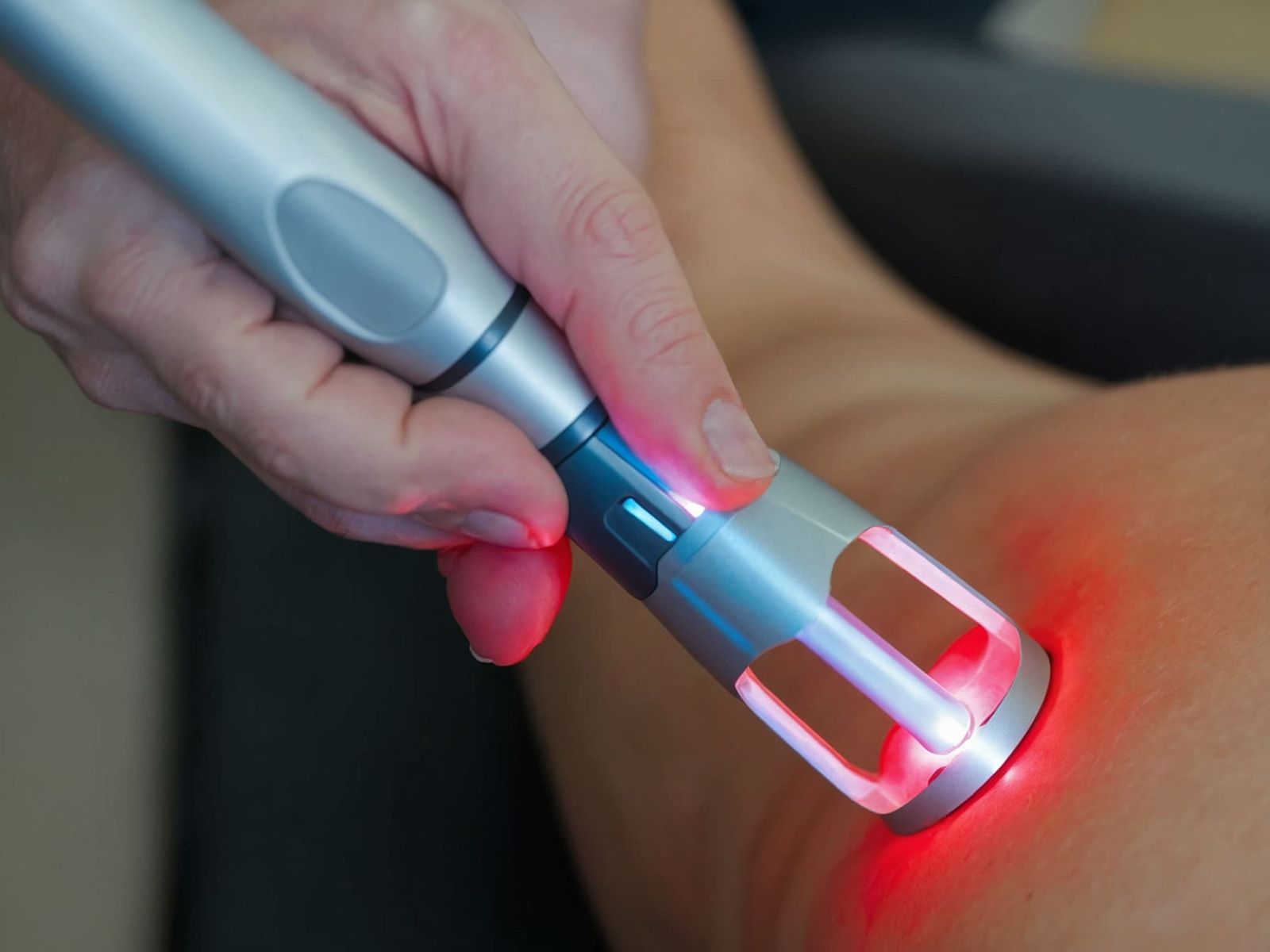
An advantage of laser therapy is its applicability to various types of patients, including those who may not tolerate certain treatments or are prone to other limitations.
How does laser therapy work?
Laser therapy operates on the principle of photobiomodulation, a process where light stimulates cellular functions, leading to improved healing, pain reduction, and decreased inflammation. When laser light reaches the target tissue, it is absorbed into cells, triggering a series of molecular and chemical reactions. These include an increased production of ATP (adenosine triphosphate), the primary energy source for cellular processes. More ATP means better cellular function and faster tissue regeneration.
- Photon stimulation of cells: Laser beams emit light at specific wavelengths, allowing precise targeting of injured tissues. Light at these specific frequencies penetrates optimally into deeper layers of skin and subcutaneous tissue, directly targeting injured or inflamed cells. When a light photon is absorbed, the cell membrane stabilizes, increasing permeability for nutrients and oxygen and speeding up the removal of waste products.
- Reducing inflammation and pain: One key advantage of laser therapy is its ability to reduce inflammatory processes at the cellular level. Laser light decreases the activity of cytokines, inflammatory mediators, thereby reducing swelling and pain. Additionally, laser therapy stimulates the release of endorphins, the body's natural pain-relieving molecules, contributing to a sense of relief.
- Promoting angiogenesis: Laser therapy not only stimulates tissue regeneration but also angiogenesis, the growth of new blood vessels. This is particularly beneficial for treating chronic wounds or areas with impaired circulation. Improved blood flow allows better delivery of oxygen and nutrients to damaged cells, significantly enhancing the healing process.
- Accelerating tissue repair: On a cellular level, laser therapy accelerates the proliferation of fibroblasts, cells essential for connective tissue renewal. It also increases collagen synthesis, the fundamental building block of skin and other tissues, aiding in the repair and strengthening of damaged structures.
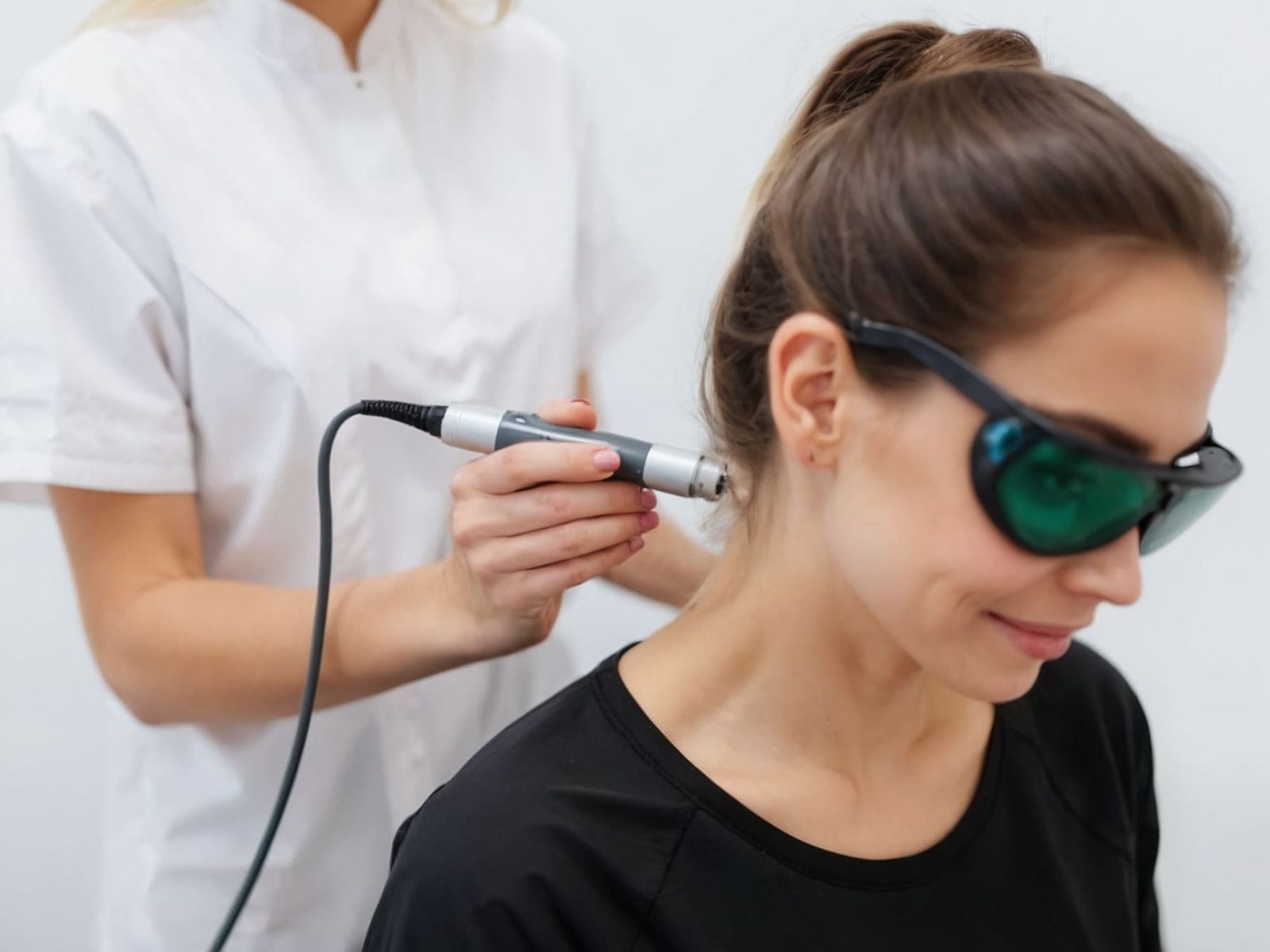
Thus, the operation of laser therapy on various levels – from the cellular to the tissue level – offers a comprehensive approach to treatment, improving patients' quality of life and supporting their physical functionality.
Advantages and Effectiveness of Laser Therapy
Laser therapy is an effective method in physiotherapeutic treatment, offering numerous advantages and demonstrating high efficacy supported by extensive clinical research. Below are the key benefits and proven effects:
- Faster Healing: Laser therapy significantly accelerates healing processes. By stimulating mitochondria and improving local blood circulation, the therapy helps the body regenerate tissues faster, which is crucial for quicker recovery from injuries.
- Pain Relief and Inflammation Reduction: One of the most valued benefits of laser therapy is its ability to reduce pain and inflammation. It achieves this by decreasing the production of inflammatory mediators and increasing endorphins, which naturally alleviate pain.
- Improved Functionality and Mobility: By reducing pain and inflammation and enhancing tissue repair, laser therapy allows patients to return more quickly to their daily activities and improve their quality of life.
- Safety and Non-Invasiveness: As a non-invasive method that does not require surgical procedures, laser therapy minimizes the risk of infections and complications often associated with other invasive treatments.
- Minimal Side Effects: Most patients tolerate laser therapy very well, as it has very few side effects.
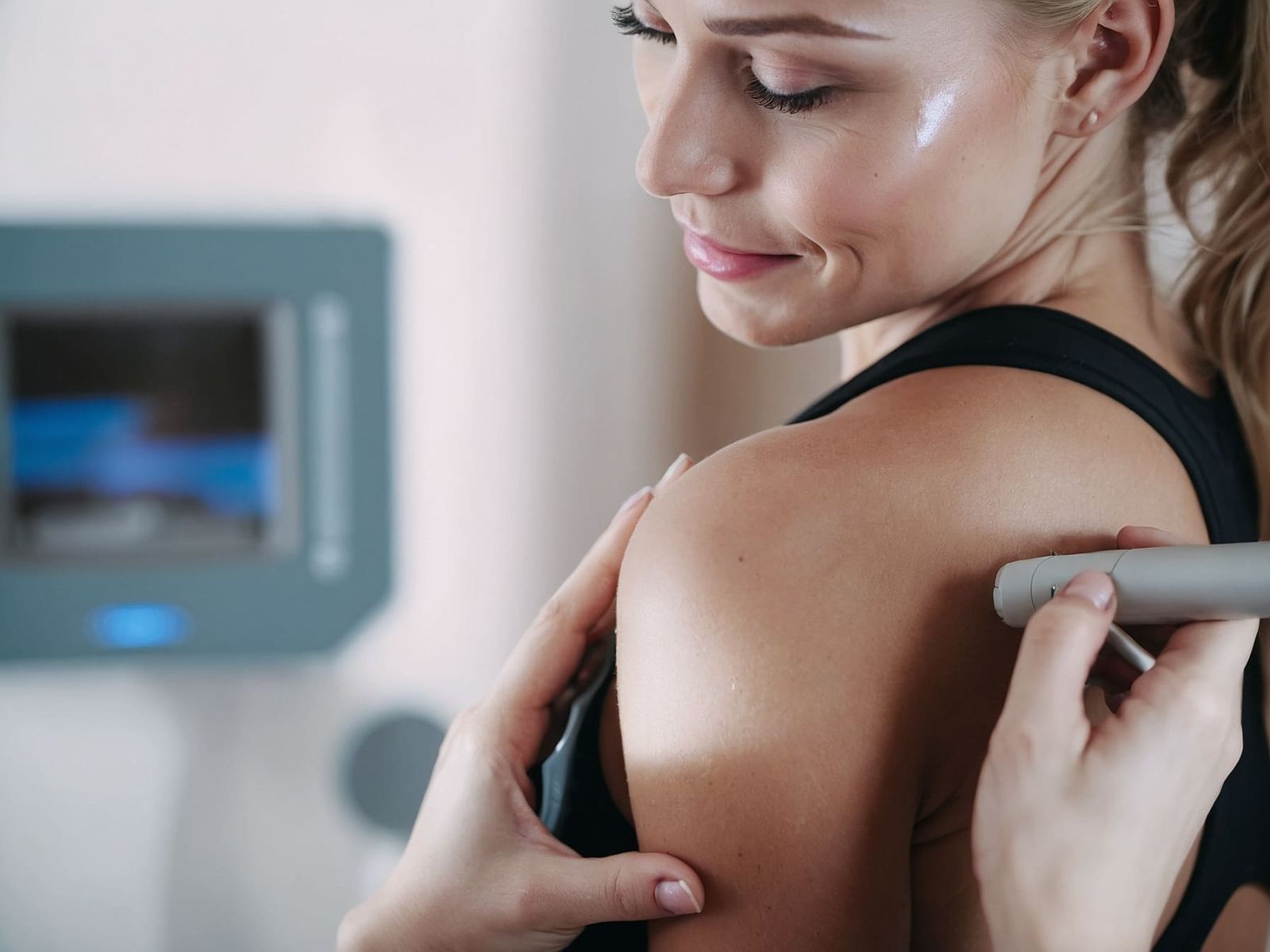
Supported by extensive clinical research, laser therapy continually proves its value as an effective treatment for a wide range of conditions.
Common Applications of Laser Therapy in Physiotherapy
Laser therapy is used in physiotherapy for a wide range of health conditions, offering effective treatment without the need for invasive procedures. This method proves to be invaluable for various issues due to its ability to target and treat conditions with precision.
- Muscle Pain: Laser therapy is frequently used to alleviate muscle pain caused by overuse, sports injuries, or chronic conditions such as fibromyalgia. The light therapy, which penetrates deep into the tissue, stimulates circulation and reduces inflammation, directly leading to pain relief.
- Soft Tissue Injuries: Laser therapy is highly effective in treating acute soft tissue injuries such as sprains, strains, or muscle tears. By activating biological mechanisms at the cellular level, such as increased ATP production and stimulation of cell proliferation, the therapy accelerates the healing process and shortens recovery time.
- Inflammation: Due to its ability to reduce inflammatory processes, laser therapy is an excellent choice for managing inflammatory conditions such as tendinitis, bursitis, and joint inflammation. Using specific wavelengths, laser therapy decreases the activity of inflammatory mediators, resulting in significant reduction of swelling and pain.

These specific applications of laser therapy reflect its broad applicability and effectiveness in various physiotherapy treatment contexts. Each of these applications highlights how laser therapy enables patients to recover faster, experience less pain, and achieve an improved quality of life.
The Course of Laser Therapy
Laser therapy is a treatment method designed to deliver maximum effectiveness with minimal discomfort. Below, we describe the standard process of laser therapy, along with what you can expect during the procedure.
- Initial Examination and Assessment: Before starting the treatment, the physiotherapist will conduct a thorough examination and assessment of your condition. This includes your medical history, current symptoms, and identifying the specific areas of the body to be treated.
- Preparation for Therapy: The patient is positioned comfortably, often lying on a therapy table. The affected area is exposed, while the rest of the body remains covered.
- Treatment Execution: The physiotherapist applies the laser device over the targeted area. The laser emits light pulses that penetrate the tissue. Sessions typically last between a few minutes and half an hour, depending on the size and type of the treated area.
- After Therapy: After the session, patients can immediately resume their daily activities. The physiotherapist may provide instructions for home care, such as stretching exercises or advice on managing any potential discomfort.
What Can Patients Expect During Therapy?
During therapy, you may feel a mild sensation of warmth or tingling, which is normal and indicates the activation of the laser therapy. The procedure is generally painless and non-invasive. Some patients notice immediate symptom relief, while others require multiple sessions to observe improvements.
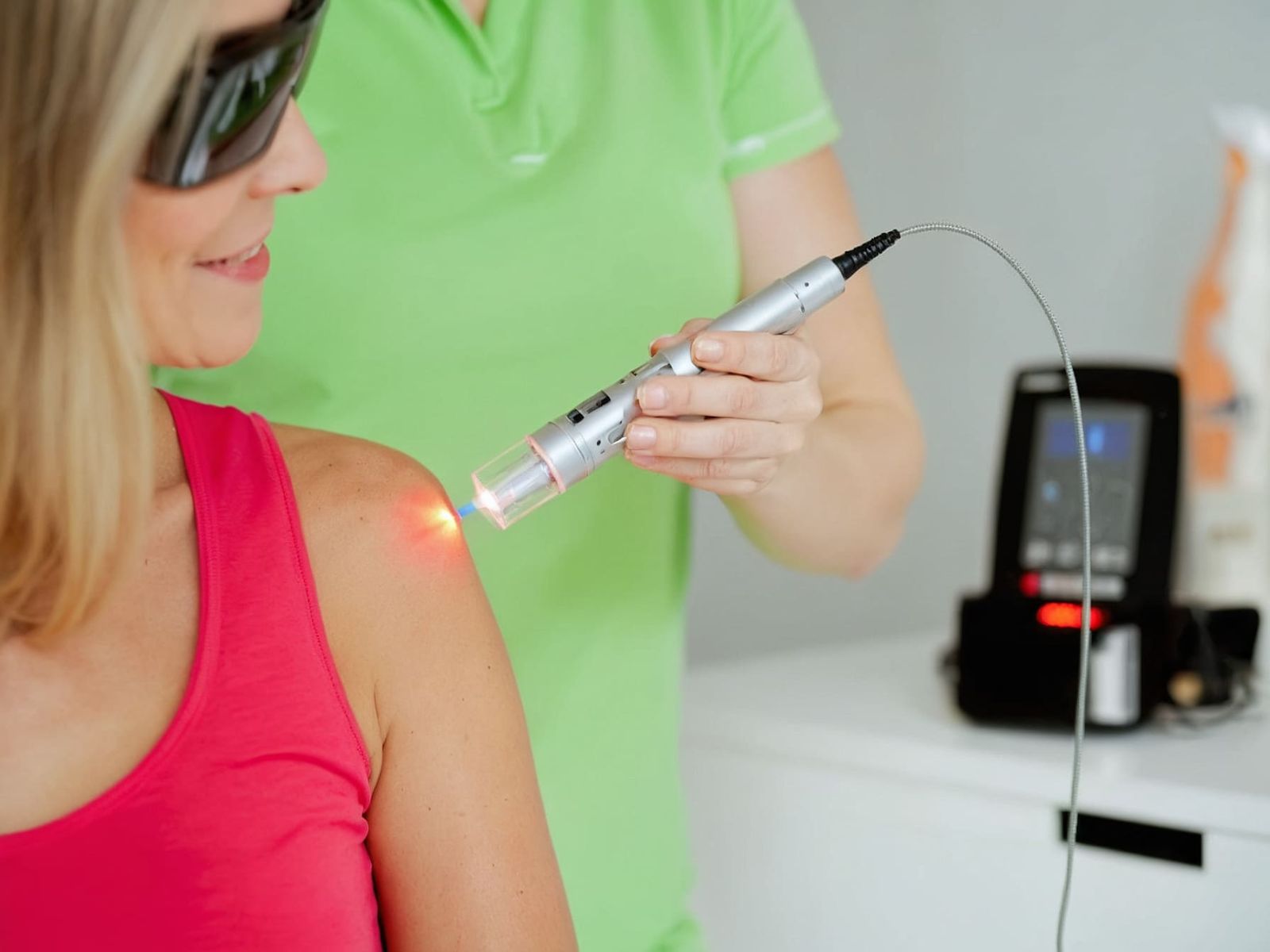
Due to its safety and effectiveness, laser therapy is an excellent choice for many who seek an alternative to traditional treatment methods. Patients are often satisfied with the results and continue with regular sessions to maintain or further enhance the achieved outcomes.