

Shockwave Therapy
Shockwave Therapy – What Is It and How Does It Work?
Shockwave Therapy is one of the most advanced treatment methods used by healthcare professionals worldwide. In recent years, it has gained significant attention due to its potential in treating various musculoskeletal conditions and disorders. In this article, we will explore what shockwave therapy is, how it works, which conditions it is effective for, and what the treatment process entails.
What Is Shockwave Therapy?
Shockwave therapy, also known as ESWT (Extracorporeal Shock Wave Therapy), is a non-invasive treatment method that uses high-energy sound waves to stimulate tissue regeneration. Initially used for breaking kidney stones, it is now increasingly applied in orthopedics, physiotherapy, and sports medicine. This therapy is designed to treat various conditions, such as chronic pain, inflammation, calcifications, and other musculoskeletal problems.
A key mechanism of shockwave therapy is triggering microscopic damage in tissues, which stimulates the body's natural regeneration process. This can help improve blood circulation, promote the growth of new blood vessels, and reduce inflammation. Over time, the therapy can alleviate pain and improve the function of affected areas.
Types of Shockwaves
There are two main types of shockwaves used in medicine: radial and focused shockwaves. Both have specific characteristics and are used for different purposes.
- Radial Shockwaves: These waves spread radially from the point of impact, meaning they expand in a broader circle from the source. This type of shockwave is typically used to treat superficial tissues and is suitable for larger areas, such as muscles or joints near the skin surface. Being less intense, it is often less painful for the patient.
- Focused Shockwaves: These waves are directed at a specific point, allowing for more precise treatment of deeper tissues. Focused shockwaves can penetrate deeper into the tissue, making them suitable for treating conditions such as calcifications or chronic injuries of deeper muscles and tendons. They are more intense and may cause greater discomfort but allow for more targeted therapy.
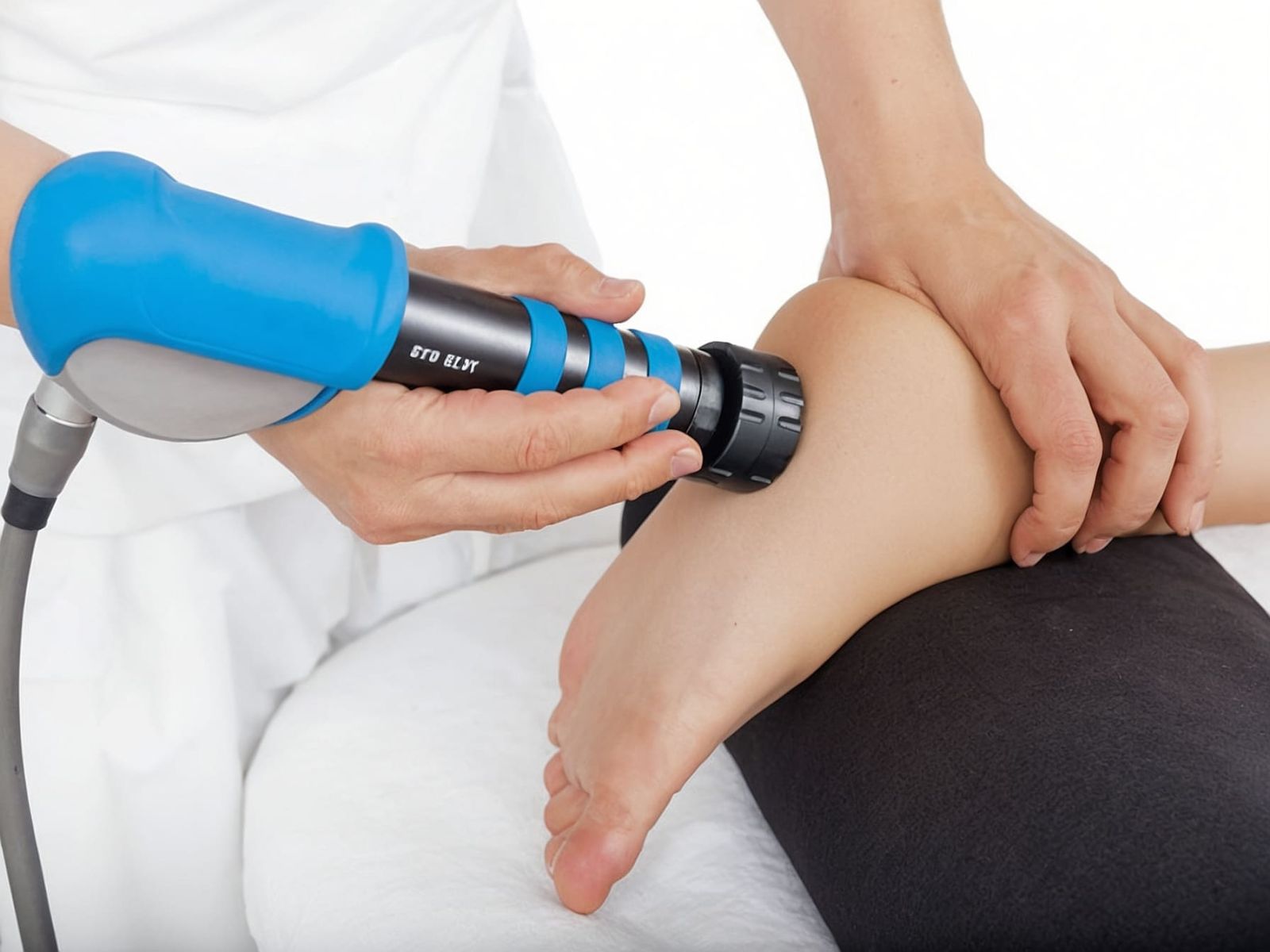
How Does Shockwave Therapy Work?
Shockwave therapy works by directing high-energy sound waves to a specific area of the body. The process begins with the use of a device that generates these sound waves. As the waves penetrate through the skin and muscles, they create microscopic damage in the tissues. This damage triggers the body to initiate a healing process that includes increased blood circulation, the release of growth factors, and tissue regeneration.
This process is effective for treating various musculoskeletal issues as it encourages the body to heal itself. By improving blood flow and releasing growth factors, pain can be reduced, and healing can be accelerated. This is why shockwave therapy has become a popular treatment method in orthopedics and physiotherapy.
Benefits of Shockwave Therapy
Shockwave therapy offers several advantages that have made it a preferred treatment option. Here are some key benefits:
- Non-invasive: The therapy does not require surgical intervention, reducing the risk of infections and long recovery periods. This means that patients do not need extended rest or sick leave after therapy.
- Short Recovery Time: Most patients can return to normal activities immediately after therapy. This is particularly important for individuals who cannot afford long absences from work or social activities.
- Effectiveness: The therapy has proven successful in treating various conditions such as plantar fasciitis, calcific shoulder tendinitis, and tennis elbow. Studies show that shockwave therapy can reduce pain and improve the function of affected areas.
- Minimal Side Effects: Most patients experience only mild discomfort or bruising at the treatment site, meaning the risk of serious complications is low.
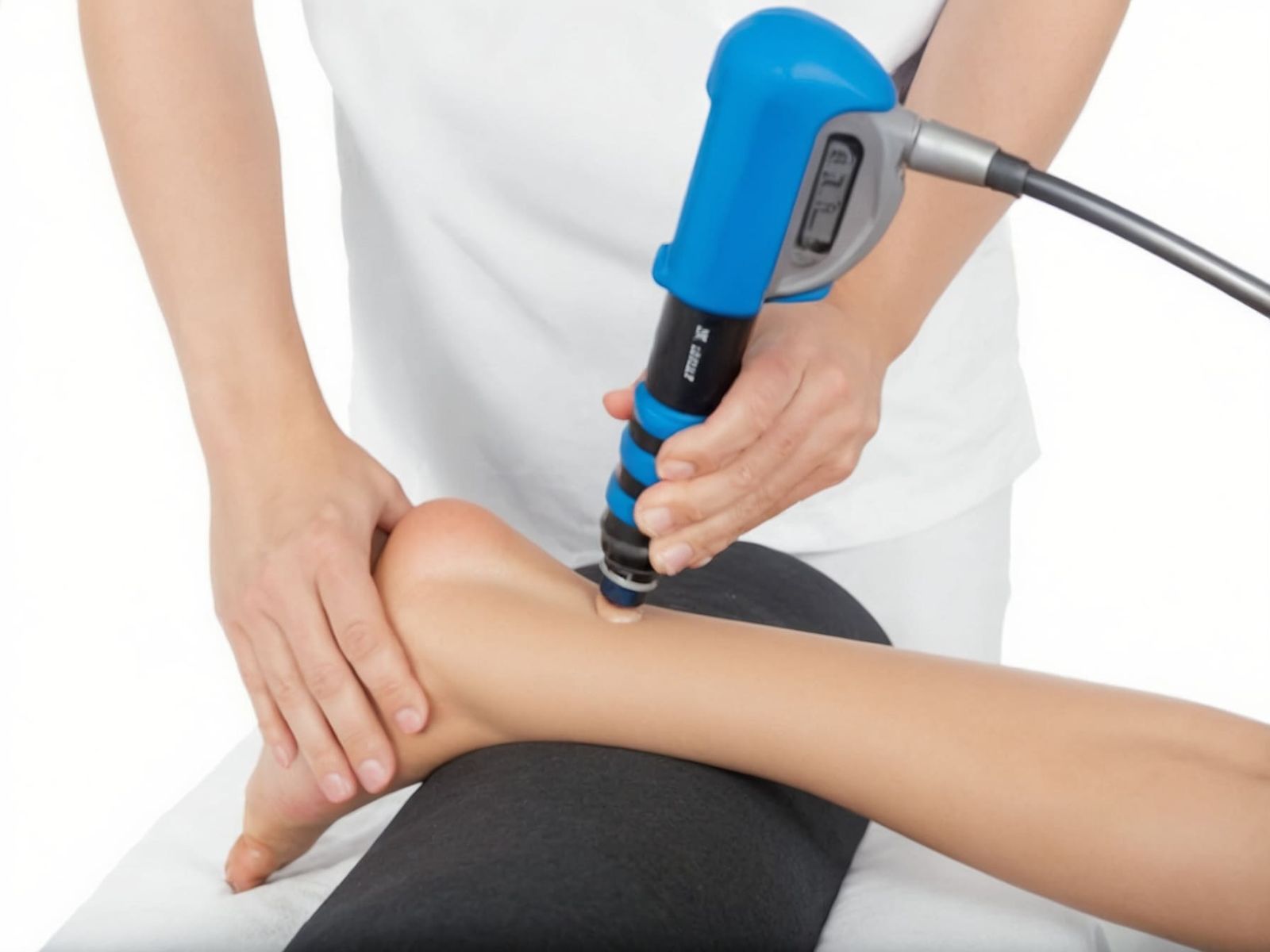
Shockwave therapy has become a popular choice for treating various musculoskeletal conditions due to these advantages. Its non-invasive nature and short recovery times make it appealing to both patients and healthcare professionals.
Contraindications for Shockwave Therapy
Although shockwave therapy is non-invasive and relatively safe, there are specific contraindications that may limit its use. It is important to understand who is not a suitable candidate for this therapy and to consider precautions when using shockwave therapy.
- Pregnancy: One of the main contraindications for shockwave therapy is pregnancy. Sound waves may affect the developing child, so it is best to avoid the therapy if the patient is pregnant or planning to conceive.
- Bleeding and Blood Clotting Disorders: Patients with bleeding disorders or those taking anticoagulant medications are not suitable candidates for this therapy. Shockwaves can cause minor bleeding or bruising, which could lead to complications in these patients.
- Presence of Implanted Medical Devices: Patients with implanted medical devices such as pacemakers or prostheses should avoid shockwave therapy. The sound waves can interfere with the function of these devices or cause damage.
- Acute Inflammation and Infections: If a patient has acute inflammation or an infection in the area to be treated, shockwave therapy should be avoided as it may worsen the condition or spread the infection.
- Tumors and Cancerous Changes: Patients with diagnosed cancer or tumor changes should exercise caution when considering shockwave therapy. The therapy may accelerate tumor growth or cause other adverse effects, making consultation with a specialist essential.
- Neuropathies and Sensitivity Issues: Individuals with neuropathies or other neurological conditions affecting sensitivity or nerve functions should consult a doctor before opting for shockwave therapy. The waves may irritate nerves and worsen the condition.

If you are considering shockwave therapy, consult your doctor or physiotherapist to assess whether it is suitable for your condition.