

Kinesiology
Practical tips for better posture
Poor posture not only affects our appearance but also has serious consequences for our overall health and well-being. In today's fast-paced life, where we spend most of our time sitting, maintaining optimal posture is becoming increasingly difficult. Many people are unaware of how significantly this can impact their lives until they face issues. However, it's never too late to improve your posture. While it's true that postural issues are easier and quicker to address when tackled earlier, significant improvements can be achieved at any age. With dedication and the right exercises, you can strengthen weakened muscles, improve alignment, and reduce discomfort.
What is posture?
Posture, which involves the correct positioning of different body parts while sitting, standing, or moving, is essential for maintaining overall health. Proper spinal alignment, where the head, shoulders, and hips are aligned, is not only aesthetically pleasing but also has numerous positive effects on our bodies. Correct posture not only supports body weight but also reduces strain on muscles, ligaments, and joints, which can help prevent long-term pain and discomfort. Additionally, it allows for optimal organ function, promotes balanced muscle development, and ensures smooth breathing.
On the other hand, poor posture, which involves slouching, misalignment, and imbalance, can lead to various health issues over time. Back pain, muscle tension, and reduced lung capacity are just some of the possible negative outcomes. Therefore, it is crucial to be aware of your posture daily and strive to maintain a proper body position. This can be achieved through regular muscle-strengthening exercises, monitoring posture during daily activities, and creating awareness about the importance of maintaining good posture for long-term well-being.
Practical tips for improving posture
Sometimes, a few simple and practical tips can significantly improve your posture. Some of these suggestions are easy to implement and can be effortlessly incorporated into your existing lifestyle.
Body awareness
Body awareness is an important part of establishing and maintaining proper posture. It means being mindful of the position of your body in different situations, whether sitting at a desk, standing in line, or walking down the street. When we are aware of our body, we become able to recognize any posture irregularities that may eventually lead to spinal issues. When sitting, it’s essential to notice whether you maintain the natural curve in your lower back, keep your shoulders relaxed, and have your feet flat on the ground. When standing, your posture should be upright, with relaxed shoulders and a natural spinal position. When walking, pay attention to your balance and steps. Each step should be conscious and not forceful. Body awareness also includes noticing if you are slouching or leaning when using mobile devices or working on a computer. We often unconsciously adopt poor positions, leading to back and neck pain and other spinal problems.
Pay attention to ergonomics
Ergonomic equipment plays a key role in maintaining healthy posture and preventing unnecessary stress on the spine and joints. Modifying the environment in which we work or sit can have long-term benefits for our physical health. Here are some aspects to consider when using ergonomic equipment:
- Ergonomic chairs: using an ergonomically designed chair can support the natural curve of the spine. Such chairs often have adjustable features like chair height, backrest tilt, lumbar support, and a comfortable cushioned seat. With proper adjustments, they reduce spinal pressure and prevent poor posture.
- Ergonomic desks: desks tailored to individual needs are crucial for maintaining healthy posture. Height-adjustable desks allow you to set the working surface at eye level, reducing the tendency to slouch or raise your head, which can lead to neck and shoulder strain.
- Ergonomic cushions and support equipment: accessories such as ergonomic seating cushions or back support equipment can further improve posture. Cushions with contoured shapes can relieve pressure on the spine and buttocks and encourage correct sitting posture.
- Adjustable keyboards and mice: when working at a computer, adjustable keyboards and mice, which allow various settings, are essential. They enable comfortable hand positioning and reduce strain on the hands and wrists.
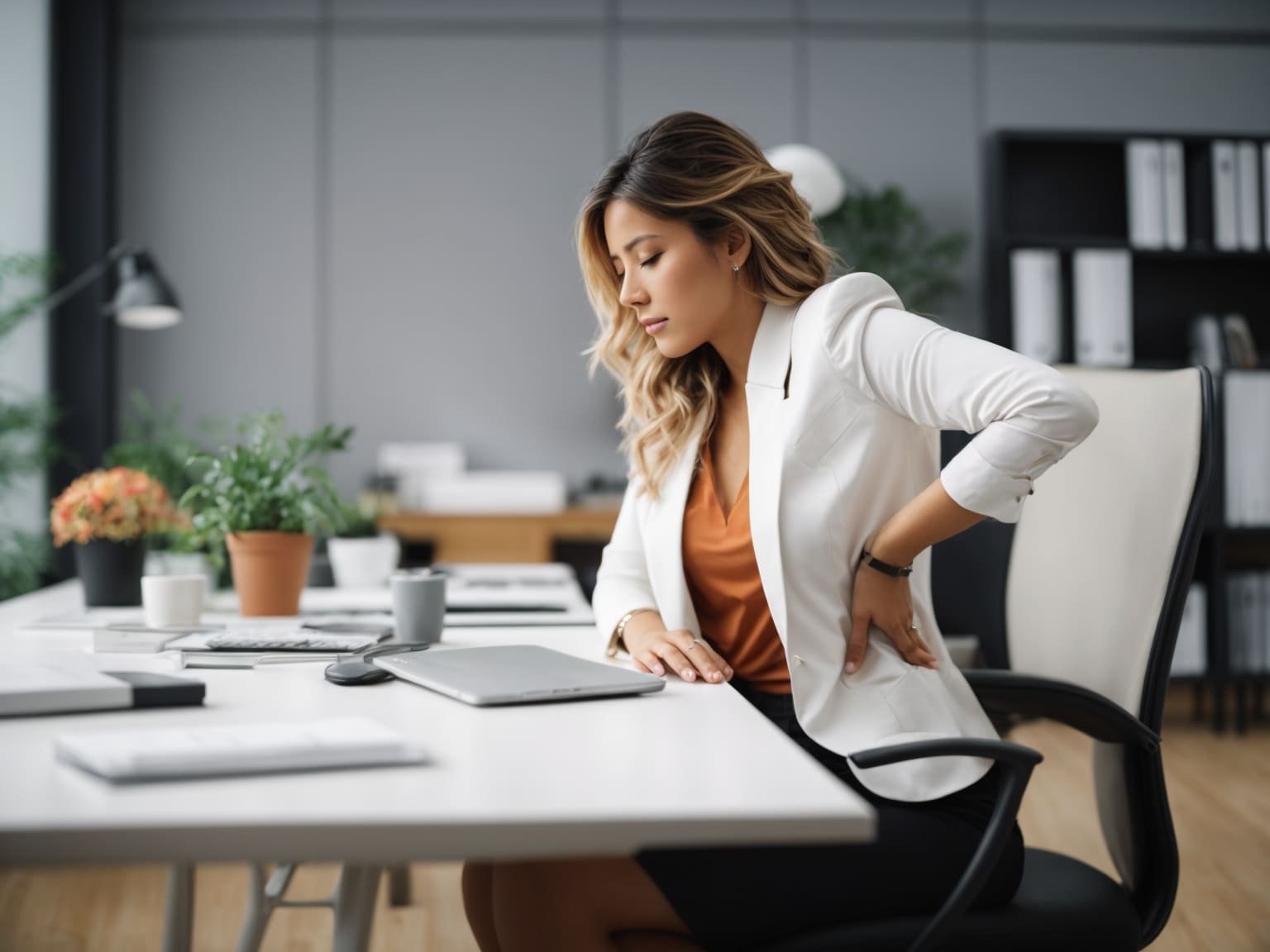
For optimal results, it is important to adjust ergonomic equipment correctly according to your needs and body characteristics. It is also advisable to regularly change positions during work and stand up and stretch to prevent muscle tension and keep the spine active. Ergonomic equipment is not just an investment in the work environment, but also in the long-term health of your spine.
Regular standing
Regular standing during prolonged sitting is crucial for maintaining spinal flexibility and preventing potential issues with muscle stiffness. Sitting for long periods at a desk can cause muscles to become tense, particularly in the back, neck, and shoulders. Below are some reasons why regular standing is important and how it can contribute to maintaining good posture.
- Relieving muscle tension: standing up and moving every few hours allows muscles to relax and stretch. This is especially important for back muscles, which can become tense due to prolonged static positions.
- Preventing spinal stiffness: when we stay in the same position for too long, the spine can gradually become fixed in one posture, leading to stiffness. Regular standing and performing light stretching exercises help maintain spinal mobility and prevent stiffness.
- Improving circulation: movement promotes better blood circulation, which helps supply muscles with oxygen and nutrients. This can reduce muscle fatigue and improve their function.
- Maintaining flexibility and mobility: regular standing helps preserve joint and muscle flexibility, preventing loss of mobility. This is essential for maintaining a range of motion in the spine.
It is recommended to perform a few simple stretches or take a walk around the room each time you stand up. Exercises such as body tilts, torso rotations, or gentle neck stretches can help relieve tension and maintain spinal flexibility. By adopting these simple habits, you can achieve greater comfort while sitting and reduce the risk of spinal issues in the future.
Proper lifting techniques
Proper lifting techniques are crucial for maintaining spinal health and preventing injuries. Careless lifting of heavy objects can cause muscle strain, stress on the spine, and other joint problems. To reduce the risk of injury and maintain good posture, follow these guidelines when lifting:
- Bend at the knees: before lifting an object, make sure your knees are bent rather than bending at the waist. This reduces the strain on your lower back and prevents unnecessary tension in the lumbar region.
- Hold the object close to your body: keep the object as close to your body as possible during lifting. This reduces strain on the spine by evenly distributing the weight across your body.
- Maintain a straight spine: while lifting, focus on maintaining the natural curve of your spine. Avoid bending forward or backward; instead, keep your spine as straight as possible.
- Use your legs' strength: when lifting, direct your strength from your legs. Try to use your thigh and glute muscles for lifting rather than straining your back.
- Avoid twisting your torso: when lifting, avoid twisting your torso. Turn with your whole body if you need to move the object in another direction, instead of rotating just your upper back.
- Conscious breathing: Remember to breathe while lifting. Deep breathing helps stabilize the torso and reduce stress on the spine.
- Limit the weight of the load: If the object is too heavy or large, don’t hesitate to ask for help. Lifting an object that’s too heavy can increase the risk of spinal injury.
Proper lifting techniques are not only essential for maintaining good posture but also for preventing sudden injuries. By using the correct lifting techniques, you’ll reduce the risk of back pain and other spinal issues, allowing you to safely and effectively carry out daily tasks.
Regular strength and stretching exercises
Regular strength and stretching exercises play a key role in maintaining spinal health, joint mobility, and preventing pain and posture-related problems. Exercises targeting the muscles of the back, abdomen, hips, and legs can help improve core stability and maintain proper weight distribution throughout the body. Here are some key points about why regular exercise is essential for spinal health:
- Strengthening back and abdominal muscles: exercises aimed at strengthening the back and abdominal muscles help support the spine and prevent unnecessary strain. Strong muscles in these areas act like a natural brace, maintaining proper posture and preventing excessive spinal sway.
- Core stabilization: core stabilization exercises, such as planks and leg raises, contribute to improved back stability. This is crucial for maintaining balance and preventing excessive spinal sway, which can lead to pain.
- Stretching muscles: stretching is just as important as strengthening. Regular stretching exercises increase joint mobility, reduce muscle tension, and prevent stiffness and spinal rigidity. Stretching can also improve posture and reduce the risk of injury.
- Improving mobility: dynamic exercises involving movement, such as torso rotations and hip raises, help improve overall spinal mobility. A flexible spine is more resilient to everyday stress and provides greater comfort during movement.
- Preventing back pain: regular strength and stretching exercises are an excellent way to prevent back pain. Well-maintained and strong muscles, along with a flexible spine, reduce the risk of chronic pain and discomfort.
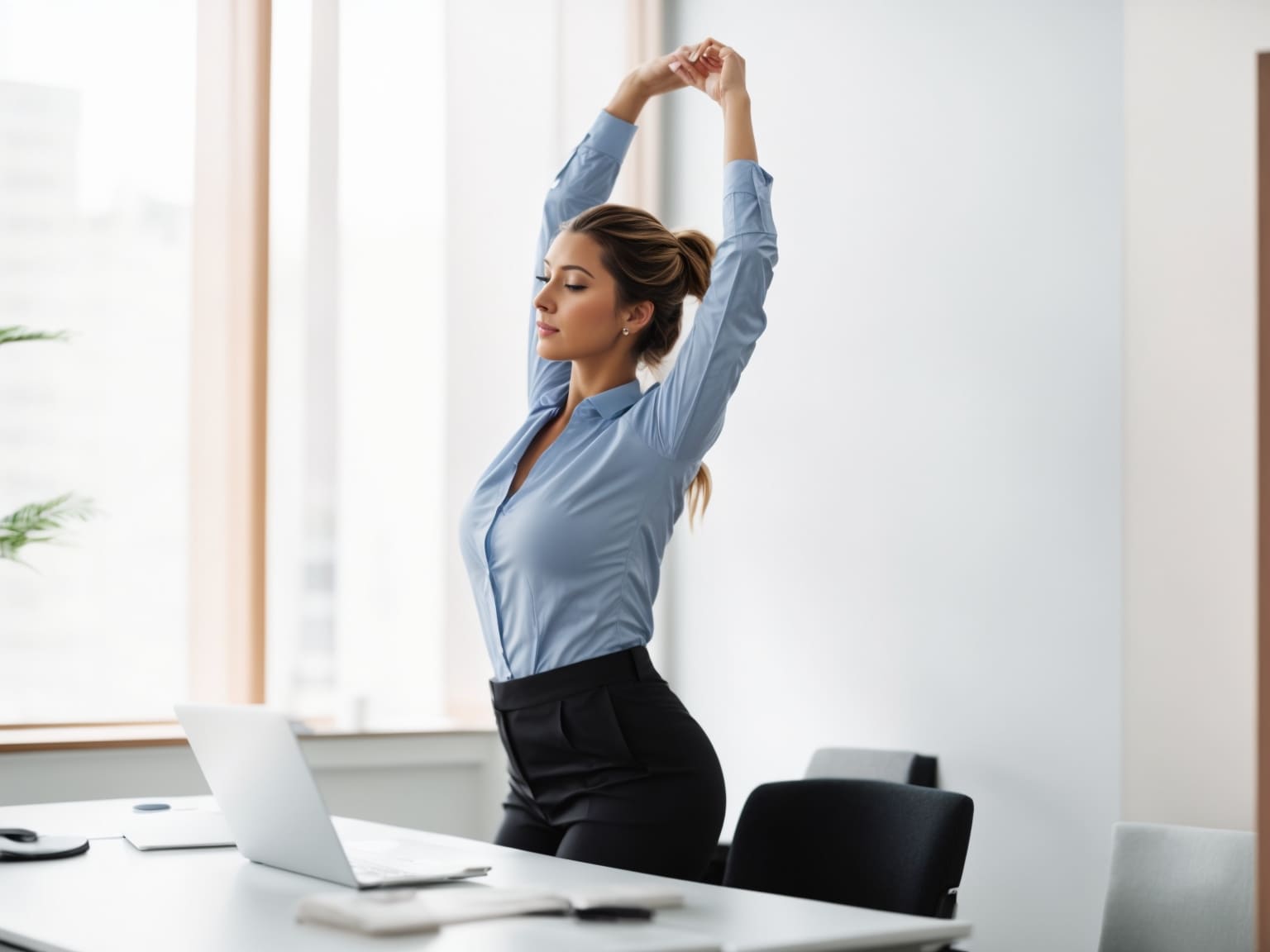
It is recommended to incorporate strength and stretching exercises into your daily routine. This not only benefits spinal health but also contributes to overall physical well-being. We advise you to consult a specialist before starting any new exercise or workout program, especially if you have any pre-existing health conditions or back pain.