

Physiotherapy
What is Joint Mobilization?
Joint mobilization is a therapeutic technique used to improve joint mobility and reduce pain. It is one of the fundamental techniques in physiotherapy and manual therapy, commonly employed in the treatment of various musculoskeletal issues. This method involves passive, rhythmic joint movements performed by a skilled therapist, designed to enhance joint mobility, alleviate pain, and promote the regeneration of damaged tissues.
What Are Joints?
Joints are complex structures in the body where two or more bones meet, allowing movement. Without joints, our skeleton would be a rigid framework with no ability to move. Joints are not merely simple connections but consist of several components working together to provide stability and movement. Each joint contains:
- Bones: These form the basic structure of the joint. Bones are solid and bear the body's weight.
- Cartilage: A smooth, flexible tissue layer that covers the ends of bones within the joint. Cartilage acts as a cushion and reduces friction between the bones during movement.
- Joint Capsule: A tough, fibrous membrane that encloses the joint and protects it. The joint capsule contains synovial fluid, which lubricates the joint and reduces friction.
- Ligaments: Strong bands that connect bones and stabilize the joint. Ligaments prevent excessive movement and injuries.
- Muscles and Tendons: Muscles attach to bones through tendons and enable joint movement by contracting and relaxing.
Why Does Mobility Become Limited?
Joint mobility limitations are a common phenomenon that can affect individuals of all ages. The reasons for limited mobility are numerous and may include the following factors:
- Injuries: Sudden injuries such as fractures, dislocations, or sprains can cause swelling, pain, and limited mobility. Injuries often require time to heal, temporarily restricting movement.
- Inflammation: Conditions such as bursitis, tendinitis, or arthritis can cause pain and stiffness. Inflammation is a defensive response of the body but can also damage tissues and reduce mobility.
- Degenerative Diseases: These cause gradual cartilage wear, leading to pain and limited mobility. Osteoarthritis is common in older adults and results from the natural aging of joints.
- Prolonged Inactivity: Can lead to muscle weakness and joint stiffness. Inactivity may also result in connective tissue buildup and reduced elasticity of muscles and ligaments.
- Poor Posture: For example, sitting at a computer for extended periods or sleeping in improper positions can strain specific joints and muscles. This can lead to pain and reduced mobility.
How Does Joint Mobilization Work?
Joint mobilization is a therapeutic technique involving controlled, passive joint movements. Therapists use various techniques to improve mobility and reduce pain in joints.
- Rolling: Movement of joint surfaces where a new point on the moving joint surface contacts a new point on the opposing joint surface. Isolated rolling may cause compression on one side of the joint and excessive spacing on the opposite side. Therefore, in normally functioning joints, rolling is always combined with gliding to maintain joint stability.
- Gliding: Occurs when the same point on the moving joint surface contacts a new point on the opposing joint surface. For pure gliding, joint surfaces would need to be flat or perfectly congruent. In practice, pure gliding does not occur during active movement, as it is always combined with other movements.
- Spinning: A movement where the moving joint surface rotates on the other along a longitudinal axis. This is typical for joints such as the hip, where the femoral head rotates within the acetabulum.
- Compression: A process where joint surfaces come closer together. This often occurs during joint stabilization, but excessive compression can cause pain and tissue damage.
- Traction: A technique where the therapist gently separates the joint surfaces, creating a gap or distance between them. Traction reduces joint pressure, improves circulation, and helps relax tight muscles and ligaments.

Joint mobilization is an effective method for managing pain, improving mobility, and restoring joint function. However, it is important that it is performed under the supervision of a qualified therapist.
Benefits of Joint Mobilization
Joint mobilization is a therapeutic technique that offers numerous benefits for improving joint health and functionality. Here are some of the benefits of this method:
- Improved Mobility: One of the main benefits of joint mobilization is improved joint mobility. Gradual stretching of the joint capsule and surrounding tissues increases the range of motion, allowing for better functionality in daily tasks. With greater mobility, individuals can perform everyday movements more easily. Additionally, enhanced mobility can help prevent the development of compensatory movement patterns, which could lead to further issues or injuries.
- Pain Reduction: Joint mobilization can help reduce pain by promoting muscle relaxation and reducing tension in the joints. Mobilization techniques decrease pressure on joint structures, which can alleviate pain associated with muscle tension, inflammation, or restricted mobility. Furthermore, mobilization can relieve nerve pressure, contributing to additional pain reduction. Improved blood flow to the joints and surrounding tissues helps speed up the removal of inflammatory substances and promotes faster regeneration.
- Promotes Tissue Regeneration: With improved blood flow and an increased range of motion, the conditions for regenerating damaged tissues also improve. This is especially important during rehabilitation after injuries or surgeries, where the goal is to restore normal joint function. Joint mobilization enhances blood and lymph circulation, which supports the supply of nutrients and oxygen to tissues and the removal of metabolic waste products.
- Increased Functional Capacity: By improving mobility and reducing pain, joint mobilization enables individuals to return more easily to their daily activities and improve their overall quality of life. Greater functional capacity means that individuals can engage in physical activities without difficulty and enjoy a more active lifestyle. Additionally, increased functionality can contribute to better balance and a reduced risk of falls, which is especially important for older individuals.

Joint mobilization is more than just a technique for pain relief; it is a holistic approach to improving physical functionality and overall health. Regular application of this technique can contribute to maintaining healthy movement in the long term and preventing degenerative changes in the joints.
When Is Joint Mobilization Appropriate?
Joint mobilization is an effective therapeutic technique used in the treatment and rehabilitation of numerous musculoskeletal conditions. It is suitable for various conditions affecting the joints and surrounding tissues and offers benefits such as pain relief, improved mobility, and increased functionality. Here are some specific conditions where joint mobilization is particularly beneficial:
- Osteoarthritis: A degenerative joint disease that causes cartilage wear and changes in joint structures. This condition often leads to pain, stiffness, and reduced joint mobility. Joint mobilization can be helpful in reducing pain and improving mobility in osteoarthritis. The mobilization technique reduces friction between joint surfaces, improves circulation, and promotes muscle relaxation, helping to alleviate symptoms.
- Joint Injuries: Joint mobilization is often included in the rehabilitation process following joint injuries. Injuries can cause inflammation, pain, and limited mobility, affecting the joint's normal function. Mobilization helps restore normal movement gradually, alleviate pain, and prevent stiffness in the joint. A therapist can carefully select mobilization techniques to restore joint functionality and reduce the risk of long-term issues.
- Joint Surgeries: After surgical procedures or other orthopedic interventions, joint mobilization is an important part of rehabilitation. Post-surgery, limited mobility, pain, and the risk of scar tissue formation, which can restrict movement, are common. Joint mobilization promotes healing, prevents scar tissue formation, and restores normal joint function. This helps patients return to their daily activities more quickly.
- Chronic Pain: Often caused by long-term musculoskeletal problems such as degenerative changes, postural abnormalities, or overuse. Joint mobilization is an effective technique for reducing chronic pain and improving functionality. Mobilization reduces muscle tension, improves circulation, and increases mobility, which helps alleviate chronic pain symptoms. Additionally, regular joint mobilization can prevent recurrences and enhance overall functional capacity.
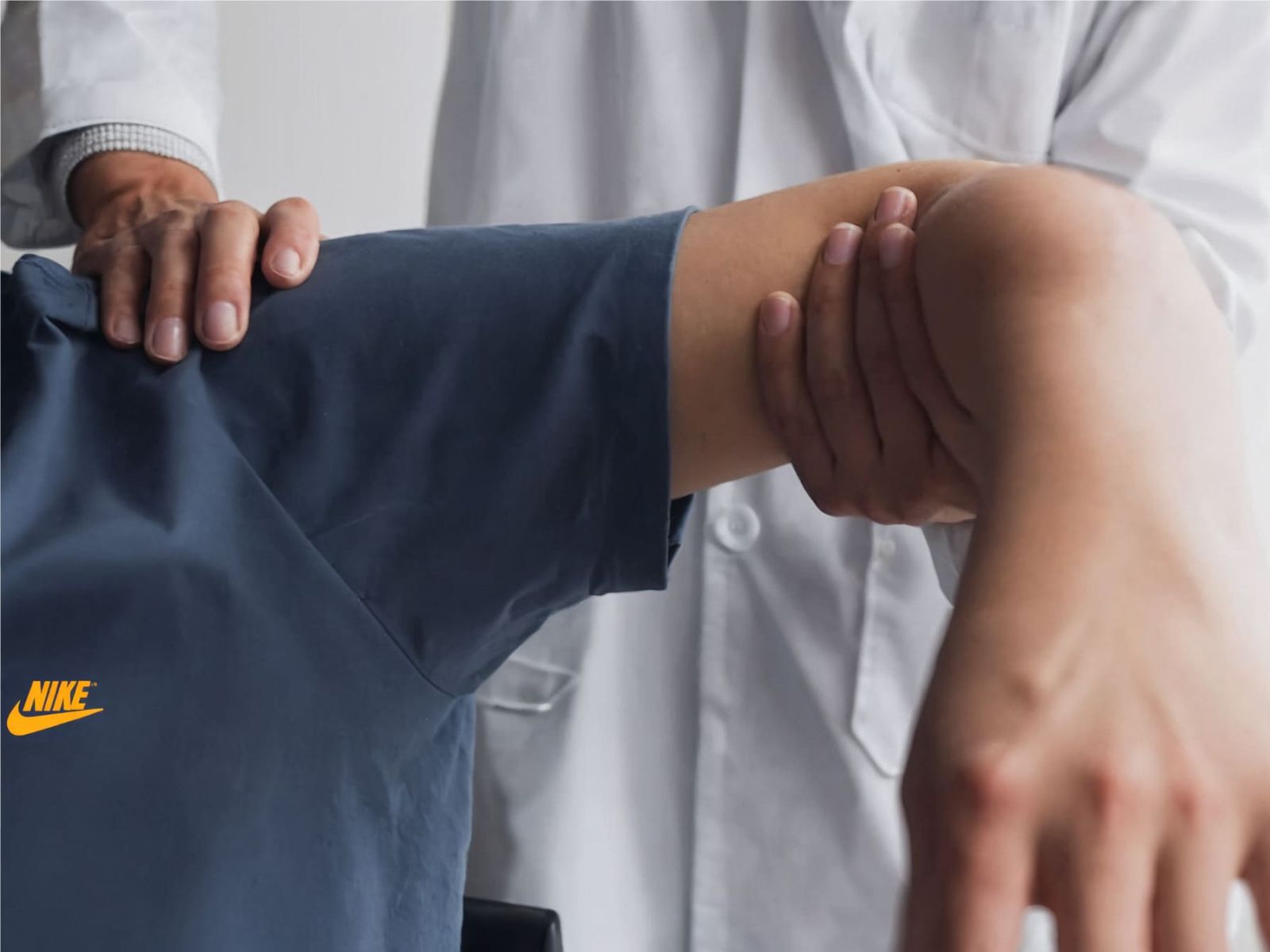
Joint mobilization is thus a versatile technique that can significantly improve health and quality of life in numerous musculoskeletal conditions. It is essential that it is performed under the supervision of a qualified therapist who can tailor the techniques to the specific needs and condition of the patient.
Risks and Precautions in Joint Mobilization
Joint mobilization is widely recognized as a safe and effective therapeutic technique that offers numerous benefits for mobility and pain relief. However, like any therapeutic intervention, there are certain risks and precautions that need to be considered to ensure the safety and effectiveness of the therapy.
- Performed by a Qualified Therapist: It is crucial that joint mobilization is carried out by a qualified therapist, such as a physiotherapist or manual therapist, who has expertise in the anatomy and biomechanics of joints. Incorrect execution of mobilization techniques, especially with excessive force or improper angles, can lead to additional tissue damage, worsening of symptoms, or even permanent joint injury. A qualified therapist will adjust the technique to the patient’s specific condition and range of joint motion, minimizing the risk of adverse effects.
- Special Precautions for Certain Health Conditions: For patients with osteoporosis, gentle mobilization techniques should be used as excessive force may increase the risk of fractures or other bone injuries. In cases of rheumatoid arthritis, care must be taken when mobilizing inflamed joints. Gentle mobilization can help reduce stiffness and pain, but excessive mobilization may worsen inflammation or damage joint structures. In acute injuries, such as recent fractures, dislocations, or soft tissue injuries, joint mobilization is usually contraindicated until the acute phase subsides. For patients with unstable joints, such as those with chronic dislocations or weakened ligaments, caution is necessary. Mobilization may increase the risk of further instability, so gentle techniques should be used, and overextension avoided.
- Monitoring and Evaluation: During joint mobilization, close monitoring of the patient’s response is crucial. The therapist should be attentive to any increase in pain, discomfort, or other adverse reactions. In case of a negative response, the therapy must be immediately adjusted or discontinued. Additionally, the therapist should regularly assess the condition of the joint and the overall musculoskeletal system to ensure that the mobilization achieves the desired effect without risking further injury.
- Individualized Therapy: Every patient is unique, and the therapy should be tailored to their individual needs and condition. This includes selecting appropriate techniques, determining the intensity and duration of mobilization, and considering the patient’s personal goals and health status. This approach minimizes risks and maximizes the benefits of joint mobilization.

Although joint mobilization can be a highly beneficial therapeutic technique, it is crucial to consider the risks and implement precautionary measures. A qualified therapist will be able to assess and adjust the therapy to ensure safe and effective treatment, which is essential for achieving optimal results and ensuring patient safety.