Dry Needling
What is Dry Needling?
Dry Needling is a physiotherapy technique used to treat pain and various muscle dysfunctions. This method involves the use of thin needles inserted into trigger points or tense muscle knots. Dry Needling has gained popularity worldwide due to its effectiveness in relieving pain, improving mobility, and promoting the body's natural healing processes. Although the technique is similar to acupuncture, Dry Needling focuses exclusively on the treatment of muscle problems and is closely integrated into modern physiotherapy approaches.
History and Development of the Method in Physiotherapy
Dry needling has its roots in traditional Chinese medicine but has been adapted and modernized for use in physiotherapy. The method gained popularity around the 1980s when Dr. Janet Travell and Dr. David Simons discovered in their research on trigger points how dry needling can effectively reduce localized muscle tension and pain. Since then, physiotherapists worldwide have started integrating this technique into their practice, recognizing its potential for addressing a wide range of musculoskeletal issues. In physiotherapy, dry needling is used as part of a holistic treatment approach, which may also include manual therapy, therapeutic exercises, and other rehabilitation methods. With dry needling, physiotherapists target specific trigger points in the body, which can lead to faster release of tense muscle knots and improved functionality. The method is popular due to its rapid pain relief, allowing patients to return to their daily activities more quickly. Moreover, the understanding and technique of dry needling continue to advance as the physiotherapy community constantly seeks new and better ways to integrate this method into practice.
How Does Dry Needling Work?
Dry needling is a procedure in which the physiotherapist uses specially designed thin needles inserted directly into muscular trigger points. Trigger points are small knots or tight bands in the muscles that can cause pain and dysfunction in the body. The goal of dry needling is to release these points, leading to pain reduction and improved muscle function.
- Physiological Effects: When the needle penetrates the trigger point, several physiological responses can occur. First, a local "twitch response," which is a quick contraction of muscle fibers in response to the stimulation. This response helps release tension and improve blood flow in the area. Second, needling stimulates the body to release natural painkillers, such as endorphins, which help reduce the sensation of pain. The needling process also causes slight trauma to the tissue, signaling the body to initiate local and systemic healing processes. This "micro-trauma" promotes the renewal and regeneration of muscle fibers and increases the flow of nutrients and oxygen to the treated area.
- Neuromuscular Responses: Dry needling can enhance neuromuscular function by stimulating nerve receptors and improving neuromuscular communication. This process helps "reset" muscle tension and dysfunction, which are often the root causes of pain and limited movement.
- Inflammation Reduction: Needling can help reduce inflammation by decreasing cytokines, which are inflammatory mediators. This aids in healing and the faster recovery of damaged tissues. This effect is particularly beneficial in acute and chronic conditions where inflammation plays a key role in maintaining the pain cycle.
- Psychological Effects: In addition to physical effects, dry needling can also help reduce psychological stress and anxiety, which are often associated with chronic pain. The relaxation of muscle tension can improve overall well-being and reduce the sensation of pain. Psychological effects result from both pain relief and improved physical function, enabling patients to feel more confident and less restricted by their physical conditions.
- Integration with Other Treatment Methods: Dry needling is often used in combination with other physiotherapy techniques, such as manual therapy, strength and mobility exercises, and other methods for managing and reducing pain.
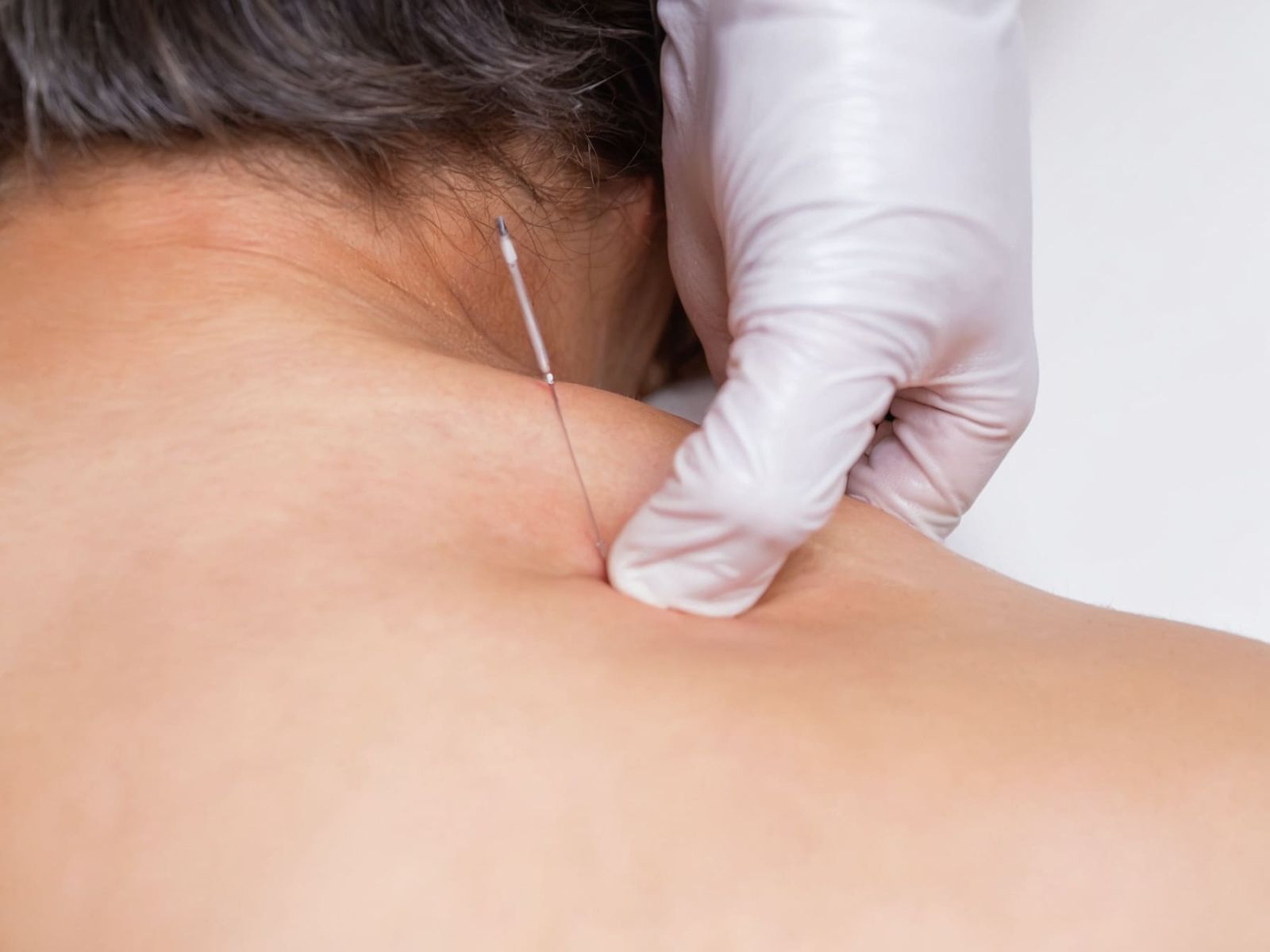
This detailed understanding of the mechanisms of dry needling highlights its value as one of the important physiotherapy techniques that can assist with a wide range of conditions, from acute injuries to long-term chronic illnesses.
Differences Between Dry Needling and Acupuncture
Dry needling and acupuncture are two distinct methods often used in physiotherapy for different purposes, even though both involve the use of needles. The fundamental differences between them stem from their theoretical foundations, needling techniques, and treatment goals.
- Technical Differences: In physiotherapy, dry needling is performed with a medically grounded approach, where needles are inserted directly into trigger points to release muscle tension. The technique is highly specific, targeting anatomically defined points that are often associated with pain or muscle dysfunction. Acupuncture, on the other hand, uses needles at specific "acupuncture points" across the body, which are part of a broader meridian system believed to regulate the flow of life energy, Qi.
- Philosophical Approach: Dry needling in physiotherapy focuses primarily on pain relief and improving muscle function without emphasizing energy theories. This approach is supported by scientific findings that explain the physiological effects of needling, such as improved blood circulation, release of muscle knots, and reduction of inflammation. In contrast, acupuncture is based on a holistic philosophy aimed at restoring balance in the body and mind and is less focused on specific physiological processes.
- Methodological Differences: The methods of needle insertion and application techniques also differ. Dry needling typically requires precise anatomical knowledge, as the therapist must accurately locate the muscular trigger points. Acupuncturists, however, focus on meridians that do not necessarily follow anatomical guidelines familiar to Western medicine. In acupuncture, needles are sometimes inserted more superficially and remain in the body longer than in dry needling.
- Results and Expectations: Patients treated with dry needling can expect rapid results, particularly in pain relief and improved muscle function. The effects of acupuncture may be more subtle and long-lasting, as it is aimed at overall well-being rather than specific symptom relief.
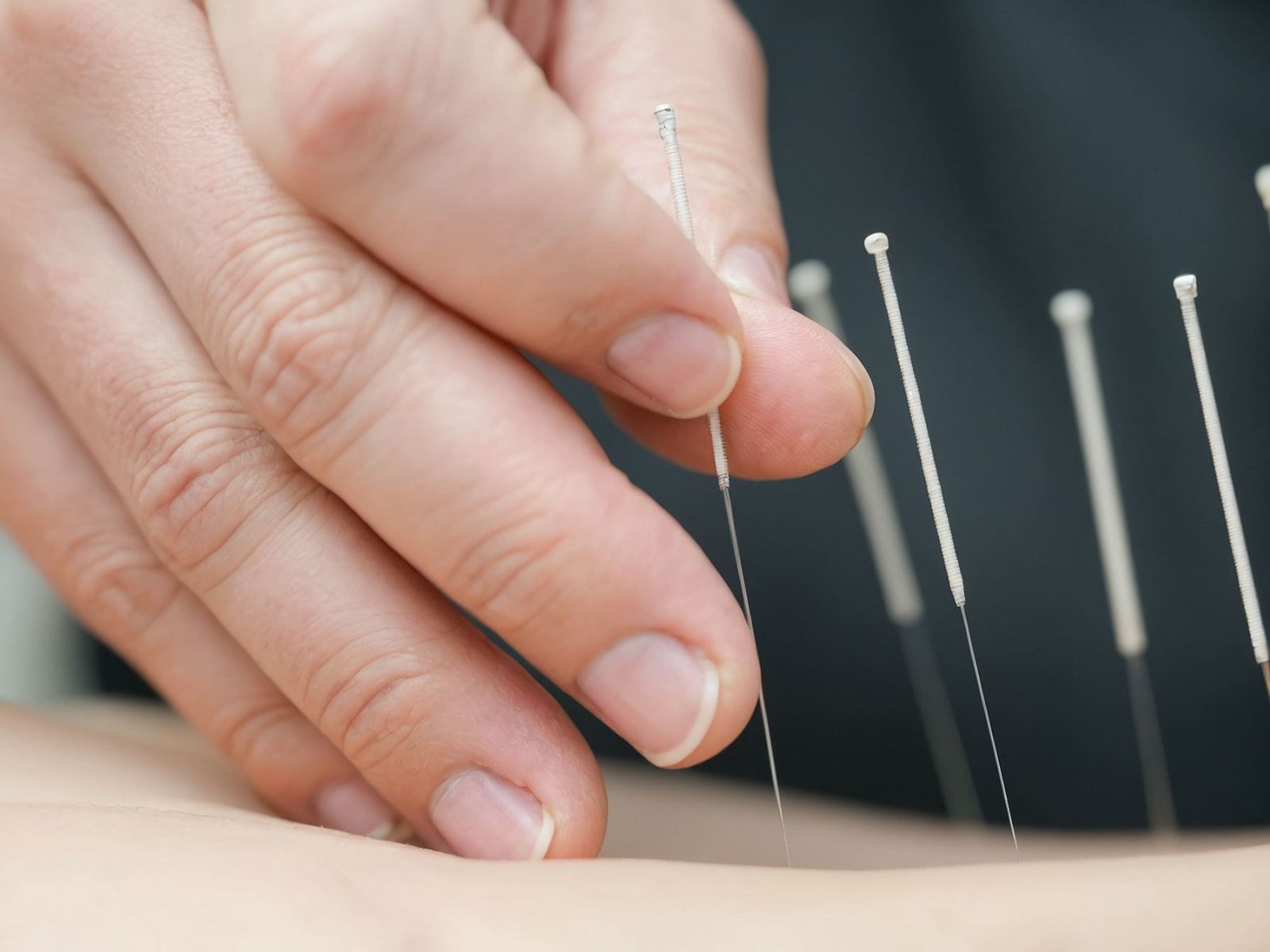
These differences highlight the importance of understanding the goals and expectations when choosing between dry needling and acupuncture, especially in the context of physiotherapy treatments. Both methods have their place in modern therapeutic practice, and the choice depends on the specific needs and goals of the individual patient.
Benefits of Dry Needling
Dry needling has established itself in physiotherapy as an effective tool for addressing a wide range of issues, including both acute injuries and chronic conditions. Due to its ability to provide relief on multiple levels, it has become an indispensable part of many physiotherapists' practices.
- Rapid Pain Relief: The most immediate benefit of dry needling is its ability to quickly alleviate pain. Inserting needles into trigger points enables almost instant muscle relaxation, leading to pain reduction. This is especially important for patients suffering from acute injuries or post-surgical conditions, as faster pain relief can significantly aid their recovery and return to daily activities.
- Improved Function and Mobility: Dry needling enhances muscle function and mobility by directly targeting muscular trigger points that may hinder normal movement. Releasing these points improves blood circulation and allows for better movement patterns, which is crucial for successful rehabilitation. This treatment is particularly beneficial for athletes and individuals exposed to repetitive stress due to the nature of their work or daily activities.
- Reduction of Muscle Tension: Dry needling is highly effective in reducing localized muscle tension, which is especially important in treating muscular imbalances and overuse syndromes. The ability to precisely target affected areas allows physiotherapists to tailor treatment to the specific needs of the patient, leading to better and faster results.
- Support in Treatment and Rehabilitation: As part of a holistic approach, dry needling enables physiotherapists to integrate various treatment methods, such as manual therapy, therapeutic exercises, and other pain management techniques. This integration enhances the overall effectiveness of treatment by addressing not only symptoms but also the underlying causes of pain and dysfunction.
- Preventive Effects: Regular use of dry needling can serve as a preventive technique for maintaining muscle health and preventing injuries, particularly among athletes. It is also beneficial for individuals performing physically demanding work, as it can reduce the risk of developing chronic musculoskeletal issues. Injury prevention means fewer absences from work and better overall health, resulting in long-term positive outcomes for individuals and communities alike.
- Improvement in General Well-Being: In addition to specific therapeutic effects, dry needling often contributes to improved general psychophysical well-being. The relaxation of muscle tension and reduction of pain can lead to better sleep, reduced stress, and increased energy, positively impacting patients' daily functionality and quality of life.

Frequently Asked Questions About Dry Needling in Physiotherapy
Is Dry Needling painful?
Most patients experience minimal discomfort during dry needling. Sensations can range from a slight tingling to a brief local "twitch" response, which indicates the release of a trigger point. Some patients report a feeling of pressure or a "strange" sensation when the needle reaches the trigger point, but these sensations are typically short-lived. The intensity of the sensations may vary depending on the specific treatment area and the individual's sensitivity. Physiotherapists are trained to perform the procedure as comfortably as possible, minimizing discomfort for the patient.
How long does a dry needling treatment take?
The duration of a dry needling session can vary depending on the scope and complexity of the issue. Typically, treatments last between 15 and 30 minutes. The session time includes not only the needle insertion but also preparation and rest after the procedure. In some cases, where multiple areas need treatment or for more complex issues, sessions may be extended. Physiotherapists tailor the session length to the individual needs and the patient’s response to the treatment.
How often is dry needling recommended?
The frequency of dry needling depends on several factors, including the nature and severity of the issue and the individual's response to treatment. Some patients may feel relief after just one session, while others may require several weekly sessions for lasting results. In cases of chronic conditions, physiotherapists may recommend regular sessions as part of a long-term plan for managing pain and mobility. The optimal frequency will be adjusted to the individual, their treatment goals, and how quickly their body responds to the therapy.
Are there any long-term side effects of dry needling?
Dry needling is generally a safe method when performed by qualified professionals. Long-term side effects are very rare, if any, when proper procedures and technical guidelines are followed. As with any therapeutic intervention, choosing a qualified therapist and adhering to all recommended treatment protocols is crucial.