

Physiotherapy
Triceps Tendinopathy: Symptoms, Causes, and Treatment
Triceps tendinopathy is a condition that refers to pain and inflammation of the triceps tendon, a muscle located at the back of the upper arm. This condition can affect your quality of life by limiting daily activities such as lifting objects or even getting dressed. Understanding the symptoms, causes, and treatment options is essential for effectively managing this issue.
Anatomy of the Triceps
The triceps muscle is an essential component of the upper arm and plays a key role in many arm movements. This muscle is located on the back of the arm and extends from the shoulder joint to the elbow. The triceps consists of three heads: the long, medial, and lateral heads. Each of these heads has a specific function and origin, but all three are united in a common tendon that attaches to the olecranon of the ulna at the elbow.
- Functions of the Triceps: The primary function of the triceps is elbow extension. Additionally, the triceps contributes to arm adduction, meaning it helps move the arm towards the body. This muscle is also crucial for stabilizing the shoulder joint as it supports the function of other muscles in the shoulder girdle and contributes to the overall stability of the upper body.
- Anatomical Structure and Connections: The tendon of the long head of the triceps brachii originates from the scapula, while the lateral and medial heads originate from the upper part of the humerus. The long head originates from beneath the glenoid cavity of the shoulder, giving it an additional role in shoulder joint stabilization. The medial and lateral heads originate from the posterior part of the humerus and are more active during powerful extension activities. The common tendon of the triceps then attaches to the olecranon of the ulna and the fascia of the forearm.
- Role and Importance in Daily Life: Everyday activities such as pushing, throwing, and lifting rely on the triceps. The triceps is therefore essential for sports activities requiring arm strength and speed, such as tennis, swimming, or baseball. Due to its active role, the triceps is often at risk for developing tendinopathies.

Understanding the anatomy and function of the triceps is crucial for identifying and treating tendinopathy, as well as for structuring appropriate prevention and rehabilitation strategies.
Symptoms of Triceps Tendinopathy
Triceps tendinopathy manifests through various symptoms that can impact an individual's activities. Understanding these symptoms is essential for timely recognition and management of the condition.
- Pain and Discomfort: The most common symptom is pain in the back of the upper arm, near the elbow. Pain usually occurs during activities involving arm extension or flexion and may become more pronounced during heavy physical exertion, such as lifting heavy objects or participating in certain sports. The pain is often described as sharp or burning and can worsen after prolonged periods of inactivity.
- Swelling and Tenderness: In some cases, triceps tendinopathy may also cause swelling around the elbow or on the back of the arm. The affected area may be tender to touch, and redness or warmth over the tendon may also be present.
- Reduced Mobility and Strength: Individuals with triceps tendinopathy may notice reduced mobility in the elbow, accompanied by a decrease in strength during pushing movements or lifting objects.
- Crepitus: Some individuals may feel or even hear a creaking or grinding sensation (crepitus) when moving the arm or elbow.
- Muscle Weakness or Fatigue: Prolonged tendinopathy can lead to triceps weakness, as pain and inflammation limit regular muscle use, resulting in its gradual weakening.

Early recognition of symptoms and timely action can aid in effectively treating triceps tendinopathy and preventing long-term consequences.
Causes of Triceps Tendinopathy
Triceps tendinopathy is not the result of a single factor but often arises from a combination of various causes. Understanding these causes is essential for effectively preventing and treating this condition.
- Overuse: The most common cause of triceps tendinopathy is overuse and overloading of the muscle. This typically occurs in individuals who regularly engage in activities requiring repetitive arm extension movements or those in physically demanding professions.
- Injuries: Direct impacts to the muscle or sudden, intense movements can lead to acute tendon injuries. These injuries may cause microtraumas to the tendon, which can eventually result in tendinopathy.
- Aging and Wear: As tendons age, they lose elasticity and become less resistant to stress. Consequently, older individuals are more susceptible to tendinopathies, including triceps tendinopathy, as years of wear and degenerative changes in tendons can lead to inflammation and pain.
- Improper Posture or Technique: Incorrect technique during sports activities or daily tasks can cause improper strain on the triceps. This can lead to muscle imbalances and increased stress on the triceps tendon, raising the risk of tendinopathy development.
- Genetic Predisposition: In some cases, genetic factors can affect the quality and durability of tendon tissue, making certain individuals more prone to developing tendinopathy.
- Hormonal Changes: Hormonal changes can influence the structure and function of tendons, which can also contribute to the development of tendinopathy.

Understanding these causes is crucial for developing effective strategies to reduce the risk of triceps tendinopathy, as well as for selecting the appropriate treatment approach when the condition has already occurred.
Diagnosis of Triceps Tendinopathy
The diagnosis of triceps tendinopathy is based on a combination of clinical evaluation, patient history, and modern imaging techniques. Accurate diagnosis is crucial for planning appropriate treatment.
Patient History
The doctor will collect a detailed history of the patient’s medical condition, including previous injuries, the intensity and type of pain, prior treatments, and daily or sports activities that could have contributed to the symptoms.
Clinical Examination
The first step in diagnosing triceps tendinopathy usually involves a thorough clinical examination performed by a doctor or physiotherapist. During the examination, the specialist evaluates pain, tenderness, and swelling in the affected area. They also assess the range of motion and strength in the elbow and arm.
Imaging Studies
To confirm the diagnosis and rule out other possible causes of pain, the following may be used:
- Ultrasound: Useful for visualizing soft tissues, including tendons. Ultrasound can reveal structural changes in the tendon, such as thickening, tears, or calcifications.
- Magnetic Resonance Imaging (MRI): A method for examining soft tissues that provides detailed images of the tendon and surrounding tissues. This method is valuable for assessing the extent of tendon damage.
Additional Diagnostic Methods
In certain cases, the doctor may recommend other tests, such as X-rays (to rule out bone injuries) or laboratory tests (to rule out systemic inflammatory diseases), although these are not standard in the diagnosis of triceps tendinopathy.

An accurate diagnosis enables healthcare professionals to design targeted and effective treatment tailored to the specific needs and condition of the individual.
Treatment of Triceps Tendinopathy
The treatment of triceps tendinopathy involves various approaches, depending on the severity of symptoms and individual needs. The main goal of treatment is to relieve pain, reduce inflammation, and promote tendon healing to improve arm function and minimize the risk of recurrence.
Conservative Treatment
Most cases of triceps tendinopathy are treated with conservative methods, which include:
- Rest: Reducing or stopping activities that strain the triceps is crucial to prevent further irritation of the tendon.
- Cold Compresses: Applying ice to the affected area several times a day can help reduce pain and swelling.
- Anti-Inflammatory Medications: Nonsteroidal anti-inflammatory drugs can be used to relieve pain and reduce inflammation.
Physiotherapy
Physiotherapy is essential in treating triceps tendinopathy. Physiotherapeutic approaches include:
- Therapeutic Exercises: Stretching and strengthening exercises help improve mobility and increase triceps strength, which can prevent further injuries.
- Manual Therapy: Techniques such as massage and tissue mobilization can improve circulation and reduce tension in the tendon.
- Ultrasound and Electrotherapy: These methods can promote tissue healing and provide pain relief.
Surgical Treatment
When conservative treatment fails to deliver satisfactory results or if there is extensive tendon damage, surgery may be considered as a last resort. Surgery may involve removing damaged parts of the tendon or even performing a complete tendon reconstruction.
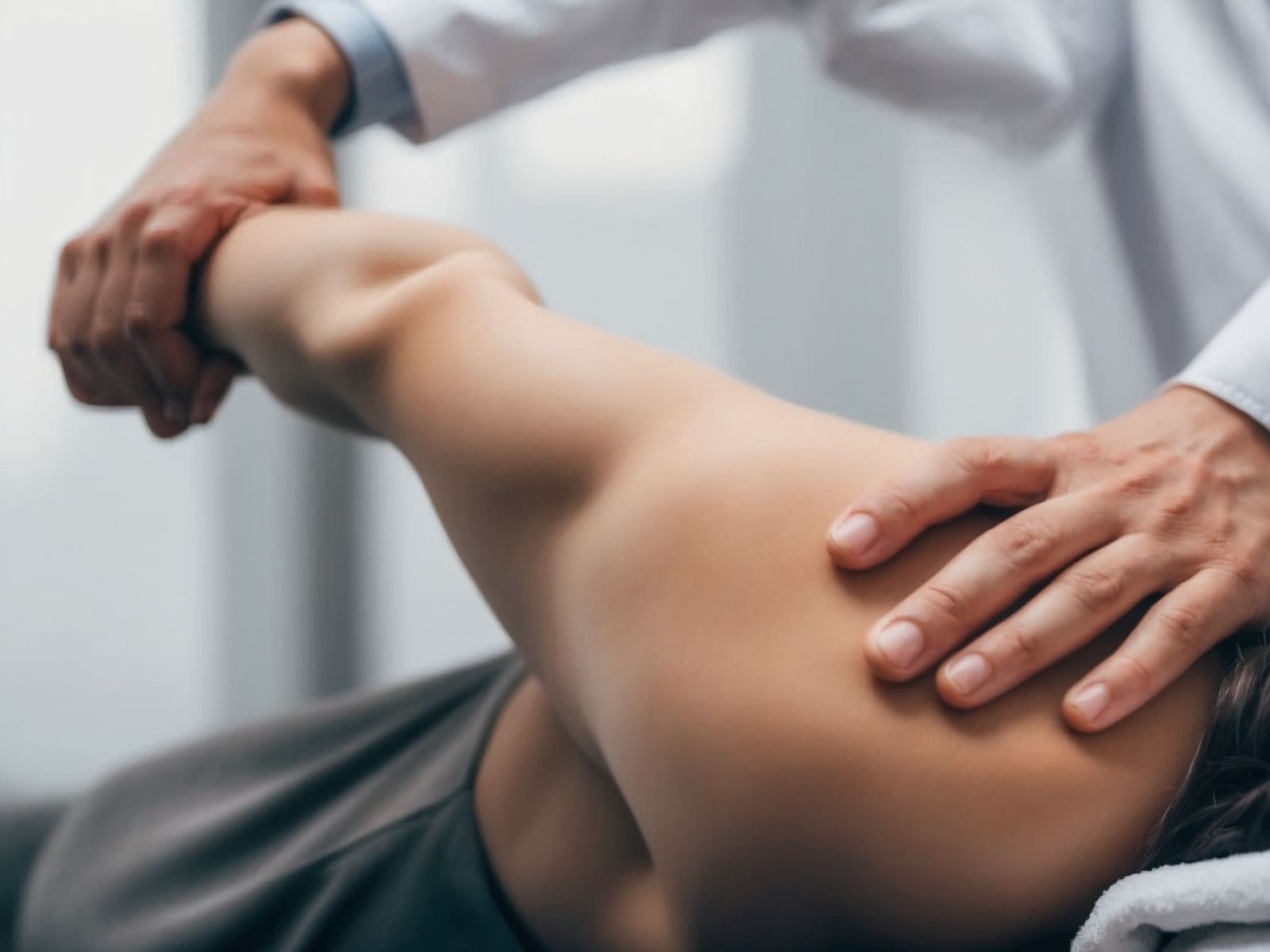
A holistic approach to treating triceps tendinopathy provides the best chances for a swift recovery and the prevention of future issues.
Prevention of Triceps Tendinopathy
Preventing triceps tendinopathy is crucial to reducing the risk of recurrence and ensuring individuals can maintain a healthy and active lifestyle. Here are some strategies that can help prevent triceps tendinopathy and alleviate symptoms if the condition occurs:
- Regular Physical Exercise: Incorporating balanced exercises that strengthen and stretch the arm and upper body muscles can reduce strain on the triceps and lower the risk of injury. It is important to perform these exercises correctly and under professional supervision if necessary.
- Warm-Up and Cool-Down Techniques: Before and after sports activities, it is recommended to practice warm-up and cool-down exercises that include dynamic stretching and a gradual increase and decrease in activity intensity. This helps prepare the muscles for exertion and supports their recovery afterward.
- Workplace and Home Adjustments: For those who frequently use their arms in their profession or daily activities, it is important to adapt their environment. Ergonomic adjustments, such as the appropriate height of work surfaces, the use of tools that reduce strain, and regular breaks, can significantly lower the risk of tendinopathy.
- Nutrition and Hydration: A balanced diet and adequate hydration are important for maintaining tendon health. Adequate intake of proteins and vitamins such as vitamin C and E supports tissue repair.
- Monitoring Symptoms: Regularly monitoring any symptoms or changes in triceps sensitivity can help detect potential problems early. If symptoms occur, consulting a doctor or physiotherapist is recommended.

By following these preventive measures, individuals can reduce the risk of developing triceps tendinopathy or worsening an existing condition.