

Sports Kinesiology
Training for the Gluteal Muscles
A toned and firm buttocks is a goal for many. Beyond the aesthetic aspect, strong gluteal muscles are essential for overall physical fitness, proper posture, and injury prevention. In this article, we will explore the best exercises to strengthen the gluteal muscles and provide tips for effective workouts that will help you achieve your goals.
Gluteal Anatomy
The anatomy of the glutes is essential to understanding how to effectively train the muscles in this area. The glutes consist of three main muscles that together form a complex and powerful system, crucial for movement and overall body stabilization.
- Gluteus maximus: It is the largest and strongest muscle in the body, giving the glutes their characteristic shape and strength. It is located on the surface of the gluteal region, covering the gluteus medius and gluteus minimus. The gluteus maximus is responsible for most movements involving hip extension, such as straightening the body from a forward bend, rising from a seated position, and climbing stairs. Additionally, it plays a vital role in stabilizing the pelvis during walking and running.
- Gluteus medius: This is the middle muscle, situated beneath the gluteus maximus and above the gluteus minimus. It is crucial for stabilizing the hips and pelvis, especially during single-leg activities such as walking, running, and standing on one leg. The gluteus medius facilitates hip abduction (moving the leg away from the body). Weakness in this muscle can lead to balance issues and improper posture, increasing the risk of injuries.
- Gluteus minimus: The smallest of the three gluteal muscles is located directly beneath the gluteus medius. Despite being the smallest, it plays a significant role in stabilizing the hips and pelvis. The gluteus minimus supports hip abduction alongside the gluteus medius and assists in internal thigh rotation. A strong and functional gluteus minimus is crucial for preventing lower back and hip pain and ensuring proper biomechanics during walking and running.
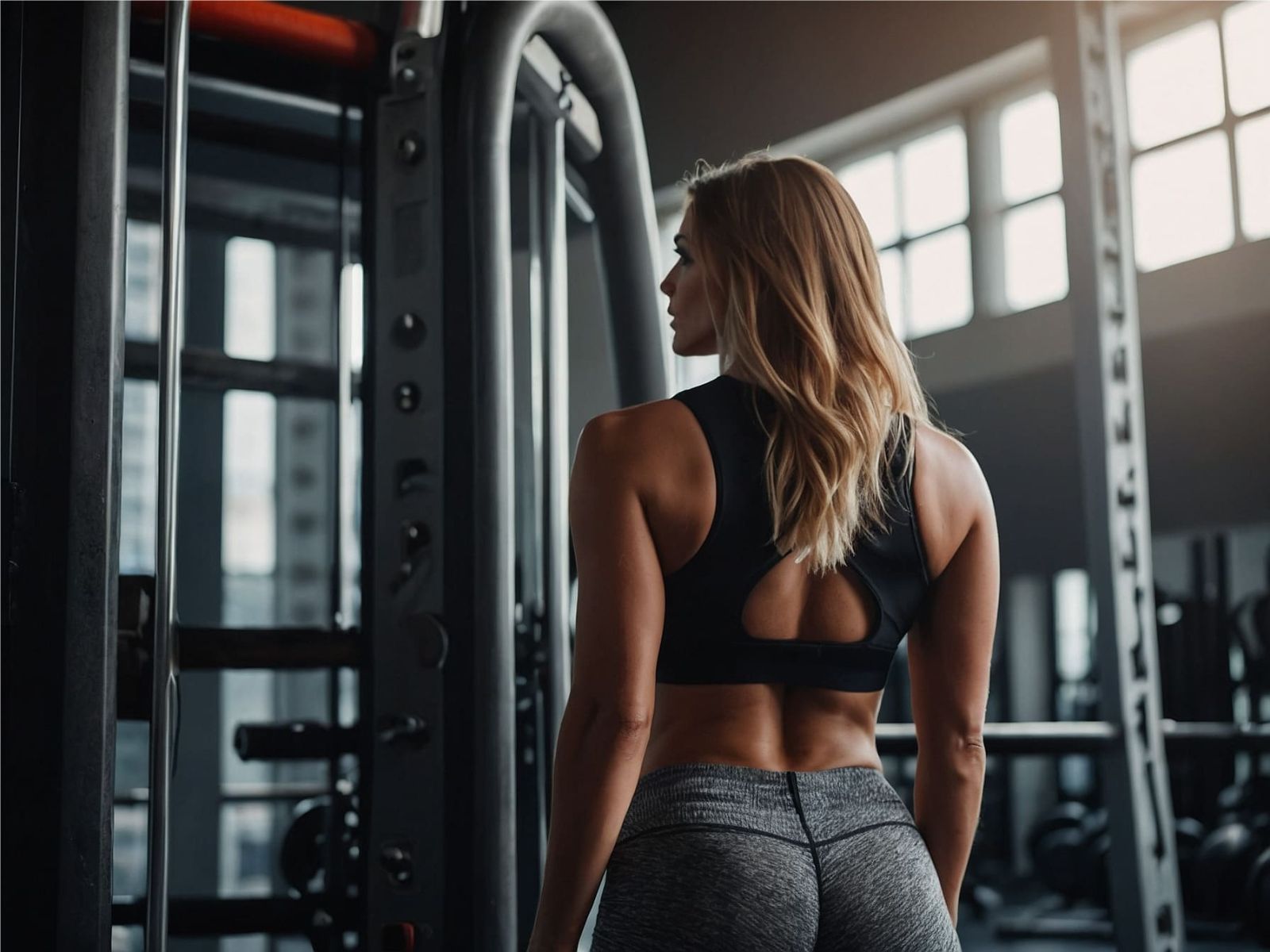
The gluteal muscles work closely with other muscle groups, particularly the lower back muscles, abdominal muscles, and hamstring muscles. Together, they form a stabilization system that supports the spine, promotes proper posture, and facilitates effective movement.
The Best Exercises for Gluteal Muscles
For optimal results, it is important to perform a variety of exercises that specifically target all three gluteal muscles. Here are some of the best exercises to help you achieve a firm and sculpted buttocks.
Squats
Squats are among the most effective exercises for strengthening the glutes. Stand with your feet shoulder-width apart, lower yourself into a squat as if you are about to sit on a chair, and then return to the starting position. It is important to keep your back straight and ensure your knees do not go past your toes. Squats activate the gluteus maximus as well as the thigh and lower back muscles, making them ideal for comprehensive lower-body strengthening. For increased intensity, you can add weights or perform deep squats.
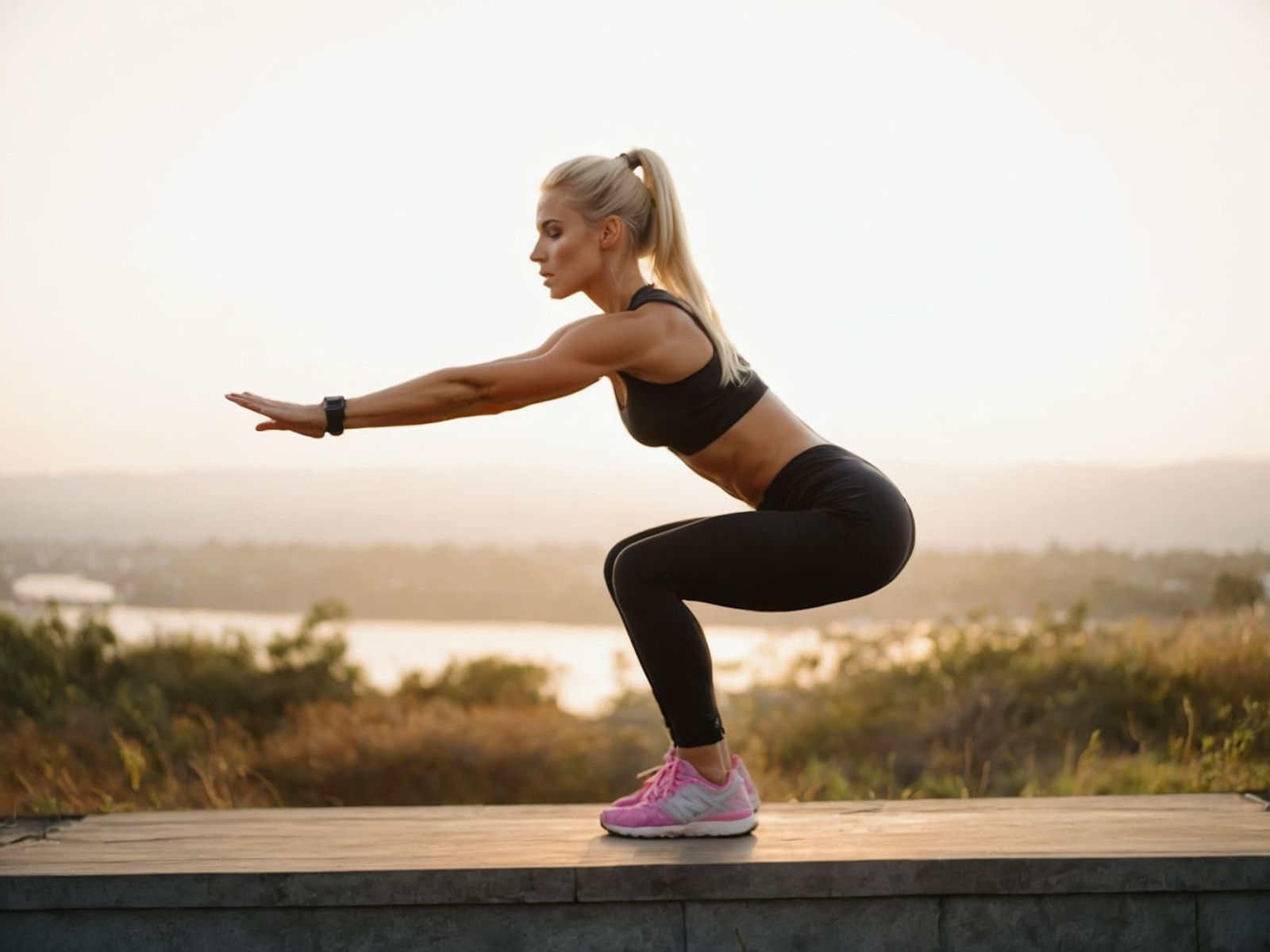
Proper squat technique is crucial for safety and effectiveness. Ensure your back remains straight and your knees do not extend past your toes.
Bridge
The bridge is an exercise where you lie on your back, bend your knees, and place your feet flat on the ground. Lift your hips toward the ceiling, forming a straight line from your knees to your shoulders. Tighten your glutes and hold the position for a few seconds before lowering back to the ground. The bridge is an excellent exercise for isolating the gluteus maximus and strengthening the lower back. For a greater challenge, you can perform a single-leg bridge or add a weight to your hips.
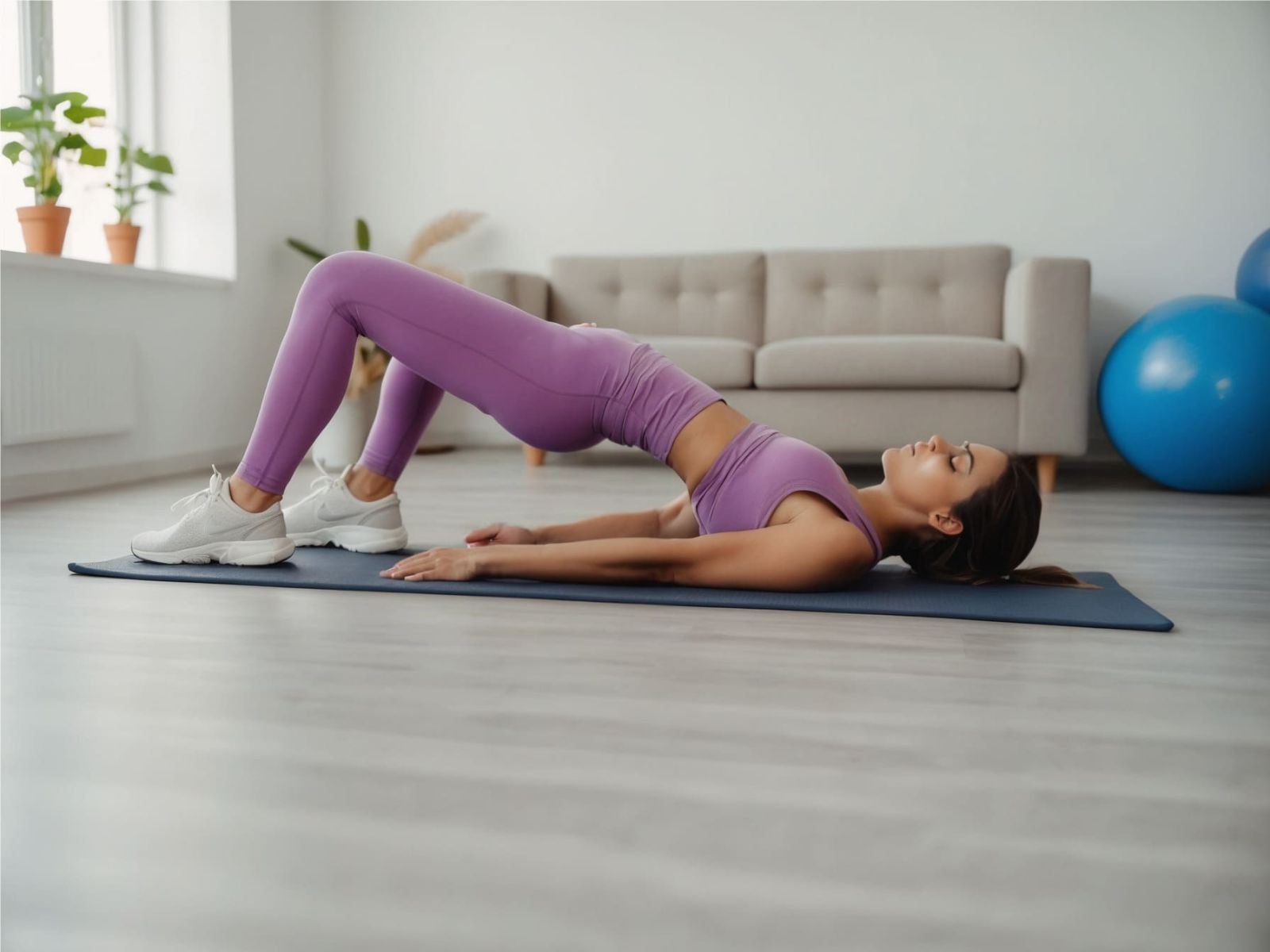
While performing the bridge, tighten your glutes and hold the position for a few seconds to maximize muscle activation.
Leg Lifts
Lie on your side and lift your top leg as high as possible while engaging your glutes. Switch sides after a few repetitions. This exercise is excellent for the gluteus medius and minimus. Leg lifts help stabilize the hips and improve balance.
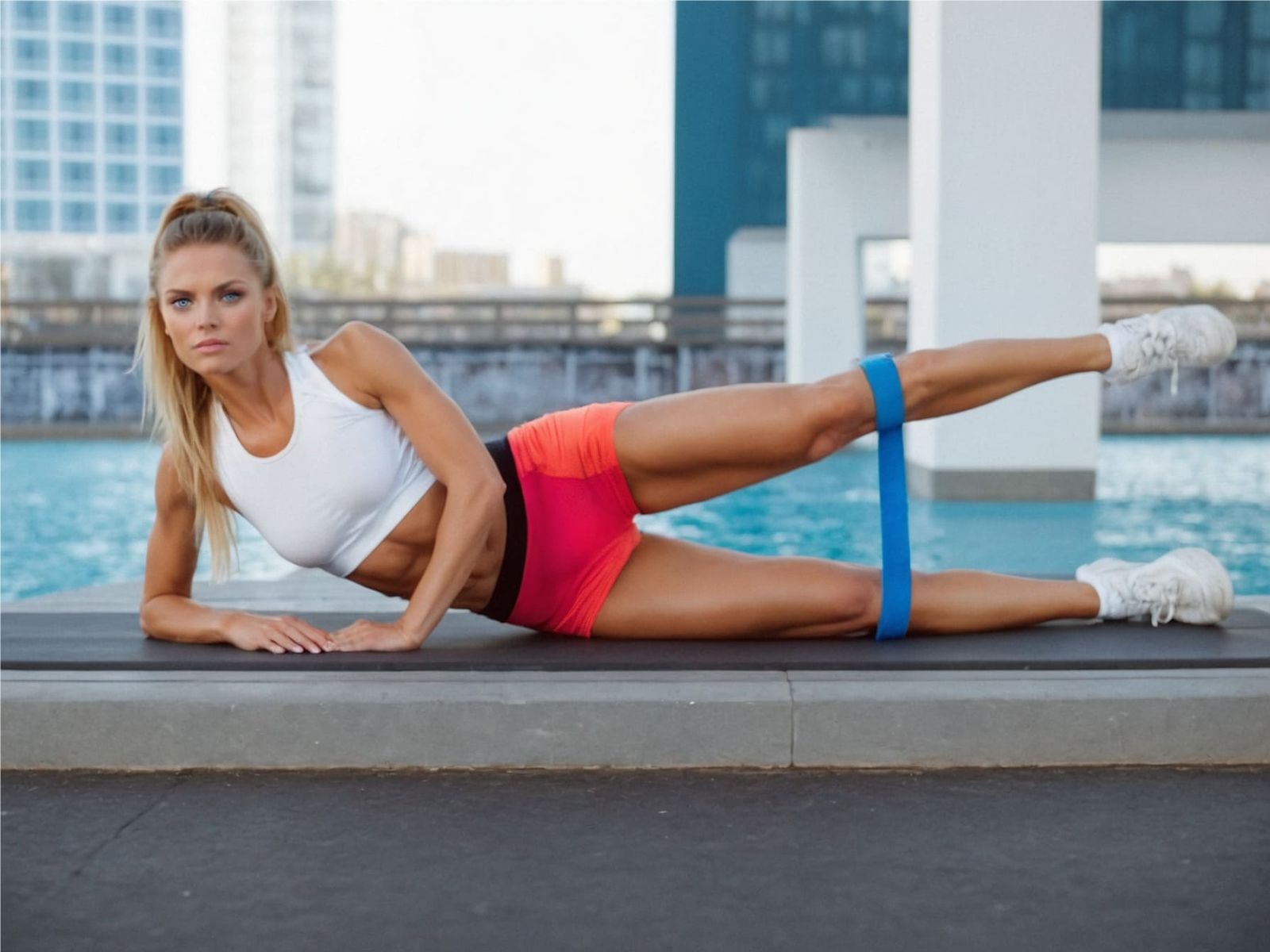
Leg lifts effectively strengthen the gluteus medius and minimus. Keep your top leg as straight and tight as possible. For a greater challenge, use ankle weights or resistance bands.
Lunges
Stand with your feet hip-width apart, take a step forward, and lower your back knee toward the ground, ensuring that your front knee does not go past your toes. Return to the starting position and repeat with the other leg. Lunges are excellent for activating all three gluteal muscles as well as the thigh muscles. You can perform them in place or walk forward; for added intensity, use weights.
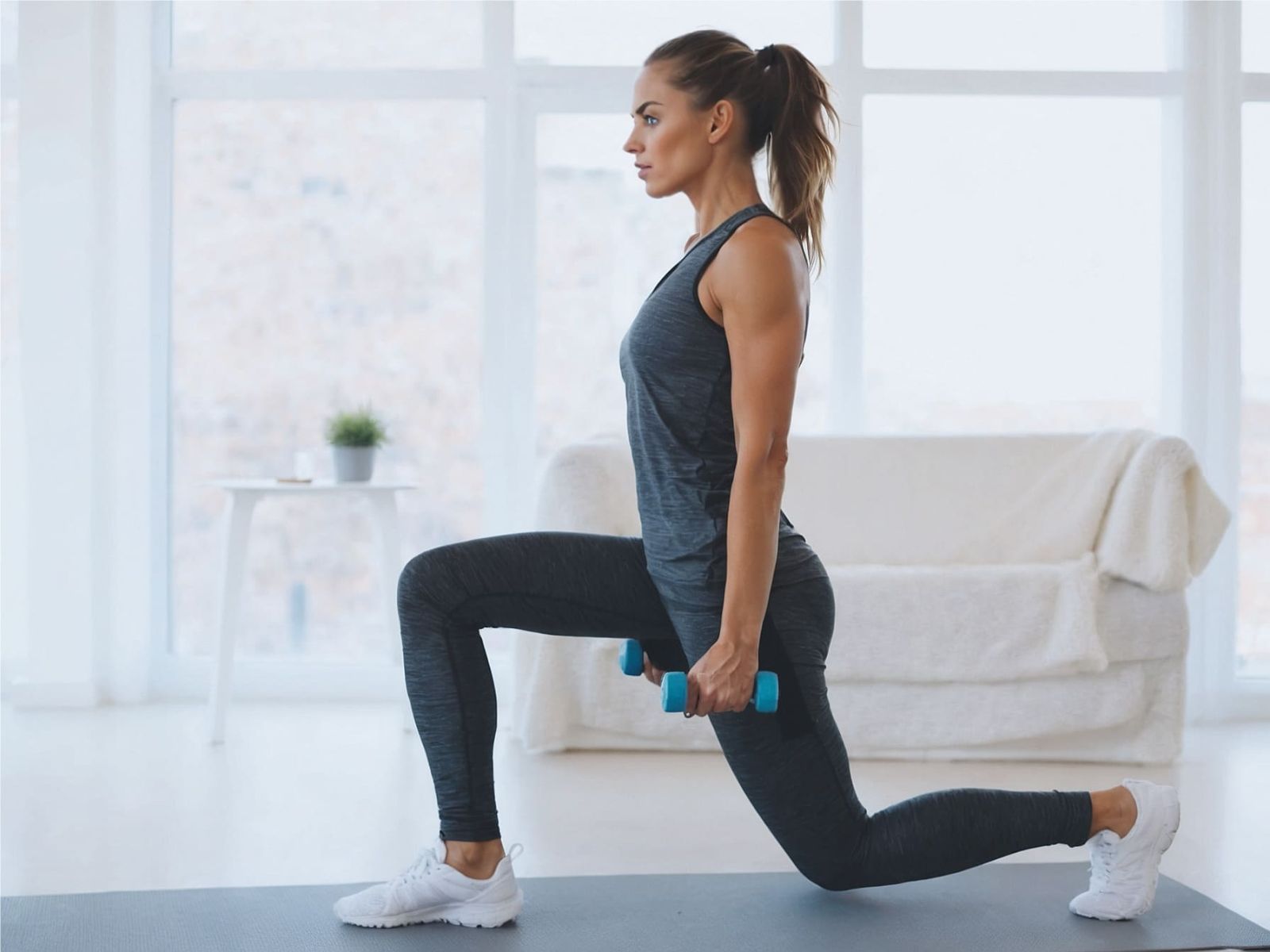
Lateral Lunges
Stand with your feet together, then take a large step to the side and bend the knee of the stepping leg while keeping the other leg straight. Push your hips back as if sitting on a chair, and then return to the starting position. Lateral lunges are excellent for targeting the gluteus medius and minimus and improving lateral hip stability.
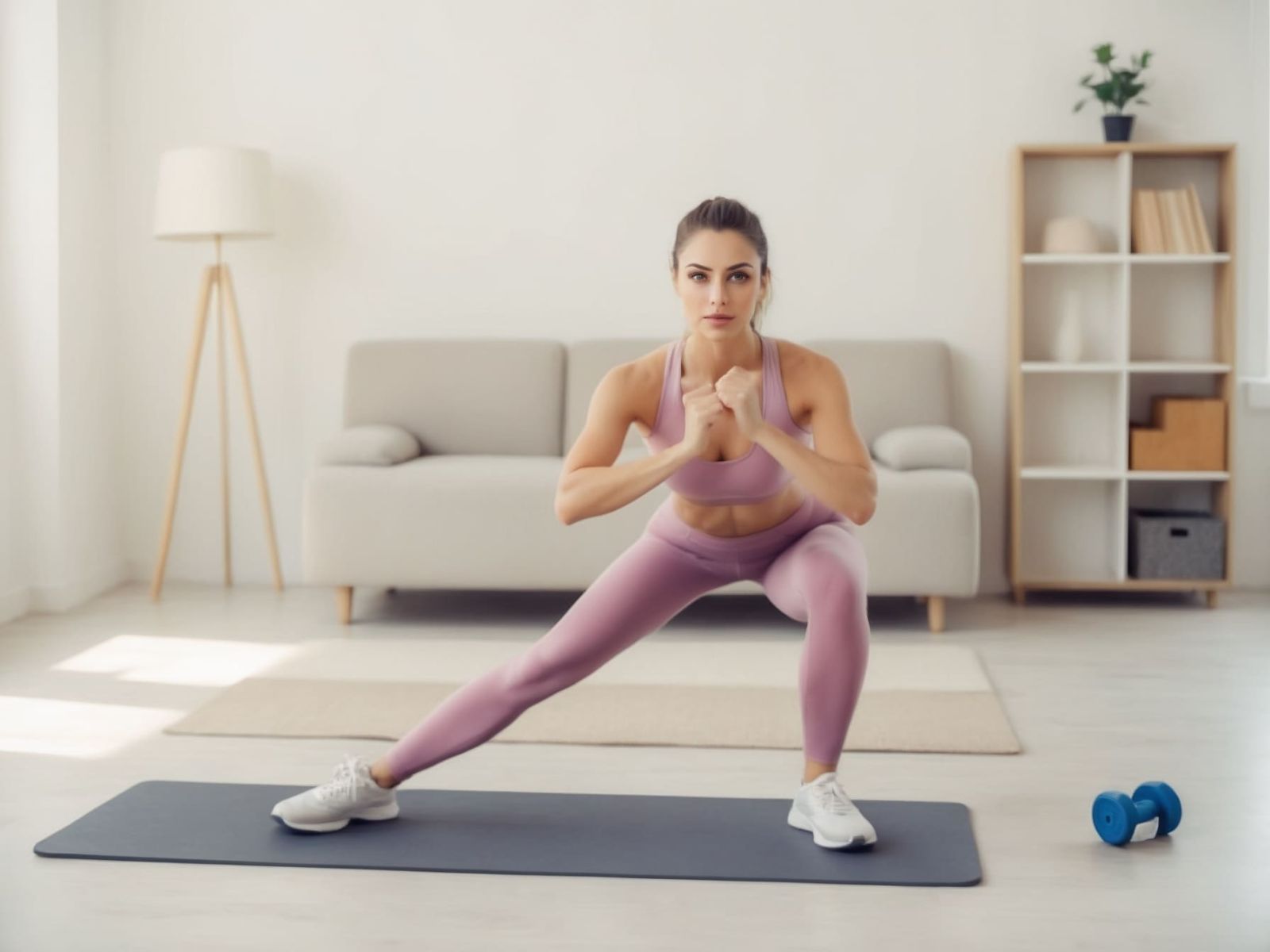
Lateral lunges help stabilize the hips. Push your hips back and keep your back straight.
Stair Climbing
Stair climbing is a simple yet effective exercise for strengthening the glutes. If you have access to stairs, you can incorporate this into your daily workout routine. This exercise activates the gluteus maximus and strengthens the leg muscles while also improving cardiovascular endurance.
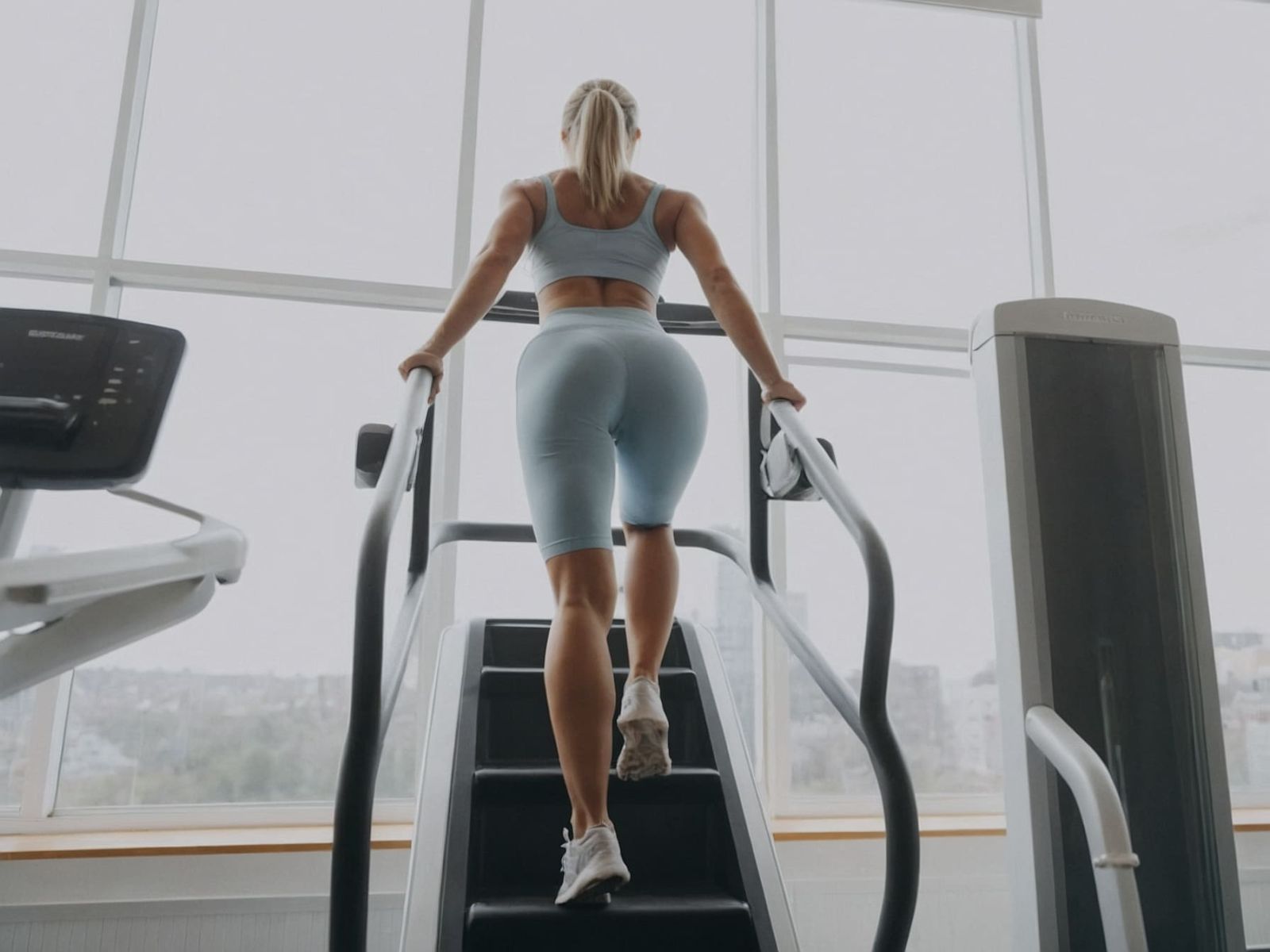
With consistent training, you will achieve a firm, sculpted gluteal region and improve your physical fitness as well as overall health.
Tips for Effective Training
To achieve the best results in glute training, it is important to follow some key tips. These will help ensure that your workouts are effective, safe, and goal-oriented.
- Proper Technique: It is essential for preventing injuries and achieving the best results. Incorrect exercise execution can lead to pain and injuries, which can hinder your progress in the long term. If you are unsure about your technique, consult a trainer or watch instructional videos. It is important to maintain proper posture, balance, and control during your workout. Pay attention to the positioning of your back, knees, and feet, and avoid overly rapid or uncontrolled movements.
- Increasing the Load: Gradually increasing the load is essential for progress. This can be achieved by lifting heavier weights or increasing the number of repetitions and sets. Gradual load increases promote muscle growth and improve strength. It is recommended to increase the weight you lift every few weeks or add more repetitions to each set. Listen to your body and increase the load when you feel ready.
- Training Frequency: Train your glutes at least twice a week to achieve optimal results. It is also important to allow the muscles enough time to recover between workouts. Overly intense training without proper rest can lead to overtraining and injuries. Set specific days for glute training and incorporate them into your weekly workout plan, ensuring to address other muscle groups for comprehensive fitness.
- Exercise Variety: Incorporate a variety of exercises that specifically target different areas of the glutes. This ensures a comprehensive strengthening and shaping of the muscles. Include exercises that activate the gluteus maximus, medius, and minimus, and focus on various movements such as extensions, bends, and hip rotations. A combination of different exercises ensures balanced muscle development and prevents monotony in your workouts.
- Nutrition and Rest: A balanced diet and adequate rest are crucial for muscle recovery and growth. Ensure a balanced intake of proteins, carbohydrates, and healthy fats, and avoid processed foods. Proteins are essential for repairing muscle tissue, while carbohydrates provide energy for training. Healthy fats support hormonal balance and overall health. It is also important to get enough sleep each night, as muscles recover and grow during rest. It is recommended to sleep at least 7–8 hours per night.

Following these tips will help make your workouts effective, safe, and focused on achieving your goals. Regular exercise, a balanced diet, and adequate rest are the keys to success and lasting results.