

Health
The Impact of Yoga and Meditation on Your Health
In today's fast-paced and often stressful world, we seek ways to maintain or enhance our health and well-being. Yoga and meditation are two ancient practices that have proven to be highly effective approaches for combating stress, improving physical health, and fostering inner peace. Regardless of your prior knowledge or physical fitness, yoga poses and meditative techniques offer adaptable methods to achieve a stronger connection between body and mind.
The History of Yoga and Meditation
Yoga and meditation have their roots in ancient India, where they were developed as spiritual practices thousands of years ago. Yoga, derived from the Sanskrit word for "union," is mentioned in the oldest texts, such as the Vedas, as a means of uniting the individual soul with universal consciousness. Meditation, often central to yoga, serves as a technique for calming the mind and achieving deeper states of awareness.
Historical Development of Yoga
Yoga, a millennia-old discipline, originated in ancient India and evolved through various stages, from ritualistic ceremonies to practices connecting body and mind. Each period in yoga’s history has contributed to the diversity and depth we know today.
- Vedic Yoga: The earliest form of yoga, originating from the Vedas, the sacred scriptures of India. This form of yoga focused primarily on rituals and ceremonies that served as a means to connect with the divine and natural forces. During this period, yoga was closely tied to religious practices and aimed at achieving spiritual enlightenment and harmony.
- Pre-Classical Yoga: During the pre-classical era, philosophies and practices emerged that focused more on meditation and asceticism. The Upanishads, developed during this time, provide early descriptions of meditation techniques and the concept of the unity of the soul (Atman) with the universal essence (Brahman). Pre-classical yoga practices were aimed at personal spiritual growth and achieving inner peace.
- Classical Yoga: This era is marked by the systematization of yoga by Patanjali, who composed the "Yoga Sutras." This foundational text outlines the eight limbs of yoga (Ashtanga Yoga), which together form the path to spiritual development and self-realization. Patanjali emphasized the importance of moral principles (Yamas and Niyamas), physical postures (Asanas), breathing techniques (Pranayama), sense withdrawal (Pratyahara), concentration (Dharana), meditation (Dhyana), and finally, the state of complete awareness or unity (Samadhi). Classical yoga lays the groundwork for most modern yoga practices.
- Post-Classical Yoga: In the post-classical era, the emphasis shifted toward more physically oriented practices, including Pranayamas (breathing techniques) and Asanas (physical postures) designed to cleanse the body and mind. This period also saw the development of Tantric Yoga, which explores subtle energies within the body and their use for spiritual transformation. Tantric Yoga incorporates a wide range of techniques, including mantras, mudras, and meditation, aiming to achieve higher states of consciousness.
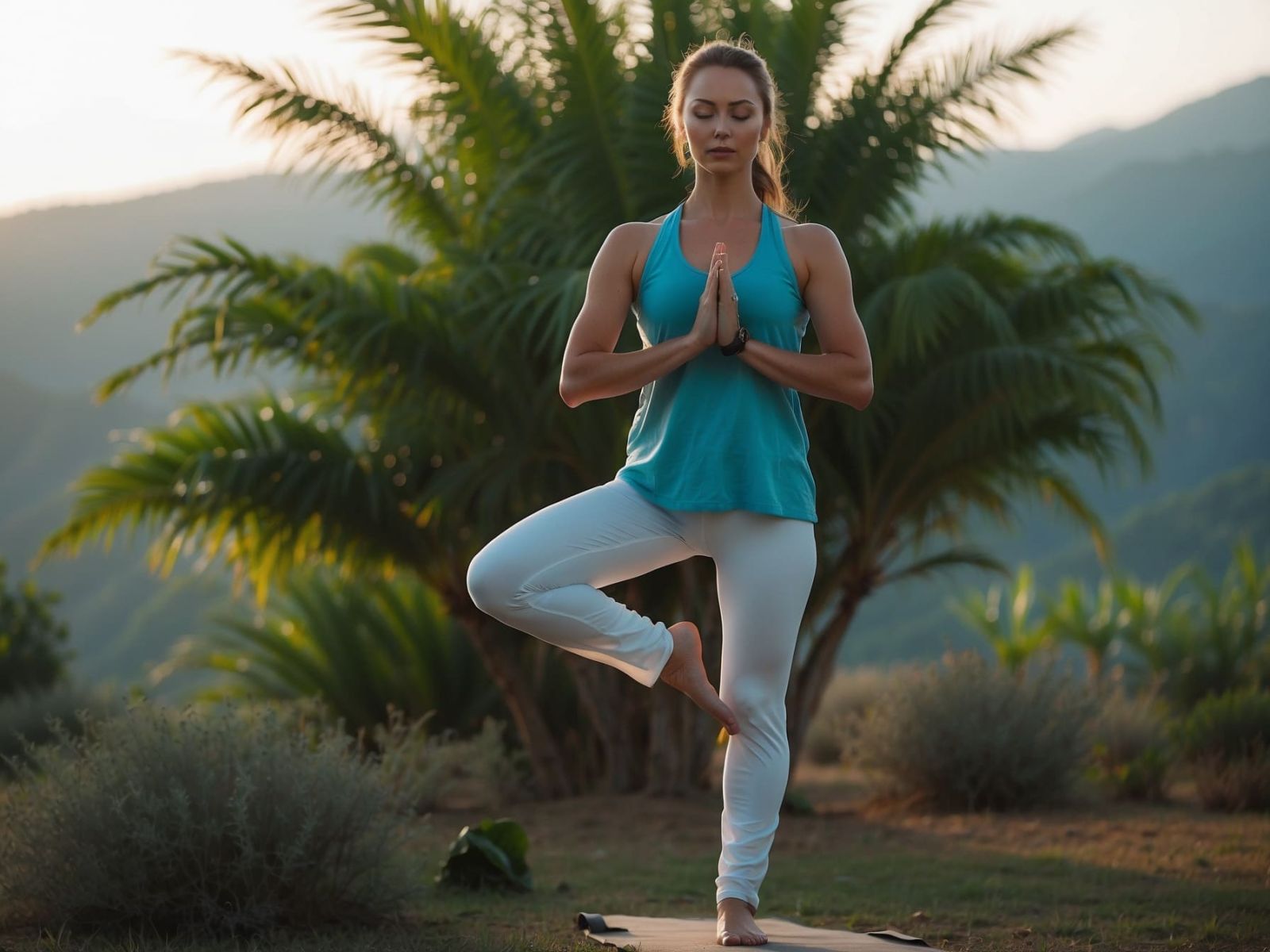
During this period, various schools and paths of yoga, such as Bhakti Yoga (the path of devotion), Karma Yoga (the path of selfless action), and Jnana Yoga (the path of knowledge), also emerged, representing the diverse ways an individual can pursue spiritual growth. The history of yoga is one of continuous evolution and adaptation, reflecting different cultures and philosophies over the centuries. Its ability to adjust to the needs of individuals and societies is the reason why yoga remains so widespread and valued worldwide to this day.
The Historical Development of Meditation
Meditation, deeply rooted in the millennia-old traditions of Buddhism, Hinduism, and other spiritual paths, has undergone transformations over time, shaping its practice and understanding. While the fundamental principles of meditation – focusing and calming the mind to achieve higher states of consciousness – have remained unchanged, its methods and interpretations have evolved, reflecting diverse cultures and spiritual needs.
- Buddhism and Meditation: In Buddhism, meditation occupies a central role as the path to enlightenment, Nirvana. Early Buddhist texts, such as the Sutras, provide detailed descriptions of various meditative practices. Buddha himself taught meditation as a means to transcend suffering and gain a deeper understanding of the mind and reality. In Buddhism, different meditative techniques exist, ranging from Vipassana (insight meditation), which fosters a profound understanding of the nature of things, to Samatha (concentration meditation), which focuses the mind on a single point and develops mental stability and focus.
- Hinduism and Meditation: In Hinduism, meditation also plays a crucial role and is often intertwined with yogic practices. Ancient Hindu texts like the Upanishads and the Bhagavad Gita discuss meditation as a means to attain Moksha – the liberation of the soul from the cycle of birth and death. Meditation practices in Hinduism range from simple mantra recitation to complex visualization techniques aimed at uniting the individual soul (Atman) with the universal soul (Brahman).
- Taoism and Zen: In addition to Buddhism and Hinduism, Taoism and Zen Buddhism contribute to the development of meditative practices. Taoist meditation emphasizes harmony with nature and Qi (life energy), while Zen Buddhism, rooted in the Mahayana tradition, highlights silent sitting (Zazen) and the use of Koans (riddles) to transcend the rational mind and achieve Satori – sudden enlightenment.
- Modern Meditation: In contemporary times, meditation has transcended its religious and spiritual origins to become a popular method for reducing stress, enhancing focus, and promoting overall well-being. Various forms of meditation, such as mindfulness, transcendental meditation, and heart coherence, have become part of Western culture, often supported by scientific research confirming their positive effects on health and mental well-being.
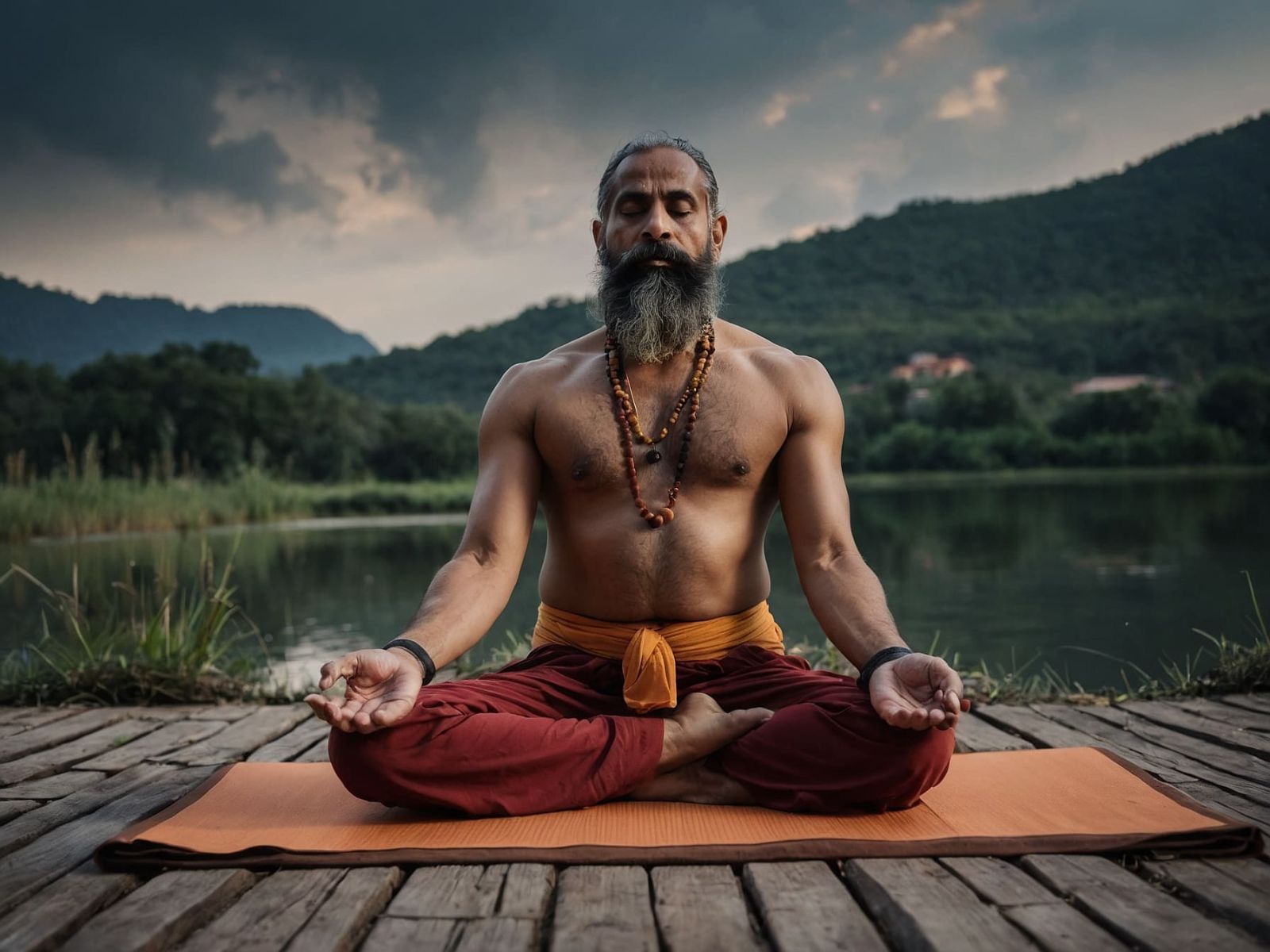
Meditation, in both its traditional and modern forms, remains a universal practice that allows people worldwide to gain a deeper understanding of themselves and the world around them. The evolution of meditation from ancient times to the present attests to its enduring value and adaptability to various cultures and the needs of humanity.
The Scientific Perspective on Yoga and Meditation
Yoga and meditation have recently captured the attention of the scientific community due to their potential health benefits. Using modern research methods such as neuroscience and brain imaging techniques, scientists are uncovering how these practices influence our mind, body, and overall well-being. One researcher connecting ancient practices with modern science is Dr. Joe Dispenza. His work provides insights into how meditation can lead to significant changes in our body and mind.
- Impact on the Brain and Body: Through meditation and conscious mental processes, we can achieve neuroplastic changes in the brain. This means that with regular meditation and intentional focus, we can actually alter the way our brain functions. Research shows that meditation and yoga increase the density of gray matter in the brain, enhance neuronal connectivity, and reduce activity in areas of the brain associated with stress.
- Reducing Stress and Anxiety: Yoga and meditation can reduce physiological stress responses, leading to a deeper sense of calm and less anxiety. Numerous studies confirm that regular practice of these techniques lowers cortisol levels, the stress hormone, and improves symptoms associated with anxiety and depression.
- Improving Physical Health: Scientific studies have documented a wide range of physical benefits from yoga and meditation, including lower blood pressure, improved heart function, better digestion, and a reduction in chronic pain. Dr. Dispenza and other researchers highlight how these practices can boost the immune system, enhance resilience against illnesses, and even accelerate the healing process.
- Self-Healing and Transformation: Through meditation, we can reach a state where the body activates its natural healing mechanisms, potentially reducing symptoms of chronic illnesses or even leading to their complete resolution. This opens new avenues for understanding and addressing health challenges.
The scientific perspective on yoga and meditation reveals that these practices are much more than just physical exercises or relaxation techniques. They are tools for profound transformation on physical, mental, and spiritual levels, supporting ancient wisdom while offering new possibilities for health and well-being.
Health Benefits
Yoga and meditation offer numerous benefits for our physical and mental health, supported by anecdotal evidence and scientific research. Below, we categorize these benefits into physical, psychological, and long-term advantages.
Physical Benefits
- Improved flexibility and mobility: Regular yoga practice gradually increases flexibility, reduces the risk of injuries, and improves overall posture.
- Relief from back pain: Specific yoga poses can help alleviate chronic lower back pain, which is particularly beneficial for individuals who spend long hours sitting.
- Enhanced breathing: Pranayama, or breathing techniques, teach breath control, improving lung function and increasing lung capacity.
- Increased muscle strength: Yoga strengthens and tones muscles, contributing to better balance and overall body stability.
Psychological Benefits
- Reduction of stress and anxiety: Both yoga and meditation help calm the mind, reducing feelings of stress and anxiety.
- Improved emotional well-being: Regular meditation and yoga can enhance overall mood and reduce symptoms of depression.
- Increased awareness: Mindfulness practices develop greater attention to the present moment, improving focus and awareness.
Long-term Benefits
- Improved sleep: Yoga and meditation can aid in resolving sleep issues by calming the mind and body, facilitating a transition into deep and restorative sleep.
- Strengthened immune system: By reducing stress and improving overall physical health, yoga and meditation contribute to a stronger and more resilient immune system.
- Prevention of chronic diseases: Regular practice can lower the risk of developing chronic illnesses such as hypertension, cardiovascular diseases, and type 2 diabetes by improving weight management, blood pressure, and blood sugar levels.
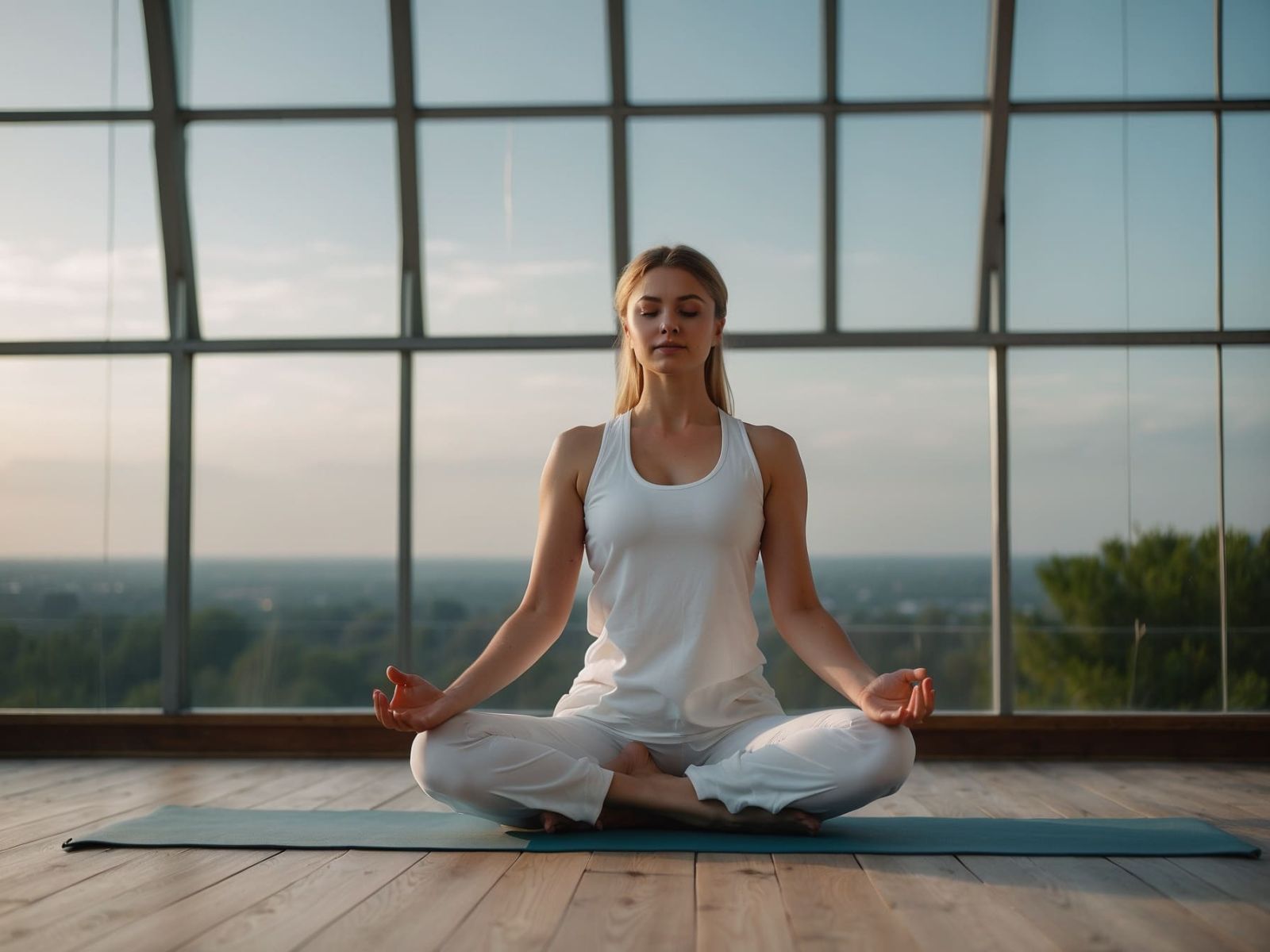
With clear commitment and regular practice, yoga and meditation can bring profound transformation not only to our body but also to our mind and spirit, leading to a healthier and more balanced way of life.
Practical Tips for Integrating Yoga and Meditation into Daily Life
Incorporating yoga and meditation into your daily routine may seem challenging at first, but with a few simple strategies, these practices can become accessible and achievable for almost anyone. Here are some practical tips to help you get started and stay consistent:
- Start slow and set realistic goals: Begin with a few minutes of meditation each day and some basic yoga exercises. Gradually increase the duration as you gain confidence in your practice.
- Choose the right environment: Find a quiet spot in your home where you can practice yoga and meditation regularly without distractions.
- Leverage tools and resources: Use apps and online platforms. Many free and paid options offer guided meditations, yoga exercises, and comprehensive courses.
- Find a community: Join a group or attend a class at a local yoga studio. This can boost your motivation and provide additional support and advice.
Integrating the Practice into Your Schedule
- Create a regular routine: Set a specific time of day for your practice, whether it’s in the morning to energize your day or in the evening to wind down before bed.
- Be flexible: If your planned time isn’t possible, adjust and find another time during the day. Consistency is more important than the duration of each session.
- Develop patience and self-compassion: Avoid self-judgment. Yoga and meditation are processes of learning and growth. Accept that there will be days when the practice feels harder and embrace them without criticism.
- Acknowledge your progress: Even small steps count. Celebrate every milestone along the way, no matter how minor it may seem.
- Practice mindfulness in daily activities: Meditation and mindfulness are not confined to the mat. You can incorporate them while walking, cooking, or even working by focusing on the moment and your breath.
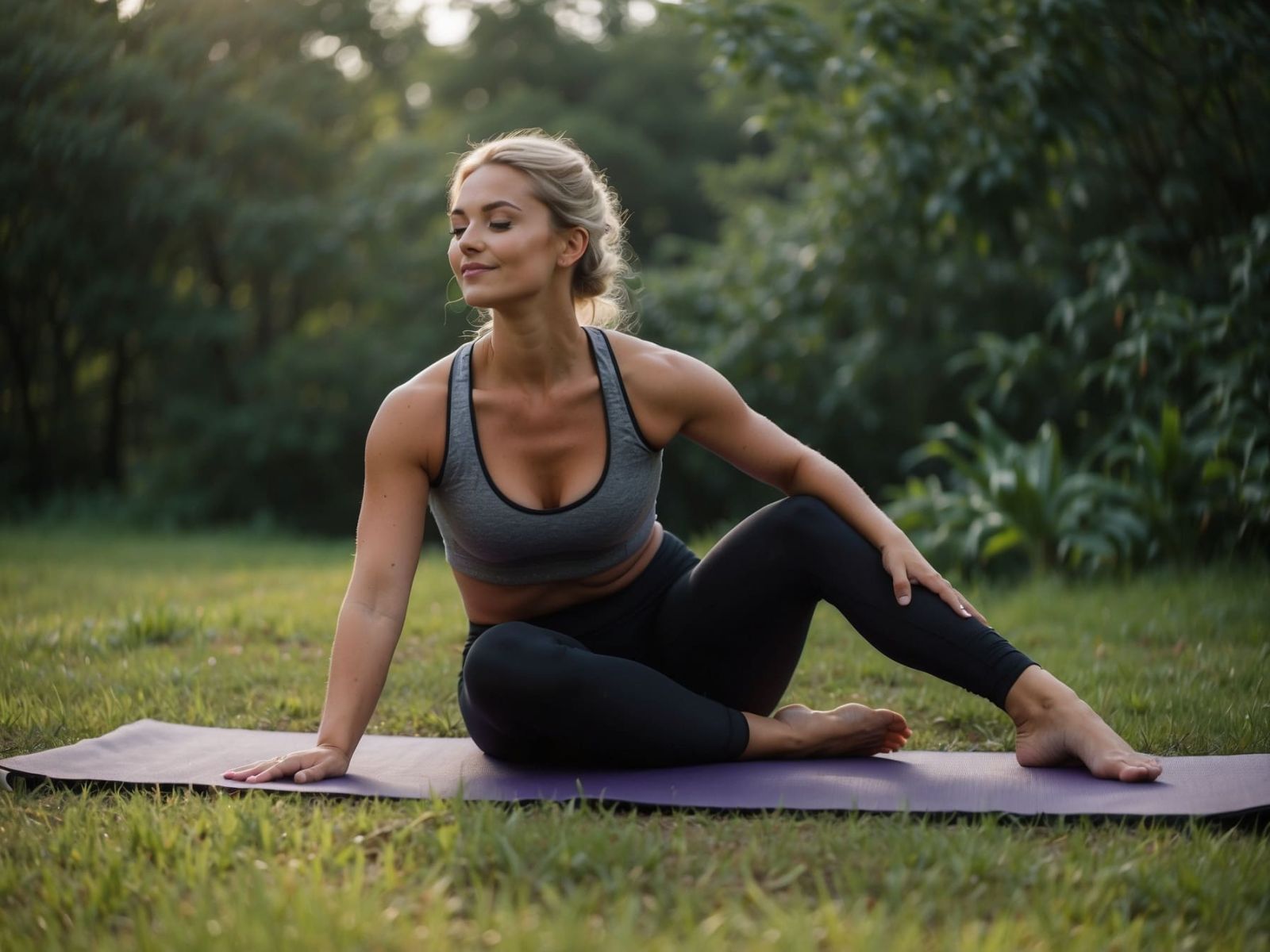
With regular practice and a bit of persistence, yoga and meditation can become essential parts of your life, bringing peace, health, and harmony. Remember that the journey is personal and unique to each individual. Let your practice reflect your needs, goals, and lifestyle.