Health
The Impact of Kneipping on Your Health
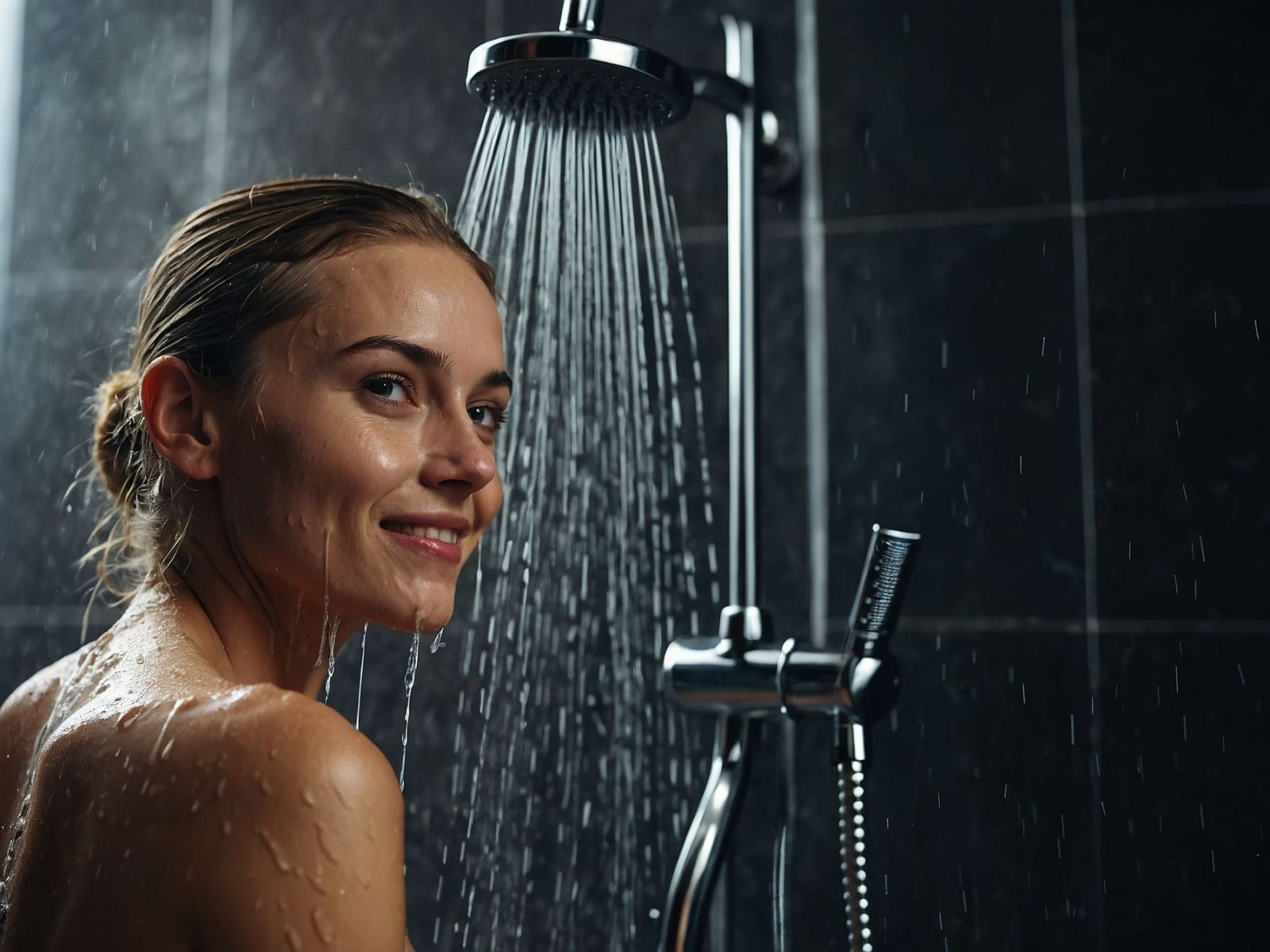
In today's world, where stress has become a constant companion, people are continuously seeking effective ways to enhance their health and well-being. One method gaining popularity for its numerous health benefits is Kneipping. This technique, developed in the 19th century by Sebastian Kneipp, is based on the use of water to improve circulation and stimulate the body’s self-healing abilities. Kneipping is not only a method to enhance physical health but also positively affects mental well-being by promoting relaxation and reducing stress.
What is Kneipping?
Kneipping is a therapeutic method based on the use of water in various forms – from cold baths to warm steam compresses – to promote health and stimulate the body’s self-healing abilities. It is founded on five pillars defined by its creator, Sebastian Kneipp: water, herbs, exercise, nutrition, and balance. Kneipping focuses not only on treating symptoms but also on strengthening the immune system and improving overall well-being. Numerous studies have confirmed that regular Kneipping can bring noticeable health benefits, including improved circulation, reduced stress and anxiety symptoms, and enhanced resilience to diseases.

Health Benefits of Kneipping
- Improved Circulation and Cardiovascular Health: Kneipping enhances the body's natural dynamics to support heart and blood vessel function. The temperature differences strengthen the cardiovascular system and improve blood vessel elasticity. This not only enhances circulation and overall vitality but also helps reduce the risk of conditions such as hypertension and atherosclerosis.
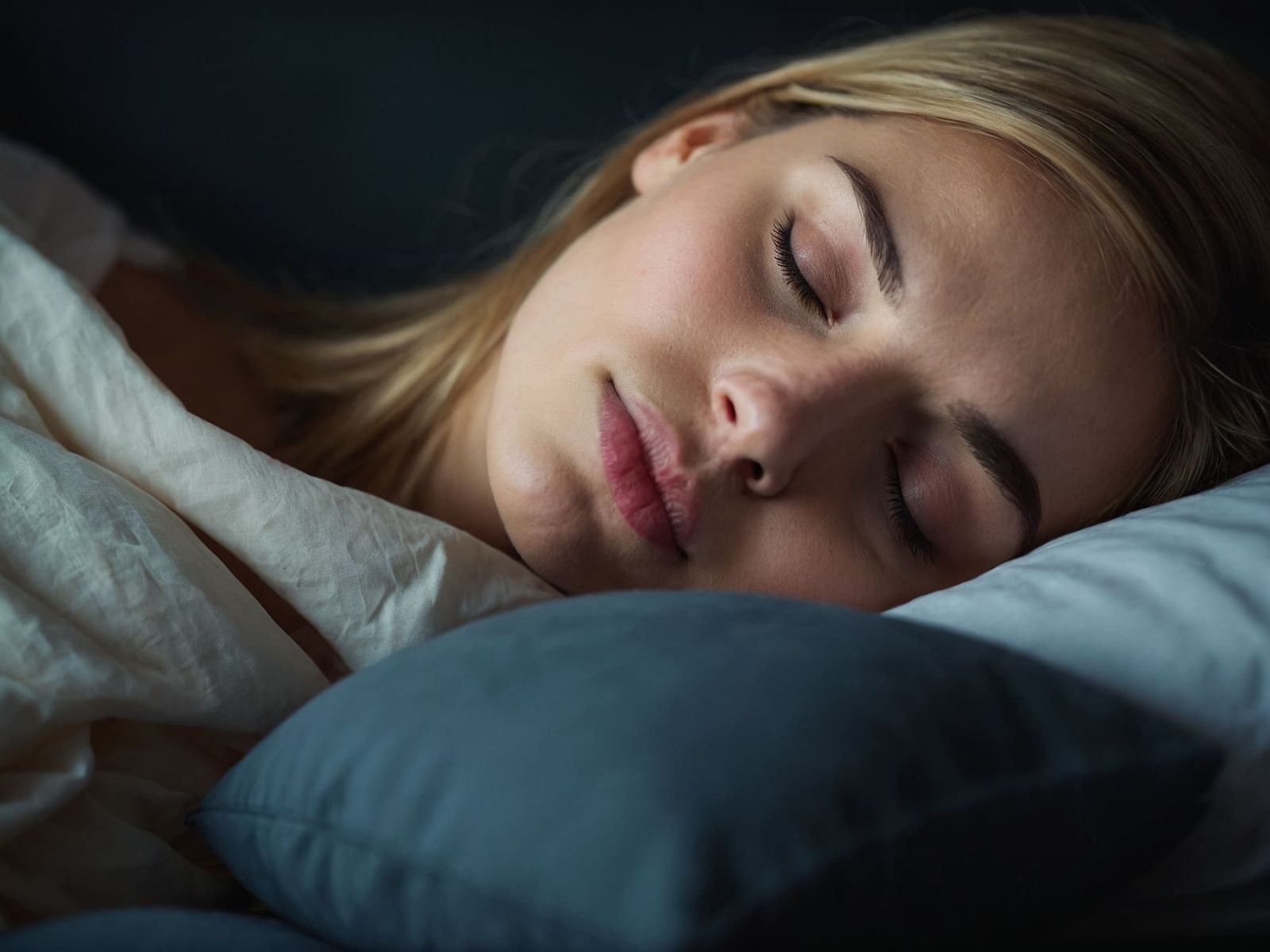
- Stress Reduction and Better Sleep: Kneipping uses the therapeutic properties of water to deeply relax the body and mind. This technique can significantly reduce stress and anxiety levels, allowing for a more restful and regenerative sleep. Muscle relaxation and calming the mind before bed are crucial for improving sleep quality, which directly impacts daily functioning and mood.
- Boosted Immune System: Kneipping stimulates the immune system, helping the body fight off pathogens such as viruses and bacteria. This process helps reduce the frequency of colds, flu, and other seasonal illnesses, thereby strengthening the body’s natural resilience.
- Detoxification and Skin Improvement: Kneipping accelerates detoxification through the skin, one of the body's most important organs for eliminating toxins. Regular practice of this technique can enhance skin circulation, tighten the skin, and improve its overall appearance.
How to Start Kneipping
Starting with Kneipping is straightforward, but it’s essential to approach the process with understanding and respect for your body’s limits. Here’s a detailed guide on how to safely and effectively incorporate Kneipping into your life:
Basic Steps to Begin:
- Start with contrast showers: An easy way to begin is alternating between warm and cold water showers. Start with warm water for a few minutes, then switch to cold water for about 30 seconds. Repeat this process several times. This method helps your body gradually adapt to temperature changes.
- Walking on dew or cold water: Walking barefoot on morning dew or in cold water stimulates the nervous system and promotes circulation. Start with a few minutes and gradually extend the time. This is especially recommended for improving circulation in the legs and feet.
- Using cold compresses: For localized treatment, apply cold compresses to specific areas, such as joints or muscles. This helps reduce inflammation and relieve pain. Start with a few minutes and gradually increase the duration based on your comfort.
Tips for Safe Practice:
- Listen to your body: It’s important to closely monitor how you feel during Kneipping. If you experience excessive discomfort or pain, stop and allow your body to adjust.
- Take it gradually: Avoid starting too quickly or aggressively. Gradually increase the intensity and duration of exposure to allow your body to adapt smoothly.
- Adapt to the seasons: Depending on the time of year, you may need to adjust your Kneipping routine. Summer offers a more comfortable starting point, while winter can be used for shorter but more intense exposures.
- Incorporate breathing exercises: Breathing plays a crucial role in helping your body adjust to temperature changes. Focus on deep and calm breathing, especially during exposure to cold water.
- Stay consistent: Regularity is key to achieving long-term benefits of Kneipping. Try to incorporate the practice into your daily or weekly routine for the best results.
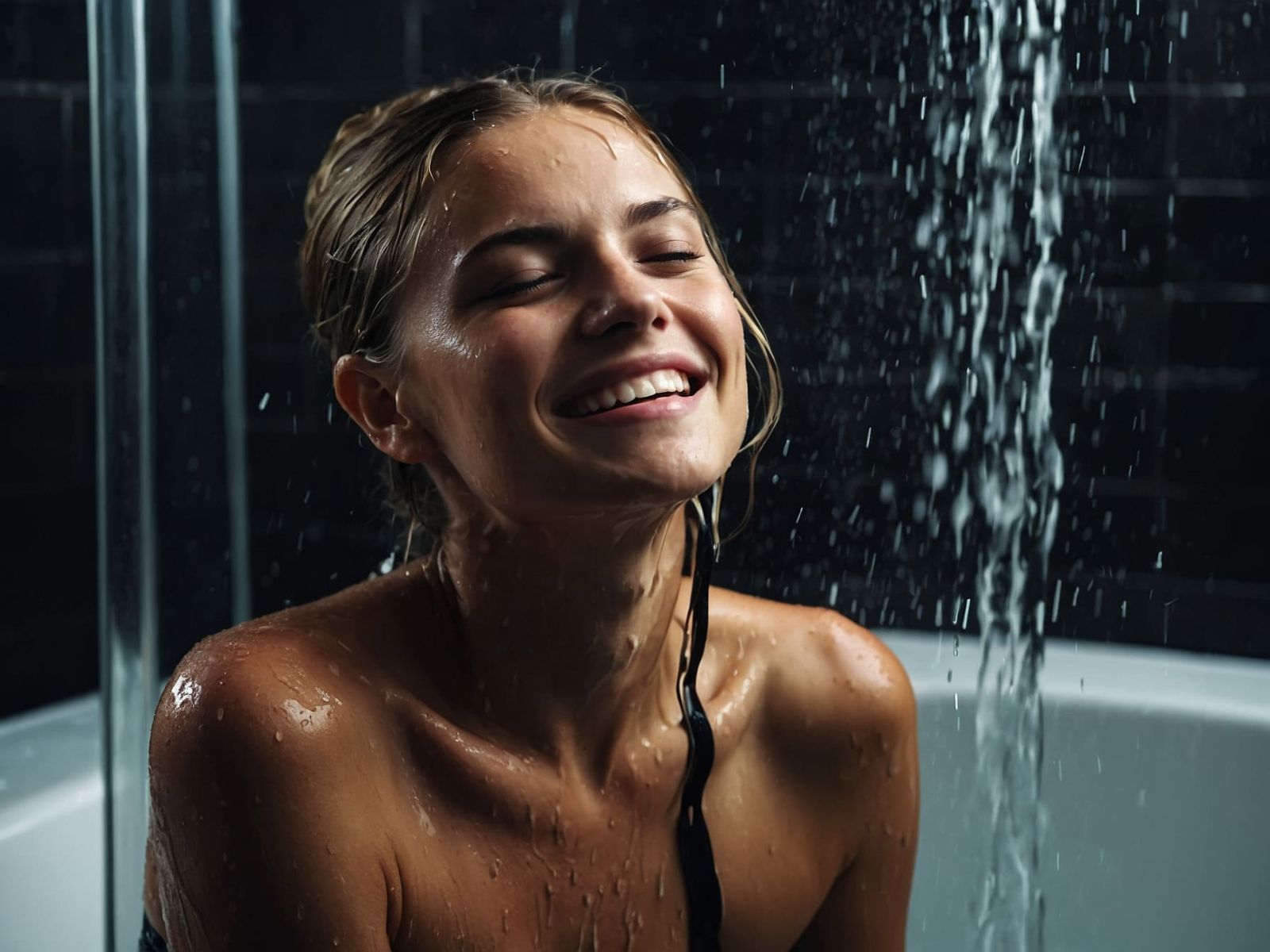
Starting with Kneipping can be highly beneficial for your health and well-being. By following the guidelines above and gradually incorporating this practice into your routine, you can experience its numerous benefits while ensuring your body’s safety and comfort.
Frequently Asked Questions About Kneipping
Is Kneipping safe for everyone?
Kneipping is generally safe for most people. However, caution is needed for individuals with certain health conditions, such as serious cardiovascular diseases, high blood pressure, acute infections, or severe skin disorders. Pregnant women should consult a doctor before starting. A healthcare provider or Kneipp expert can assess your health and provide guidance on safely practicing this method.
How often should I practice Kneipping?
Start with a slow pace, such as once or twice a week, and gradually increase the frequency as your body adapts. Some people Kneipp daily, while others find that a few times a week works best for them. Listen to your body and adjust the frequency based on how you feel.
Which parts of the body should I include in Kneipping?
Kneipping can be adapted to different parts of the body depending on your needs and goals. For overall rejuvenation and immune system support, full-body Kneipping is ideal. For localized issues like muscle or joint pain, focus on specific areas. Examples include cold compresses for sore joints or alternating warm and cold baths for hands or feet. Concentrate on areas where you want to improve circulation, reduce pain, or enhance resilience.
Can I practice Kneipping at home?
Yes, Kneipping is easy to practice at home and does not require special equipment. You can start with simple techniques like alternating warm and cold showers, cold compresses, walking barefoot on dew, or soaking your feet in warm and cold water. The main advantage of home practice is that it can be tailored to your schedule and needs, but it is essential to follow safety guidelines and introduce the therapy gradually.