

Sports physiotherapy
Tennis Elbow – Causes, Symptoms, and Treatment
Tennis elbow, also known as lateral epicondylitis, is a common issue among people who engage in sports that require repetitive arm and wrist movements. Despite its name, this condition is not limited to tennis players; it also affects people involved in similar activities, such as golf, badminton, or even those performing repetitive motions at work.
Causes of Tennis Elbow
Tennis elbow, also known as lateral epicondylitis, is often the result of repetitive strain on muscles and tendons. This constant stress can cause micro-tears and inflammation in these structures, eventually leading to pain and limited mobility in the elbow. Key factors contributing to the development of tennis elbow extend beyond just sports activities:
- Repetitive Movements: Frequent performance of the same movements places a continuous strain on the muscles and tendons around the elbow. This constant stress can lead to overuse of these structures, causing inflammation and pain.
- Improper Technique: In sports like tennis or golf, correct stroke technique is essential to prevent injuries, including tennis elbow. Poor technique can cause unnatural strain on muscles and tendons, increasing the risk of developing this condition.
- Excessive Load: Intense training and activities without adequate recovery can increase the risk of injury. When muscles and tendons do not have enough time to recover between activities, the risk of overuse and injury rises.
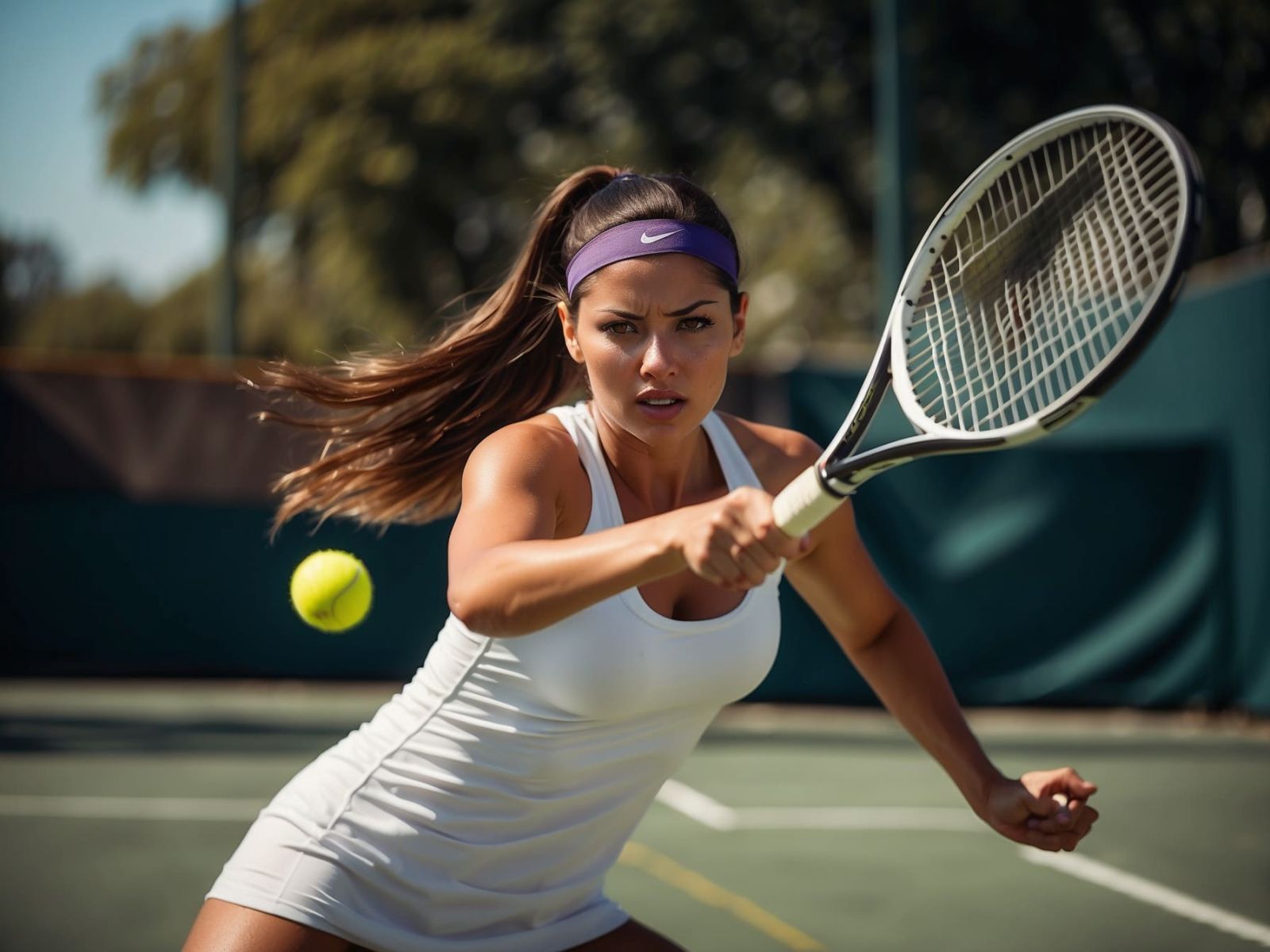
Common Symptoms of Tennis Elbow
Tennis elbow can cause a range of symptoms that typically develop gradually and may affect daily activities. These symptoms include:
- Pain: Pain usually occurs on the outer side of the elbow and may intensify during certain movements, such as clenching a fist or twisting the wrist. The pain can become so severe that it restricts the performance of everyday tasks.
- Limited Mobility: Tennis elbow can lead to limited mobility in the arm and wrist, especially during certain activities. Movement restrictions may impact sports activities and work tasks.
- Weakness: A feeling of weakness in the forearm is a common symptom of tennis elbow. This weakness can make it difficult to perform daily tasks, such as lifting objects or performing fine movements.
- Tenderness: The area around the elbow becomes sensitive to touch. Touching or pressing on the affected area may cause discomfort or even increase pain.
- Swelling: In some cases, there may also be swelling around the elbow. Swelling is often due to inflammation and may contribute to pain and discomfort.
Treatment of Tennis Elbow
Early treatment and appropriate rehabilitation can help prevent further worsening of the condition and allow for quicker and more effective recovery. Treating tennis elbow requires a comprehensive approach that includes various methods to relieve pain, reduce inflammation, and promote the recovery of the affected muscles and tendons. Below are some effective approaches to treating tennis elbow:
- Rest: One of the most important steps in treating tennis elbow is resting the affected arm and wrist. Limiting repetitive movements and pain-causing activities allows muscles and tendons time to recover and heal.
- Ice: Applying ice to the affected area is an effective method to reduce pain and inflammation. Ice can decrease swelling and discomfort and speed up the healing process.
- Physiotherapy: Physiotherapy treatments are essential for managing tennis elbow. Manual, instrumental therapy, and specialized therapeutic exercises can help release tension in muscles and tendons, promote blood flow to the affected area, and accelerate tissue regeneration.
- Pain Relievers: In some cases, a doctor may recommend anti-inflammatory medications to relieve pain and reduce inflammation. However, these medications should only be taken as directed by a doctor.
- Kinesio and Dynamic Taping: Using elastic bands around the forearm can help relieve the affected muscles and tendons and support their recovery process. These tapes can also prevent further injuries during activities.
- Activity Modification: An important part of treating tennis elbow is modifying activities that cause pain. Temporarily stopping or adjusting the intensity and manner of performing activities can help prevent further injury and allow for faster recovery.

If the symptoms of tennis elbow do not improve or even worsen despite the approaches mentioned above, it is crucial to seek professional help from a doctor or physiotherapist. Early treatment and appropriate rehabilitation can prevent chronic issues and allow for quicker and more effective recovery.