

Sports physiotherapy
Stretching the Hamstring Muscles
The hamstring muscles, often referred to as hamstrings, are essential muscles on the back of the thighs involved in various movements. These muscles are often prone to tightness, which can lead to discomfort, reduced flexibility, and an increased risk of injury. In this article, we will explain the importance of stretching the hamstring muscles, present some effective exercises, and highlight how regular stretching can enhance physical fitness and overall well-being.
Hamstring Muscles
The hamstring muscles, also known as hamstrings, consist of three muscles: the biceps femoris, semitendinosus, and semimembranosus. These muscles are located at the back of the thigh and stretch from the pelvic bone to the bones of the lower leg. Their primary function is knee flexion and hip extension, making them essential for various lower body movements. The biceps femoris is the most lateral muscle in the group and has two heads – a long head and a short head. The long head originates from the ischial part of the pelvis, while the short head originates from the femur. The semitendinosus and semimembranosus are positioned more medially, both originating from the ischial part of the pelvis.
Due to their role in fundamental movements such as walking, running, jumping, and lifting, the hamstring muscles are often subjected to significant strain. This can lead to tension and injuries, especially in athletes or individuals engaging in physical activities without proper stretching. Regular stretching of the hamstring muscles is crucial for maintaining their flexibility and preventing injuries. Stretching helps release tension, improve blood circulation in the muscles, and increase the range of motion. Additionally, proper stretching can contribute to better balance and body stability, reducing the risk of falls and injuries.

In the following, we will introduce you to various stretching techniques for the hamstring muscles that will help you keep these muscles in excellent condition.
Why is stretching the hamstring muscles important?
Regular stretching of the hamstring muscles provides numerous benefits for your body. Stretching not only improves muscle flexibility and mobility but also contributes to better overall health and well-being.
- Improved flexibility and mobility: Stretching helps increase the length of muscles and tendons, directly impacting body mobility and flexibility. Flexible muscles allow for a greater range of motion in the joints, making daily activities and exercises easier. For example, long and flexible hamstring muscles make it easier to sit, bend, or lift objects off the ground. Additionally, stretching reduces stiffness and increases muscle elasticity, meaning the muscles can adapt more easily to sudden movements, reducing the risk of strains or injuries.
- Injury prevention: One of the main benefits of stretching the hamstring muscles is injury prevention. Tight muscles are more prone to injuries such as strains or tears. When muscles are tight, their range of motion is limited, increasing the risk of injury during physical activity. Regular stretching helps keep the muscles flexible and ready for various physical activities. This reduces the risk of acute injuries like muscle strains and chronic problems that can arise from prolonged muscle tension and imbalances in the body.
- Reduction of back pain: The hamstring muscles are closely connected to the pelvic region and the spine. When these muscles are tight, they can pull the pelvis downward and cause spinal misalignment. This can lead to back pain and other spinal issues. Stretching the hamstring muscles helps relieve tension in these muscles, which can improve the alignment of the pelvis and spine and reduce back pain. Additionally, regular stretching can contribute to better posture and less strain on the spine during daily activities.
- Enhanced athletic performance: More flexible muscles allow for better execution of athletic activities. When muscles are flexible, they can achieve a greater range of motion, contributing to the optimal performance of various sports movements. For example, flexible hamstring muscles allow for longer and smoother strides when running, which can improve your speed and endurance. In weightlifting, muscle flexibility enhances balance and stability, reducing the risk of injury and enabling heavier lifts. Stretching also promotes faster muscle recovery after exercise by increasing blood flow and oxygen to the muscles, speeding up the removal of waste products, and reducing muscle fatigue.

Stretching the hamstring muscles is essential for improving overall physical fitness, preventing injuries, reducing back pain, and enhancing athletic performance. With simple and regular stretching exercises, you can significantly contribute to better well-being and the health of your muscles and body as a whole.
Basic Hamstring Stretching Exercises
1. Strap Stretch
- Description: Lie on your back with one leg extended on the floor and the other raised. Use a strap, towel, or elastic band to hold the raised leg.
- Tips: Pull the leg toward you until you feel a stretch. Hold for 20–30 seconds and repeat with the other leg. Ensure the extended leg remains flat and relaxed on the floor.
- Benefits: Increases the length of the hamstring muscles and improves flexibility. Helps alleviate tightness and enhance range of motion.
2. Standing Stretch
- Description: Place one leg on an elevated surface, such as a chair or bench, with the knee extended. Slowly lean forward.
- Tips: Keep your back straight and avoid rounding your spine. Hold for 20–30 seconds and repeat with the other leg. Ensure your weight is evenly distributed during the stretch.
- Benefits: Improves hamstring flexibility and lower back mobility. Increases stability and balance, contributing to better control during physical activities.
3. Seated Forward Bend
- Description: Sit on the floor with your legs extended in front of you. Slowly lean forward and try to reach your toes.
- Tips: If you can’t reach your toes, grab your shins or knees. Hold the position for 20–30 seconds. Focus on exhaling to achieve a deeper stretch.
- Benefits: Enhances flexibility in the hamstrings and lower back. Helps improve posture and reduce tension in the spine.
4. Standing Forward Bend
- Description: Stand with your feet hip-width apart. Slowly bend forward from the waist and try to touch the ground with your hands.
- Tips: Keep your knees slightly bent if you feel too much tension. Let gravity do the work and hold for 20–30 seconds. Breathe deeply and relax your muscles.
- Benefits: Improves lower back and hamstring flexibility. Helps reduce lower back tension and enhances blood flow to the lower body.
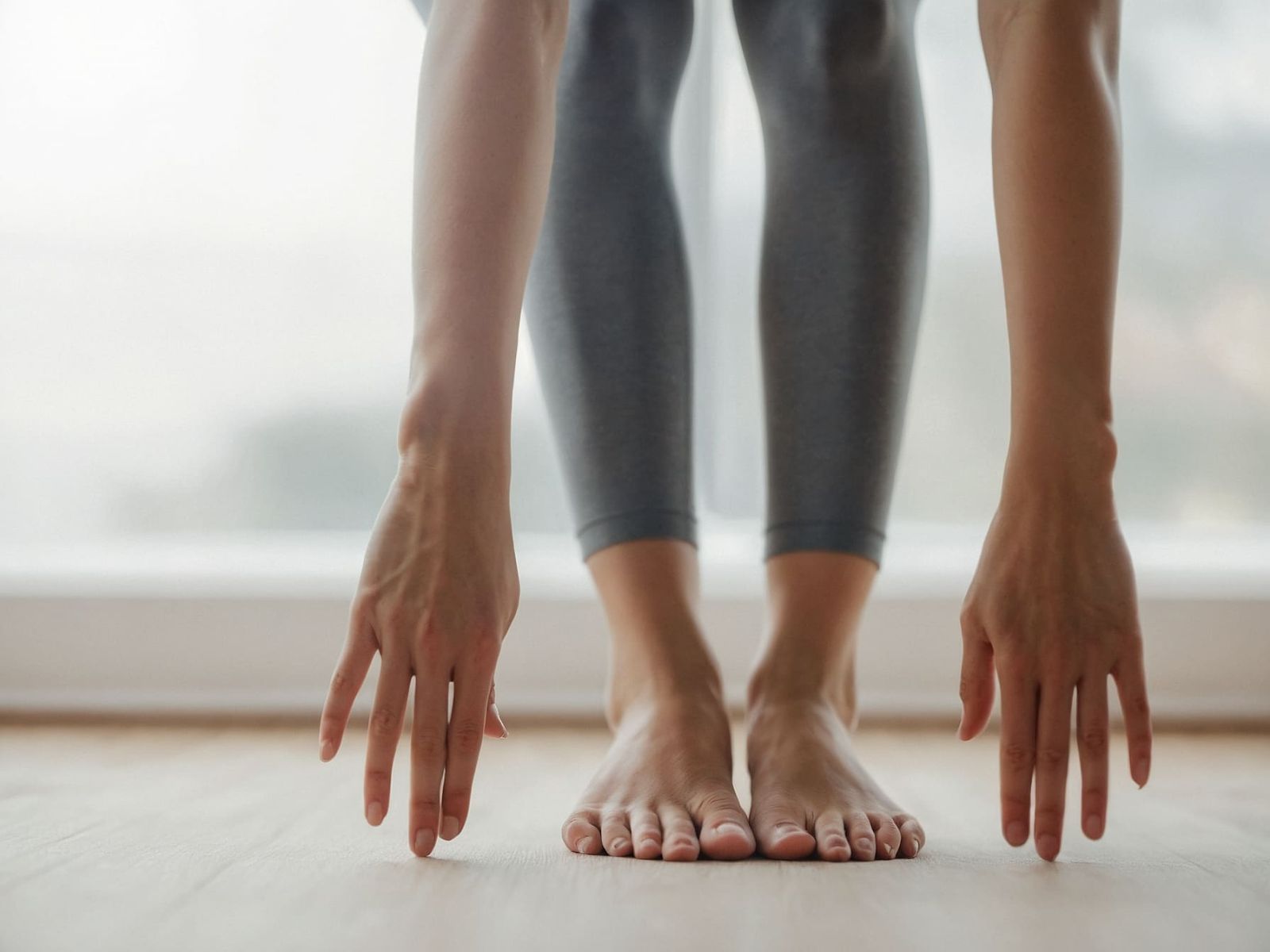
Performing these exercises regularly helps maintain the flexibility of the hamstring muscles, prevent injuries, and improve overall physical fitness. Remember, consistency is key to achieving the best results, so incorporate these stretches into your regular workout routine.
Advanced Techniques for Hamstring Stretching
Hamstring stretching isn’t limited to static exercises. For even better results and increased flexibility, you can include advanced techniques such as dynamic stretching and PNF (Proprioceptive Neuromuscular Facilitation).
Dynamic Stretching
Dynamic stretching involves moving through the full range of motion to warm up muscles and increase blood flow. This type of stretching is particularly useful as part of a warm-up before physical activity, as it enhances flexibility and prepares the muscles for intense exercise. An example of dynamic stretching for the hamstrings is the "leg swing":
- Description: Stand on one leg and gently swing the other leg forward and backward to stretch the hamstrings. The movement should be smooth and controlled, without jerking.
- Tips: Ensure balance and stability. If necessary, hold onto a wall or chair with one hand. Repeat the motion 10–15 times with each leg.
- Benefits: Increases flexibility, improves blood circulation, and prepares the muscles for physical activity. Dynamic stretching also enhances coordination and balance, which is beneficial for executing more complex sports movements.
PNF (Proprioceptive Neuromuscular Facilitation)
PNF is a stretching technique that involves alternating muscle contraction and relaxation to achieve a deeper stretch. This method is highly effective for increasing range of motion and muscle flexibility and is commonly used in physiotherapy and sports rehabilitation.
- Description: Lie on your back and lift one leg. A partner gently pushes the raised leg toward you while you apply opposing pressure (isometric contraction) for about 5–10 seconds. Then relax the muscle, and the partner gently pushes the leg further to achieve a deeper stretch. Hold the position for 20–30 seconds and repeat 2–3 times on each leg.
- Tips: Coordination with the partner is crucial, and the muscle contraction and relaxation should be gradual. Ensure the stretch is not painful but comfortable.
- Benefits: Increases range of motion and muscle flexibility. PNF stretching is especially useful for improving muscle strength and flexibility and for faster rehabilitation after injuries.
Benefits of Advanced Stretching Techniques
Dynamic and PNF stretching offer numerous benefits:
- Increased flexibility: Both techniques help expand the range of motion, contributing to better movement and execution of physical activities.
- Better workout preparation: Dynamic stretching is ideal as part of a warm-up, as it boosts circulation and prepares the muscles for intense exercise.
- Faster rehabilitation: PNF stretching is highly effective in restoring muscle functionality and flexibility after injuries.
- Improved muscle coordination: Both techniques enhance coordination between muscles, contributing to better body control and balance.

Incorporating advanced stretching techniques into your workout routine can further improve flexibility, prevent injuries, and enhance athletic performance. Regular practice of these exercises contributes to overall physical fitness and better well-being.
Common Mistakes in Stretching
Stretching is essential for maintaining flexibility and preventing injuries, but common mistakes during stretching exercises can reduce their effectiveness or even cause injuries. Here are some of the most frequent mistakes in stretching and tips on how to avoid them.
- Overstretching: One of the most common mistakes is overdoing it, where individuals attempt to reach positions that are too demanding for their muscles. Stretching should be pleasant, not painful. A feeling of tension is normal but should not cause pain. If you feel pain, reduce the intensity of the stretch. Stretching is effective when performed moderately and with a gradual increase in the range of motion. Overstretching can lead to muscle or tendon strains or even joint injuries, resulting in long-term issues and movement restrictions.
- Fast Pace: Avoid quick, jerky movements while stretching. Rapid stretching does not allow muscles to adapt and relax gradually. Stretch slowly and in a controlled manner. Focus on slow breathing and gradually increase the stretch. Slow movements help the muscles relax and stretch effectively, increasing flexibility and reducing the risk of injuries. A fast pace can cause micro-tears in muscles and tendons, leading to pain and a higher risk of injuries.
- Improper Technique: Incorrect execution of stretching exercises is a common mistake that can reduce their effectiveness and increase the risk of injuries. Make sure to perform the exercises correctly. If unsure about the technique, consult a fitness expert or physiotherapist. Pay attention to proper body alignment and avoid unnatural positions that may strain joints and muscles. Improper technique can result in muscle, joint, and tendon injuries and lead to long-term flexibility issues.
- Lack of Warm-Up: One of the most important preparatory activities before stretching is warming up the muscles, which is often overlooked. Always warm up before stretching to prepare the muscles and reduce the risk of injuries. Warming up can include light cardio exercises like walking, jogging in place, or cycling, which increase blood flow to the muscles and prepare them for stretching. Stretching cold muscles can lead to muscle injuries, as unheated muscles are less flexible and more prone to damage.
- Other Tips for Effective Stretching: Stretching should be a regular part of your workout routine. Consistency is key to achieving and maintaining flexibility. Tailor your stretching to your individual needs and fitness level. Everyone has different capabilities, so avoid comparing yourself to others. Breathe deeply during stretching. Breathing helps relax the muscles and improve the effectiveness of the stretch.

By following these tips and avoiding common stretching mistakes, you can improve your flexibility, reduce the risk of injuries, and enhance your overall physical fitness. Stretching should be enjoyable and safe, allowing you to fully benefit from its advantages.
When and How Often Should You Stretch?
Stretching should be a part of every workout routine and overall maintenance of physical flexibility. For optimal results, it is important to include stretching in your daily routine or at least several times a week. Regular stretching helps keep muscles flexible, reduces the risk of injuries, and improves physical fitness.
- Frequency of Stretching: Daily stretching: Ideally, stretch daily to maintain consistent flexibility and prevent muscle tightness. Daily stretching can include short sessions in the morning, during the workday, and in the evening. If daily stretching doesn’t suit you, try to stretch at least three to four times a week. This is still frequent enough to maintain flexibility and reduce the risk of injuries.
- Timing of Stretching: Stretching before exercise can be part of a warm-up, but it should involve dynamic stretches with fluid movements. This helps warm up the muscles and increase the range of motion. Examples of dynamic stretches include leg swings or arm circles. Static stretching after exercise helps relax the muscles, reduce muscle tension, and promote recovery. After exercise, muscles respond better to stretching as they are already warmed up and flexible. If you have a sedentary job, it’s beneficial to stretch several times a day to prevent muscle tightness and improve circulation. Short stretching sessions lasting a few minutes can greatly enhance your well-being.
- Duration and Repetitions: Hold each stretch for 20-30 seconds. This is sufficient for the muscle to feel the stretch and relax. Repeat each stretch 2-3 times on each side. Repetitions help achieve a deeper stretch and improve flexibility.
- Adapting Your Stretching Routine: Adjust the frequency and intensity of stretching to your physical needs. If certain muscle groups are more tense, dedicate more attention to them. Tailor your stretching to your activity level. If you are highly active or engage in sports, you may need more stretching to maintain flexibility. If you are less active, regular stretching is equally important to prevent tightness and improve overall well-being.
- Additional Stretching Tips: Listen to your body: Pay attention to your body’s signals while stretching. If you feel pain, reduce the intensity of the stretch. Stretching should be enjoyable and pain-free. Consistency: Regular stretching is the key to success. Incorporate stretching into your daily routine to maintain and improve your flexibility. Variety of exercises: Include different stretching exercises targeting various muscle groups to achieve overall body flexibility.

Stretching is an important part of maintaining general health and fitness. Regular and proper stretching improves flexibility, reduces the risk of injuries, and contributes to overall well-being.
Benefits of Regular Hamstring Stretching
Regular hamstring stretching offers numerous benefits that go beyond improved flexibility. Stretching not only enhances physical fitness but also promotes overall health and well-being. Let’s take a closer look at how regular stretching affects the body and mind.
- Improved Posture: Tight hamstrings can cause pelvic misalignment, affecting the entire body’s posture. Regular stretching of these muscles helps maintain proper pelvic alignment, thereby improving posture. Better posture not only reduces spinal strain and prevents back pain but also promotes a more confident and open appearance.
- Reduced Muscle Tension: Hamstrings are often prone to tension due to prolonged sitting, intense physical activity, or lack of movement. Regular stretching helps relax these muscles, reducing stiffness and discomfort. Relaxed muscles allow for easier and more comfortable movement and reduce the risk of muscle cramps.
- Improved Overall Fitness: Regular stretching contributes to greater muscle flexibility and mobility, which are essential for improving overall fitness. Flexible muscles facilitate better performance in various physical activities, from daily tasks to sports. This means a lower risk of injuries and greater efficiency in executing exercises and sports disciplines.
- Increased Mental Relaxation: Stretching benefits not only the body but also the mind. During stretching, blood flow increases, which helps lower stress hormone levels and promotes relaxation. Moreover, stretching encourages deep breathing, further enhancing the sense of calm and relaxation. Regular stretching can thus become an effective way to reduce stress and improve mental well-being.
- Better Overall Well-Being: Stretching has many positive effects on overall well-being. Increased flexibility, reduced muscle tension, and improved posture contribute to better physical comfort. The mental relaxation brought about by stretching enhances mood and helps tackle daily challenges. Together, these effects support a more balanced and healthy lifestyle.
- Injury Prevention: Flexible muscles are less prone to injuries such as strains and tears. Regular stretching helps maintain muscle and tendon elasticity, reducing the risk of acute and chronic injuries. This is particularly important for athletes and individuals engaging in physically demanding activities, as it helps maintain a high fitness level and prevent injuries.
- Improved Circulation: Stretching promotes blood flow in the muscles, improving oxygen and nutrient delivery and accelerating the removal of waste products. This supports faster muscle recovery after workouts and reduces muscle fatigue. Improved circulation also benefits overall cardiovascular health.
- Body-Mind Coordination: Regular stretching improves body awareness, as it requires focus on the correct execution of exercises and the sensation of muscle tension. This enhances the connection between body and mind, contributing to better body control and coordination.

Regular hamstring stretching is essential for maintaining holistic health and fitness. Improved posture, reduced muscle tension, increased mobility and flexibility, and mental relaxation contribute to better overall well-being. By incorporating stretching into your daily routine, you can achieve a more balanced and healthier body while also enhancing your physical and mental health.