

Massages
Sports Massage: How It Is Performed and Its Effects on the Body?
Sports massage is a specialized type of massage designed for athletes and active individuals engaged in intensive physical activity. While many seek this type of massage after injuries, sports massage has a much broader range of applications and benefits. In this article, we will explore what sports massage is, how it works, and how it can positively impact your body.
What Is Sports Massage?
Sports massage is a specialized massage technique focused on treating the soft tissues of the body, such as muscles, tendons, and connective tissue. This type of massage is used by athletes and active individuals for various purposes, including preparing the body for sports activities, preventing injuries, speeding up recovery after intense workouts or competitions, and improving overall physical performance. One of the main characteristics of sports massage is its adaptation to the specific needs of the individual. This means that the massage can target specific problem areas or focus on particular goals, such as enhancing flexibility, reducing muscle tension, or boosting blood circulation. The techniques used in sports massage are varied and include:
- Kneading: Involves manipulating muscles and tissues to relieve tension and improve circulation. Kneading helps break down muscle knots and increase muscle elasticity.
- Pressure Application: Applying steady pressure to specific points on the body helps release deeper layers of muscles and connective tissue. Pressure can also stimulate blood circulation and aid in removing waste products from the body.
- Tapping: Involves rapid tapping or striking of the body with palms, fingers, or fists. Tapping stimulates the nervous system, increases circulation, and can boost energy levels in the body.
- Stretching: Is an essential part of sports massage as it helps increase flexibility and range of motion in the joints. This is particularly important for athletes, as it provides greater freedom of movement and helps prevent injuries.
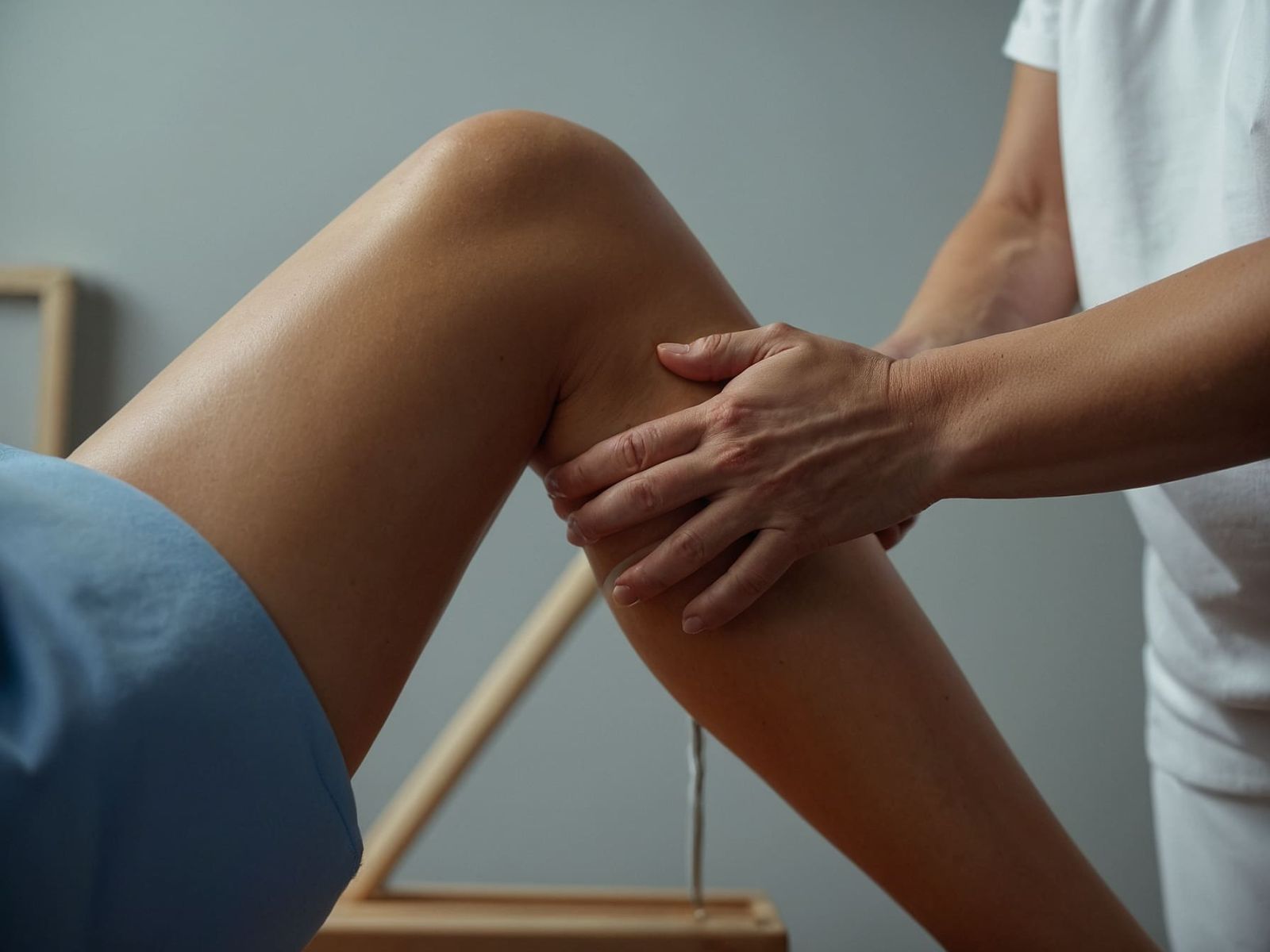
Sports massage is not only intended for professional athletes but also for active individuals who engage in intense physical activities. It provides numerous benefits, from improved physical performance to faster recovery after injuries.
How Does Sports Massage Work?
The process of sports massage is tailored to the individual's needs, depending on goals, training or recovery phases, and specific physical issues. However, the basic procedure of sports massage generally includes the following steps:
- Consultation and Assessment: Every sports massage begins with a discussion where the therapist gathers important information about the individual's health condition, sports activities, past injuries, and specific needs. This is followed by a physical assessment where the therapist evaluates muscle tension, asymmetries, joint range of motion, and any limitations. This assessment helps the therapist identify areas of the body that require special attention and determine the most effective technique.
- Warming Up: Before applying more intensive massage techniques, the therapist focuses on warming up the muscles. Warming up includes gentle massage techniques such as superficial kneading and rubbing, which increase blood flow in the muscles and tissues. This not only prepares the muscles for deeper treatments but also reduces the risk of injury and enhances the comfort of the massage.
- Main Massage Phase: This is the central part where the therapist uses various techniques tailored to the individual's needs. The therapist may use their palms, fingers, elbows, or special tools to achieve the desired results. During this phase, the therapist focuses on specific areas that are most stressed during sports activities, such as legs, back, or shoulders. The intensity and type of techniques are adjusted according to the individual's response and any pain or sensitivities.
- Stretching and Mobilization: After more intensive techniques, the next phase includes stretching and mobilization. Stretching involves passive and active techniques that help increase muscle flexibility and joint range of motion. This is crucial for injury prevention, as improved mobility reduces the risk of muscle strains or joint overloads. Mobilization is a technique focused on improving the functionality of joints and ligaments. The therapist may use gentle joint manipulations to increase their mobility and release tensions in the connective tissue.
- Cooling Down: The massage concludes with a cooling-down phase, where the therapist uses gentle massage techniques such as light rubbing or stroking to gradually calm the muscles and nervous system. Cooling down helps the body transition from a state of high activity to relaxation, contributing to optimal recovery and regeneration.
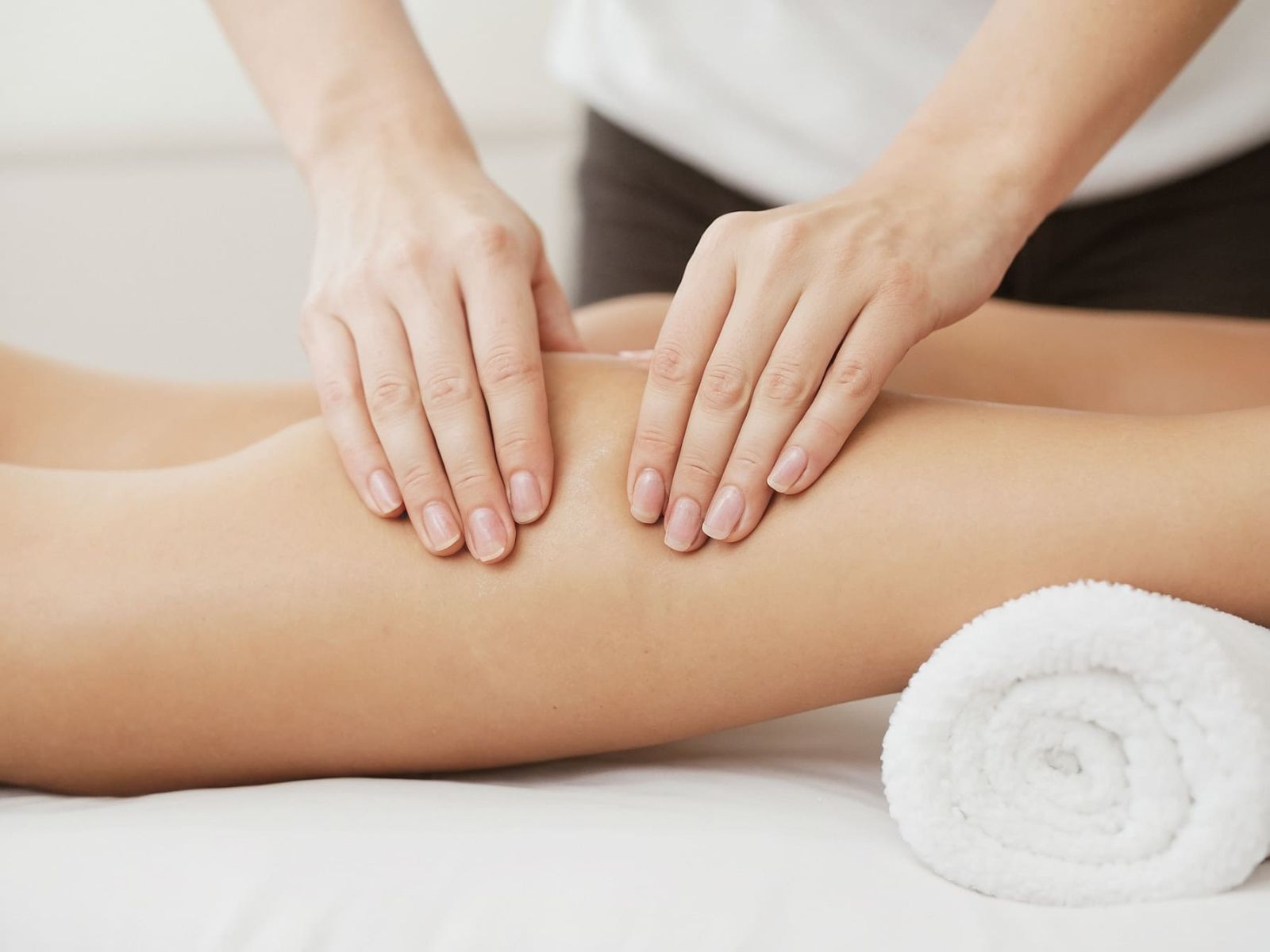
The entire process of sports massage is designed not only to relieve pain and tension but also to support overall physical performance and well-being.
The Impact of Sports Massage on the Body
Sports massage is more than just a method of relaxation; it provides numerous benefits that support physical fitness and overall health. Here are some of the main ways sports massage can positively impact your body:
- Improved Blood Circulation: One of the benefits of sports massage is improved blood circulation. Massage increases blood flow in muscles and tissues, delivering more oxygen and nutrients to cells. This is particularly important for athletes, as increased blood circulation helps remove toxins such as lactic acid, which accumulates in the muscles during intense exercise. As a result, muscles regenerate faster, reducing fatigue and enabling quicker recovery.
- Reduced Muscle Tension and Pain: Regular sports massage is an effective means of reducing muscle tension and relieving pain. Massage works by relaxing tight muscles, releasing muscle knots, and reducing feelings of stiffness. This is especially beneficial for athletes who face constant muscle strain, which can lead to chronic tension and pain. Additionally, massage promotes the release of endorphins, the body's natural painkillers, which further contribute to relief and relaxation.
- Increased Flexibility: Sports massage includes stretching techniques that can significantly improve joint and muscle flexibility. Increased flexibility is important for athletes as it allows for a greater range of motion, enhancing performance and reducing the risk of injury.
- Injury Prevention: Sports massage plays a crucial role in injury prevention. Regular massage reduces muscle tension and improves blood circulation, helping to prevent common sports injuries. Massage also helps identify and address muscular imbalances that can cause improper strain on muscles and joints, increasing the risk of injury. By relaxing tense muscles and improving body symmetry, massage contributes to better posture and balance.
- Enhanced Recovery: After intense training or competition, recovery speed is vital for athletes who wish to maintain their fitness. Sports massage can significantly accelerate the recovery process by reducing swelling, inflammation, and muscle fatigue. Massage stimulates lymphatic drainage, helping to remove excess fluid and toxins from the body, and improves blood circulation, speeding up the delivery of nutrients and oxygen to damaged tissues.
In addition to its physical benefits, sports massage also has a positive impact on an individual’s mental state. It helps reduce stress, improves sleep, and promotes overall well-being. Sports massage thus not only supports physical fitness and prevents injuries but also contributes to holistic health.
Who Is Sports Massage For?
Sports massage, though often associated with professional athletes, offers benefits to a wide range of individuals, regardless of their lifestyle or level of physical activity. In fact, anyone dealing with muscle tension, pain, or the need for improved physical performance and recovery can benefit from sports massage. Recreational runners and fitness enthusiasts are among those who can particularly take advantage of sports massage benefits. Regular running training or intensive fitness activities often lead to muscle fatigue, tension, or even injuries. In this context, sports massage not only alleviates pain but also improves muscle flexibility, accelerates recovery, and helps prevent future injuries. This enables recreational athletes to return to their activities more quickly, with less discomfort and greater efficiency. Individuals performing physically demanding jobs, such as construction workers, delivery personnel, or warehouse workers, often suffer from repetitive movements and physical strains that can cause chronic pain and muscle tension. Sports massage helps relax these overworked muscles, improves circulation, and reduces the risk of long-term injuries.
Office workers and others who spend long hours in a seated position could also address their issues through sports massage. A sedentary lifestyle often leads to tension in the neck, shoulders, and back muscles, which can cause chronic pain and poor posture. Sports massage helps relax these muscles, improve posture, and reduce stress caused by prolonged sitting. Moreover, massage promotes better blood circulation, contributing to improved oxygen and nutrient delivery to body tissues. Sports massage is suitable for all age groups, from teenagers involved in sports to older individuals seeking to maintain mobility and prevent age-related degenerative changes. It is also adapted to all fitness levels, meaning both complete beginners and elite athletes can benefit from it.

Whether you are a professional athlete, a recreational runner, a physical laborer, or an office worker, sports massage offers the opportunity to enhance your physical and mental well-being, contributing to a healthier and more balanced lifestyle.