

Neurological physiotherapy
Spinal stenosis: Symptoms, causes, and treatment
Spinal stenosis is a condition where the spinal canal narrows, causing pressure on the spinal cord and nerve roots. This narrowing can occur in various parts of the spine, most commonly in the lumbar (lower back) and cervical (upper back) regions. Spinal stenosis typically develops slowly, often as a result of aging and degenerative changes that affect the spine's structure. In this article, we will explore what spinal stenosis is, its symptoms and causes, and the treatment options available to manage this condition.
What is Spinal Stenosis?
Spinal stenosis is a condition where the spinal canal, through which the spinal cord passes, narrows, causing pressure on the spinal cord or nerve roots. This narrowing can occur in any part of the spine but is most commonly found in the lumbar (lower back) or cervical (neck) regions. When the space in the spinal canal decreases, increased pressure on the nerves can lead to symptoms such as pain, tingling, numbness, and muscle weakness. There are two main types of spinal stenosis:
- Cervical spinal stenosis: This narrowing occurs in the cervical spine and can cause symptoms such as neck pain, arm weakness, or balance problems.
- Lumbar spinal stenosis: This type occurs in the lower back and is the most common form of spinal stenosis. It causes lower back pain, tingling in the legs, and difficulty walking.
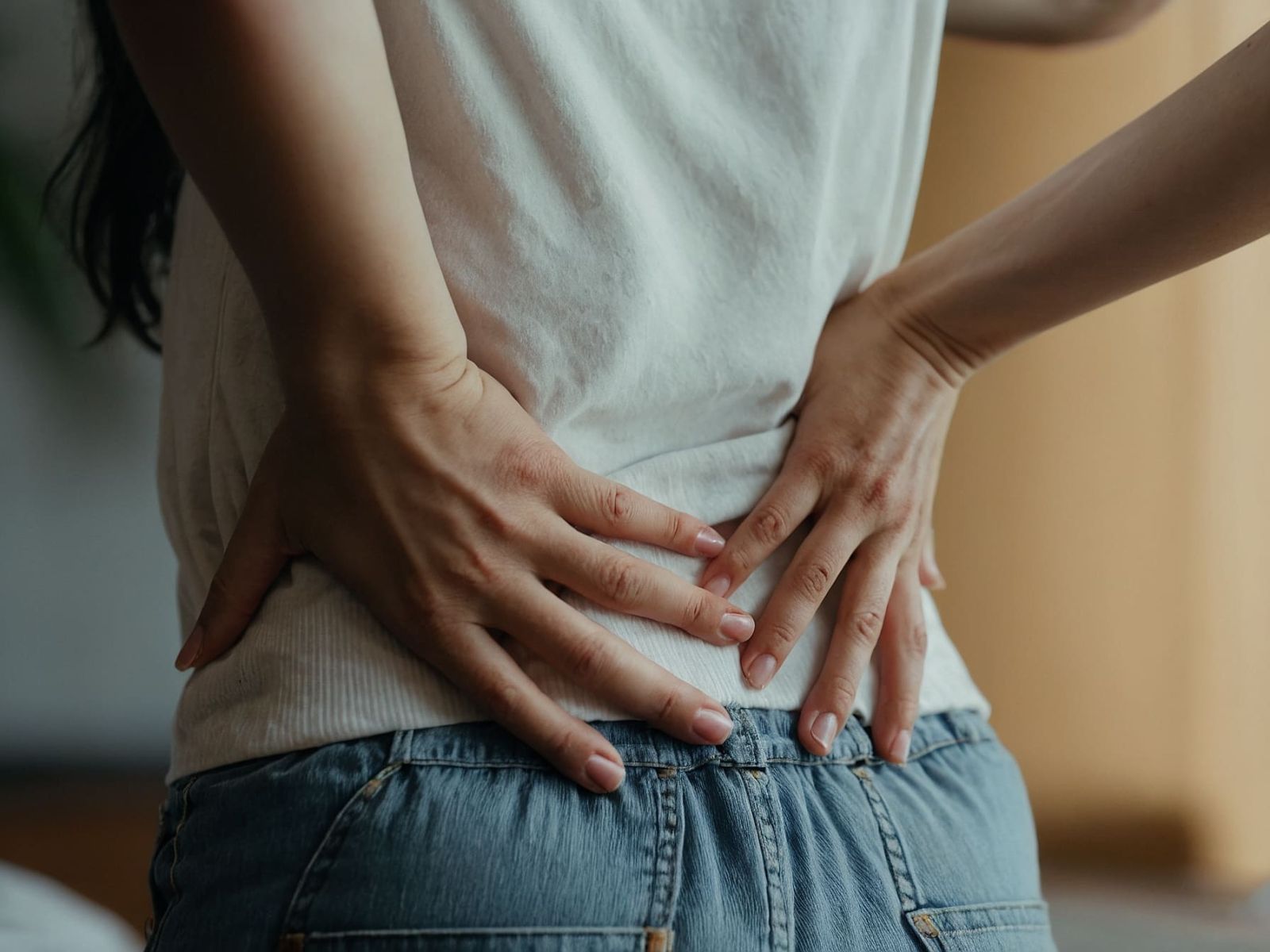
A normal spine allows sufficient space for the spinal cord and nerves to function smoothly. However, in spinal stenosis, the spinal canal narrows due to various factors.
Symptoms of Spinal Stenosis
Symptoms of spinal stenosis can vary depending on the affected part of the spine and the severity of the narrowing. Symptoms typically develop gradually and may worsen over time. Here are the most common symptoms of spinal stenosis:
- Pain in the back or neck: One of the most common symptoms is pain in the affected area of the spine. In lumbar stenosis, the pain usually occurs in the lower back and may radiate to the legs. In cervical stenosis, the pain occurs in the neck and may radiate to the shoulders and arms.
- Tingling and numbness: Narrowing of the spinal canal puts pressure on the nerve roots, which can cause tingling, burning sensations, or numbness in the limbs. In lumbar stenosis, these sensations primarily appear in the legs, while in cervical stenosis, they affect the arms and fingers.
- Muscle weakness: Pressure on the nerve pathways can lead to muscle weakness. People with spinal stenosis often experience reduced strength in the legs (in lumbar stenosis) or arms (in cervical stenosis), making activities like walking, lifting objects, or other daily tasks more difficult.
- Walking difficulties and balance issues: Pressure on the nerve structures in the lumbar spine can cause walking difficulties and balance problems. Some people describe feeling heavy or weak in their legs and the need to take frequent breaks while walking.
- Pain while walking or standing: Spinal stenosis can cause a condition called neurogenic claudication, where people experience pain or discomfort in their legs during prolonged walking or standing. The pain often subsides when sitting or bending forward, relieving pressure on the nerves.
- Loss of bladder or bowel control: In severe cases, especially with cervical spinal stenosis, neurological issues like loss of bladder or bowel control may occur. This condition requires immediate medical attention.

Symptoms of spinal stenosis typically worsen over time, especially as the narrowing of the spinal canal progresses. Early diagnosis and treatment can help prevent symptom progression and improve the quality of life for individuals with this condition.
Causes of Spinal Stenosis
Spinal stenosis can develop due to several factors that affect the structure of the spine. Here are the most common causes of spinal stenosis:
- Degenerative changes due to aging: One of the main causes of spinal stenosis is degenerative changes that occur with aging. Over time, intervertebral discs thin out, spinal joints wear down, and ligaments in the spine can thicken. These changes reduce the space in the spinal canal, leading to pressure on the nerves.
- Herniated disc: Intervertebral discs between the vertebrae act as shock absorbers and facilitate spinal movement. When a herniated disc (protrusion or rupture of the disc) occurs, material from the disc can press on nerve roots or the spinal cord, causing symptoms of spinal stenosis.
- Ligament thickening: Ligaments that help stabilize the spine can thicken due to degenerative changes. This further contributes to the narrowing of the spinal canal and increases pressure on nerve structures.
- Spinal injuries: Traumatic spinal injuries, such as vertebral fractures or vertebral slippage (spondylolisthesis), can cause stenosis. Such injuries can lead to structural changes in the spine, resulting in narrowing of the spinal canal.
- Congenital abnormalities: Some individuals naturally have a narrower spinal canal, predisposing them to developing spinal stenosis. Congenital narrowing of the spinal canal can increase the risk of earlier symptom onset, especially if additional factors like injuries or degenerative changes occur.
- Tumors and infections: In rare cases, tumors or infections in the spine can cause inflammation or tissue growth, putting pressure on the spinal cord or nerve roots. Tumors in the spine can lead to severe spinal stenosis that requires immediate treatment.
Understanding the causes of spinal stenosis helps in better planning treatment and preventing further deterioration. While degenerative aging is the most common cause, other factors can significantly influence the development of stenosis.
Treatment of Spinal Stenosis
Treatment for spinal stenosis depends on the severity of symptoms and the degree of spinal canal narrowing. Below are the main treatment methods used to manage spinal stenosis:
- Physical therapy: plays a crucial role in treating spinal stenosis. Rehabilitation programs include exercises to strengthen the back and abdominal muscles, which help stabilize the spine and reduce pressure on nerve roots. Therapists also use exercises to improve spinal mobility and correct posture, which can alleviate symptoms and enhance quality of life.
- Pain and anti-inflammatory medications: Doctors may prescribe nonsteroidal anti-inflammatory drugs (NSAIDs) to relieve pain and reduce inflammation caused by pressure on nerve roots. These medications can help alleviate pain and improve movement but do not address the root cause of stenosis.
- Steroid injections: Epidural steroid injections are often used to reduce inflammation around nerve roots and relieve pain. These injections can provide temporary relief and reduce symptoms such as pain, numbness, and tingling, allowing for more effective engagement in physical therapy.
- Surgical treatment: If conservative methods do not yield desired results and symptoms significantly impact quality of life, surgery may be necessary. The most common surgical method for treating spinal stenosis is decompressive laminectomy, where the surgeon removes part of the vertebra or ligaments to relieve nerve pressure. In some cases, spinal stabilization using screws and plates is required.
- Lifestyle changes: Maintaining a healthy weight, regular physical activity, and proper posture can help alleviate symptoms and prevent further deterioration. Avoiding activities that increase spinal pressure, such as heavy lifting, can reduce the risk of worsening the condition.

The treatment of spinal stenosis requires a comprehensive approach that includes a combination of conservative methods such as physical therapy and medication, as well as surgical interventions when necessary. Timely treatment can help reduce symptoms, improve spinal functionality, and enhance overall quality of life.