

Massages
Positive Effects of Massage
Massage, one of the oldest forms of healing, has been part of human culture for millennia. Its roots trace back to ancient civilizations such as Egypt, China, and India, where massages served as an essential part of traditional medicine. Today, massage is not merely a luxury or relaxation tool but a vital means of maintaining physical and mental health. In the modern world, where stress has become a constant, massage offers an oasis of peace and regeneration. Its positive effects extend far beyond relaxation, contributing to improved overall well-being, pain relief, better sleep, and even a strengthened immune system.
What is a massage?
Massage is a therapeutic practice involving the manual manipulation of body tissues such as muscles, ligaments, skin, and tendons to enhance a person's health and well-being. It is an ancient art that has evolved over centuries, now blending traditional techniques with the latest scientific advancements in medicine and physiotherapy. Massage not only includes various pressures, rubs, and kneading techniques but may also involve the use of vibrations, rolling motions, and even the application of heat and cold to achieve the desired effects.
Main Types of Massages and Their Characteristics
There are various types of massages tailored to meet individual needs:
- Swedish Massage: One of the most well-known and popular forms of massage, focusing on relieving muscle tension and improving blood circulation through long strokes, kneading, rubbing, and tapping on the superficial layers of the muscles.
- Deep Tissue Massage: Aims to release chronic tension patterns in the body by applying deep pressure to tight muscles, allowing for better blood flow and relaxation.
- Reflexology Massage: Based on the principle that specific points on the feet, hands, and ears are connected to other parts of the body. Stimulating these points promotes the function of internal organs and enhances overall well-being.
- Sports Massage: Specifically designed for athletes, this type of massage focuses on preventing and treating injuries and improving athletic performance by enhancing mobility and reducing muscle tension.
- Thai Massage: A combination of acupressure, yoga-like stretching exercises, and kneading, which energizes the body, improves flexibility, and deeply relaxes the muscles.
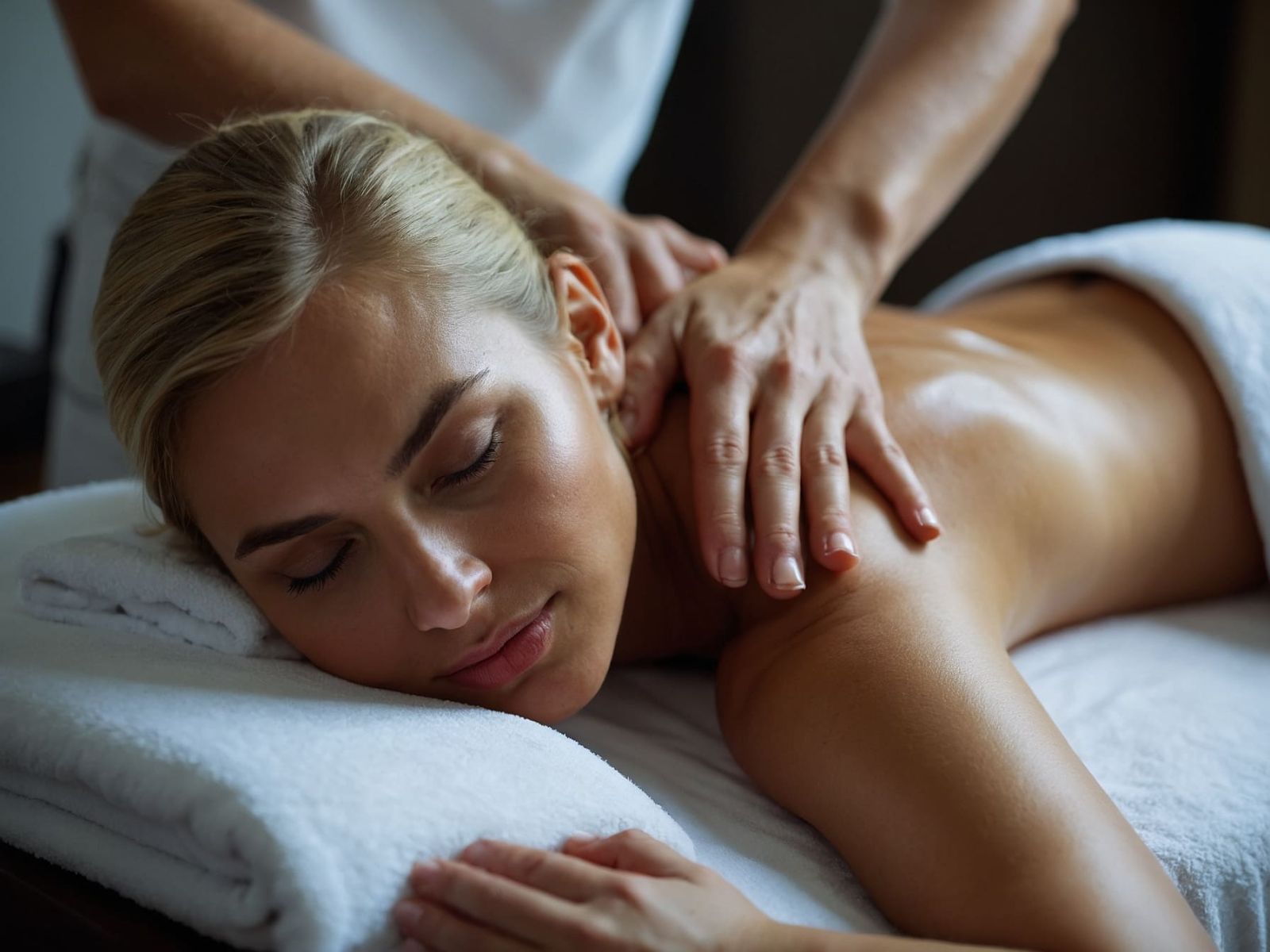
Each of these massage techniques offers specific benefits and can be tailored to meet individual needs and goals. It is important to choose the right type of massage that best suits your current health condition or wellness objectives.
Fundamental Principles of Massage
Despite the diversity of techniques and approaches, all types of massage share common fundamental principles aimed at enhancing bodily functions, improving circulation, relaxing muscles, and promoting a sense of overall well-being. These principles include:
- Improving blood circulation: Massage stimulates blood flow throughout the body, aiding in better oxygen and nutrient supply to tissues and the removal of waste products.
- Muscle relaxation: It reduces muscle tension and stiffness, leading to greater mobility and less pain.
- Enhancing the lymphatic system: Massage can assist in draining lymph, a fluid that contains waste products and toxins from bodily tissues, thus boosting the immune system.
- Reducing stress: By lowering stress hormones such as cortisol and adrenaline, massage helps calm the mind and improve well-being.
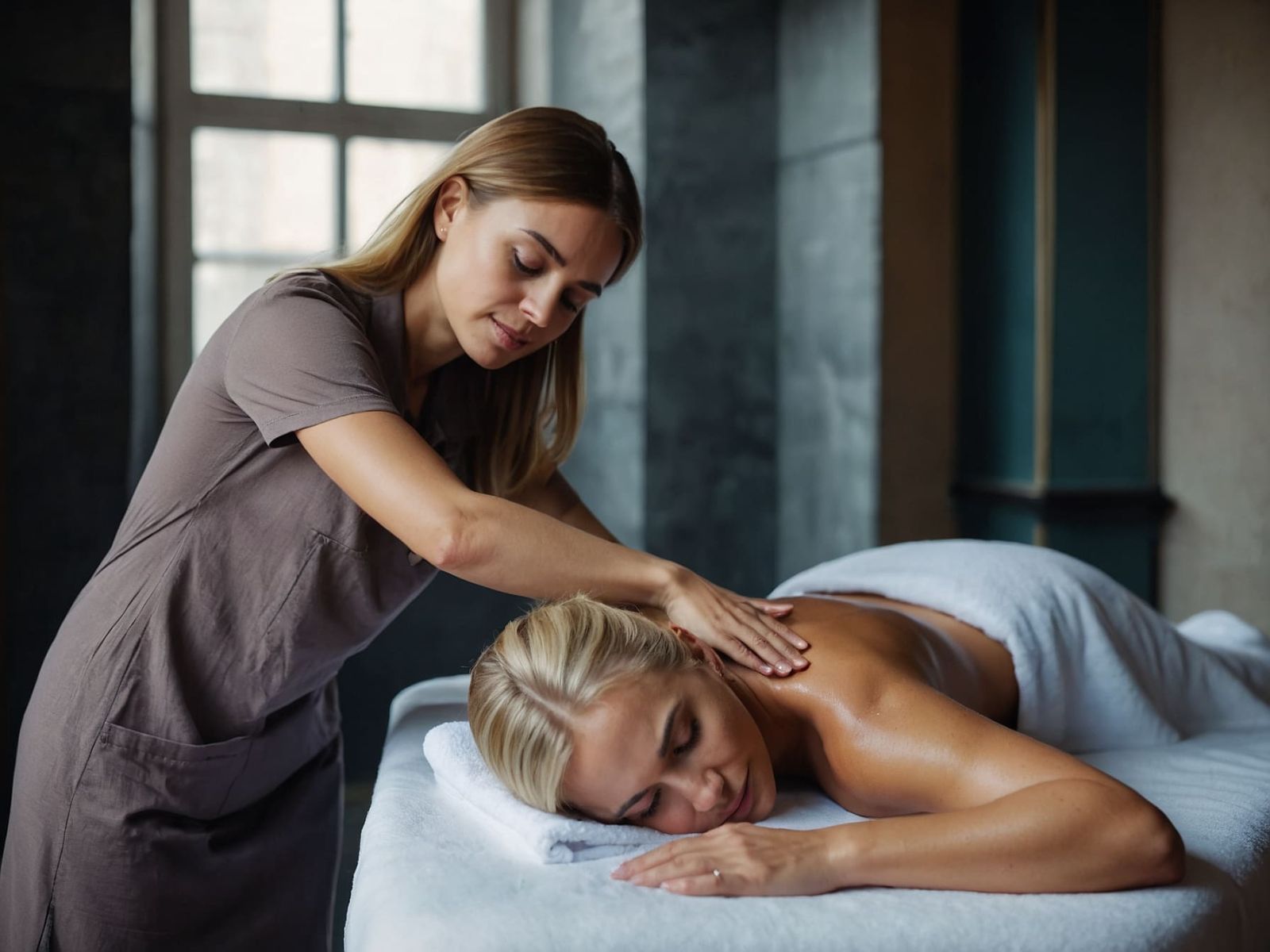
With regular massage, individuals can notice significant improvements in their physical condition, including pain reduction, enhanced flexibility, and improved overall bodily function.
Psychological Effects of Massage
In addition to numerous physiological benefits, massage also has psychological effects that can significantly enhance quality of life in various ways. Understanding these effects is crucial for a holistic approach to physical and mental health.
- Reduction of Stress and Anxiety: In modern society, where stress and anxiety are common daily companions, massage offers an effective tool to manage these conditions. Relaxation of the muscles and stimulation of the parasympathetic nervous system help reduce the production of stress hormones such as cortisol and adrenaline, leading to a sense of calm and relaxation. Studies have shown that regular massage can significantly reduce symptoms of anxiety and improve emotional well-being.
- Improved Sleep Quality: Sleep is fundamental to our physical and mental health, yet many people suffer from sleep disorders such as insomnia or interrupted sleep. Massage can improve sleep quality by reducing stress and physical tension, making it easier to transition into deeper sleep phases. As a result, individuals wake up feeling more refreshed and mentally clear.
- Impact on Mental Health and Well-Being: Massage not only reduces symptoms of anxiety and depression but also promotes feelings of happiness and satisfaction with life. This is partly due to the release of endorphins, the body's natural "feel-good" chemicals, during a massage. These "happiness hormones" can enhance mood and foster a positive outlook on life.
How to Choose the Right Type of Massage?
Selecting the right type of massage is crucial to achieving your desired outcomes, whether it's relaxation, pain relief, or improved mobility. Here are some steps to help you make the right decision:
- Understanding your needs: If you're looking for a massage to relax, a Swedish massage might be an excellent choice. For specific issues like chronic pain or muscle tension, a deep tissue massage or trigger point therapy may be more suitable.
- Considering specific health conditions: Pregnant individuals, athletes, or those with special medical conditions should seek massage therapists who specialize in their specific needs.
- Exploring different types of massages: Do some research on the various types of massages available in your area. Many studios and therapists provide descriptions of their services on their websites, which can assist in your decision-making process.
- Getting recommendations: Talk to friends, family members, or healthcare professionals who can recommend good massage therapists. Personal recommendations are often the best way to find reliable and skilled professionals.
Self-Massage: Techniques and Recommendations
While professional massage offers numerous benefits, self-massage can also effectively help with relaxation and tension relief. Self-massage is a great option for those looking to alleviate minor aches, enhance their sense of well-being, or simply incorporate a routine for maintaining flexibility and relaxation. Here are some techniques and recommendations for effective self-massage:
- Using massage tools: Massage balls or rollers are extremely useful for targeting deep muscles and hard-to-reach areas. Massage rollers are excellent for larger muscle groups like thighs, calves, and the back, while massage balls are better suited for specific areas such as shoulders, soles of the feet, and the neck region.
- Pressing and sliding technique: Start with gentle pressure and gradually increase the intensity until you find a point that is sensitive but still comfortable. Then gently slide along the area or in a circular motion to release tension.
- Stretching and kneading: Use your fingers or fists to gently knead the muscles and other tissues. This helps break up muscle knots and stimulate blood flow.
- Tapping: Gently tap the muscles with your hands or fingers. This technique helps relax and activate the muscles while promoting blood circulation.

Self-massage is an effective way to maintain well-being and can serve as a valuable complement to professional massages, especially during times when access to massage services is not possible. With regular practice and proper technique, self-massage can help promote physical and mental relaxation, improve sleep quality, and reduce symptoms of stress.