

Physiotherapy for Women
Physiotherapy during pregnancy
Pregnancy is a phase in a woman's life that brings numerous physical and hormonal changes. These changes often lead to various complaints, such as back pain, swollen legs, poor posture, and restricted mobility. Physiotherapy can significantly contribute to alleviating these issues and improving the overall well-being of the pregnant woman. In addition to pain relief, physiotherapy also helps prepare for childbirth and recovery afterward, as it includes exercises to strengthen the pelvic floor muscles and enhance physical fitness.
What is Physiotherapy during Pregnancy?
Physiotherapy during pregnancy is a tailored form of physiotherapy designed specifically for pregnant women to address physical changes associated with pregnancy. It aims to relieve pain, improve posture, strengthen muscles, and maintain overall well-being. Physiotherapists specializing in working with pregnant women use various techniques and methods that are safe for both the mother and the baby.
During pregnancy, a woman’s body undergoes changes due to hormonal influences that increase the elasticity of ligaments, preparing the body for childbirth. This can lead to greater joint instability, often causing pain, especially in the pelvic area and lower back. Additionally, the increased weight and pressure on the spine often result in issues such as sciatica and lower back pain. Physiotherapy helps alleviate these symptoms, enabling the expectant mother to better manage the physical challenges of pregnancy.
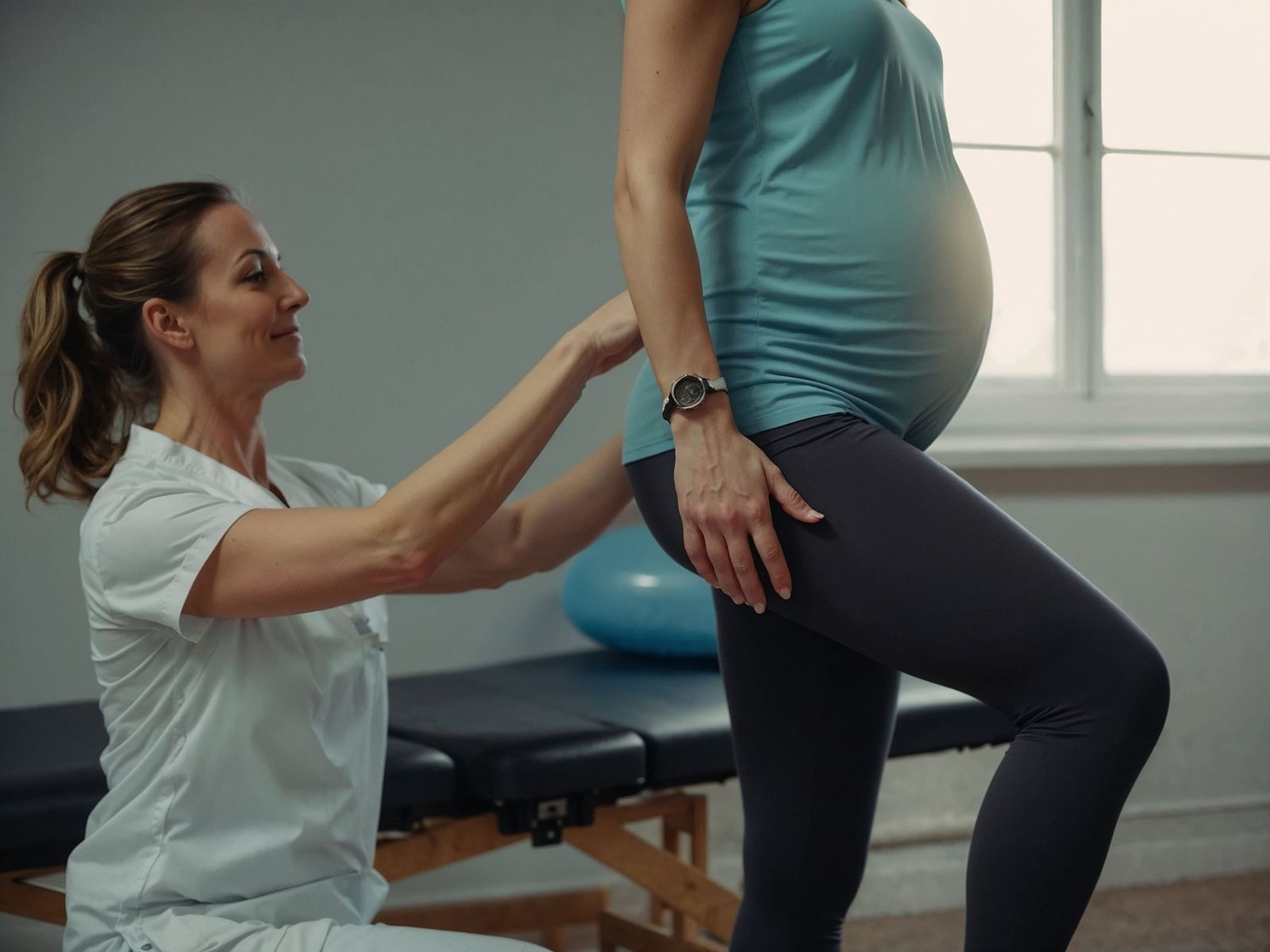
Physiotherapy during pregnancy is designed to enhance the physical and emotional well-being of pregnant women. Regular therapy sessions can reduce pain and prepare the body for childbirth.
Benefits of Physiotherapy during Pregnancy
Physiotherapy during pregnancy offers numerous benefits that help pregnant women stay active, avoid pain, and prepare for childbirth. Below are the main advantages of physiotherapy:
- Relief from back and pelvic pain: Pregnant women often experience back pain, particularly in the lower back, as well as pelvic ring pain. Physiotherapy helps alleviate tension and pressure in these areas through techniques such as manual therapy, strengthening exercises, and tailored stretching routines.
- Improvement of posture: The growth of the abdomen and the shift in the body's center of gravity can lead to poor posture. Physiotherapy helps improve body alignment and strengthens the muscles supporting the spine. Proper posture reduces joint strain and minimizes the risk of pain.
- Preparation of muscles for childbirth: Physiotherapy includes specific exercises to strengthen the pelvic floor muscles, which play an essential role during childbirth. These exercises help pregnant women gain strength and control over the muscles, facilitating delivery and reducing the risk of childbirth-related injuries.
- Reduction of leg swelling: Hormonal changes and the pressure of the growing uterus on blood vessels can cause leg swelling in pregnant women. Physiotherapy involves lymphatic drainage and other techniques that promote better blood and lymph flow, helping to reduce swelling.
- Reduction of stress and anxiety: In addition to physical benefits, physiotherapy positively impacts the mental well-being of pregnant women. Relaxation techniques such as breathing exercises and gentle massages help reduce stress and anxiety, which is particularly important during pregnancy.

Physiotherapy during pregnancy is not only aimed at relieving pain but also at preparing the body for childbirth and improving the overall well-being of pregnant women. Regular therapy sessions help maintain physical fitness and improve the quality of life during pregnancy.
Common Pregnancy-Related Issues Treated with Physiotherapy
During pregnancy, various issues can arise due to physical changes and increased pressure on specific body areas. Physiotherapy focuses on managing these issues and providing safe and effective solutions. Here are the most common problems addressed by physiotherapy:
- Back and pelvic pain: Hormonal changes that relax ligaments, combined with a growing belly, often lead to pain in the lower back and pelvic region. Issues like sacroiliac pain and lumbosacral discomfort are common. Physiotherapy helps alleviate these pains and improve mobility through manual techniques and targeted exercises.
- Sciatica: The enlarged uterus can put pressure on the sciatic nerve, causing pain in the buttocks and legs. Physiotherapists use stretching exercises and massage techniques to relieve nerve pressure and reduce pain.
- Rectus diastasis: This condition involves the separation of abdominal muscles due to the growing belly. Physiotherapy offers specific exercises to strengthen the deep abdominal muscles, aiding in the reunion of the muscles after childbirth.
- Balance issues: Due to the shift in the center of gravity and increased body weight, balance problems may occur. Physiotherapy includes exercises to strengthen stabilizers and improve coordination, helping pregnant women maintain safe movement.
- Carpal tunnel syndrome: Some pregnant women experience pain and numbness in their hands due to increased pressure on the wrist nerves. Physiotherapy includes exercises to relieve pressure and improve wrist mobility.

These complaints are common among pregnant women, but they can be managed with appropriate physiotherapy. With a targeted approach, pain can be reduced, and mobility can be improved.
Exercises and Techniques in Pregnancy Physiotherapy
Physiotherapy during pregnancy includes various exercises and techniques that are specifically adapted for safe execution during pregnancy. These exercises help maintain fitness, relieve pain, and prepare the body for childbirth. Here are some of the most common methods used by physiotherapists:
- Pelvic floor exercises: Exercises such as Kegel exercises are essential for strengthening the pelvic floor muscles, which support the bladder, uterus, and intestines. Strong pelvic floor muscles help prevent urinary incontinence during and after pregnancy and facilitate childbirth.
- Spinal stabilization exercises: Physiotherapists use exercises that help stabilize the spine, particularly in the lumbar and pelvic regions. Stabilization exercises are designed to strengthen the core muscles and reduce the strain on the lower back.
- Stretching exercises: Stretching is important for maintaining flexibility and reducing muscle tension. Physiotherapy includes stretching the muscles of the lower back, buttocks, and legs, which helps alleviate pain and improve flexibility.
- Breathing exercises: Proper breathing is crucial during pregnancy as it helps reduce stress and improve the body's oxygenation. Breathing techniques taught by physiotherapists also assist in preparing for childbirth by reducing tension and anxiety.
- Water-based exercises: are a safe and effective method for pregnant women, as they reduce pressure on the joints and spine. Water-based exercises allow for greater mobility and pain relief, which is especially beneficial in the third trimester of pregnancy.

Every pregnancy is unique, so physiotherapy exercises are tailored to the needs of each individual pregnant woman. With safe and effective physiotherapy techniques, women can improve their physical fitness, reduce discomfort, and better prepare for the arrival of their baby.
Safety Measures for Physiotherapy During Pregnancy
While performing physiotherapy during pregnancy, it is important to follow safety measures to ensure the health and safety of both mother and child. Here are some key safety guidelines:
- Avoiding exercises in a supine position after the first trimester: Lying on your back after the first trimester can put pressure on major blood vessels, reducing blood flow. Physiotherapists will recommend alternative positions, such as lying on your side or performing seated exercises.
- Preventing excessive strain: Exercise should be moderate and appropriate for the pregnant woman. Avoid high-impact exercises or heavy loads that could harm the joints or cause discomfort.
- Consultation with a specialist: Before starting physiotherapy, consult with a gynecologist or obstetrician to ensure that all exercises are safe for you and your baby. It is essential that the exercises are guided by a qualified physiotherapist who understands the needs of pregnant women.

Safety is crucial when performing physiotherapy during pregnancy. By following the guidelines and recommendations of professionals, physiotherapy can be conducted safely and effectively, contributing to the well-being and health of the expectant mother and child.