

Sports physiotherapy
Periostitis: Symptoms, Causes, and Treatment
The health of our bones is essential for maintaining an active and high-quality life. One of the most common bone-related issues is periostitis, which is particularly prevalent among athletes and highly physically active individuals. This article will guide you through everything you need to know about periostitis: from symptoms and causes to treatment methods and preventive measures.
What is Periostitis?
Periostitis, also known as inflammation of the periosteum, is an inflammatory condition affecting the periosteum – a thin layer of connective tissue that surrounds the bones. The periosteum contains nerves and blood vessels that supply nutrients and oxygen to the bones, which are essential for their growth and regeneration. When the periosteum becomes inflamed, it can cause pain, often concentrated in areas where muscles, tendons, and ligaments attach to the bones. Periostitis is particularly common in individuals engaged in activities that involve repetitive stress, such as running or jumping. This is because the forces generated during physical activity are absorbed by the bones and surrounding tissues, which can lead to irritation and inflammation over time.
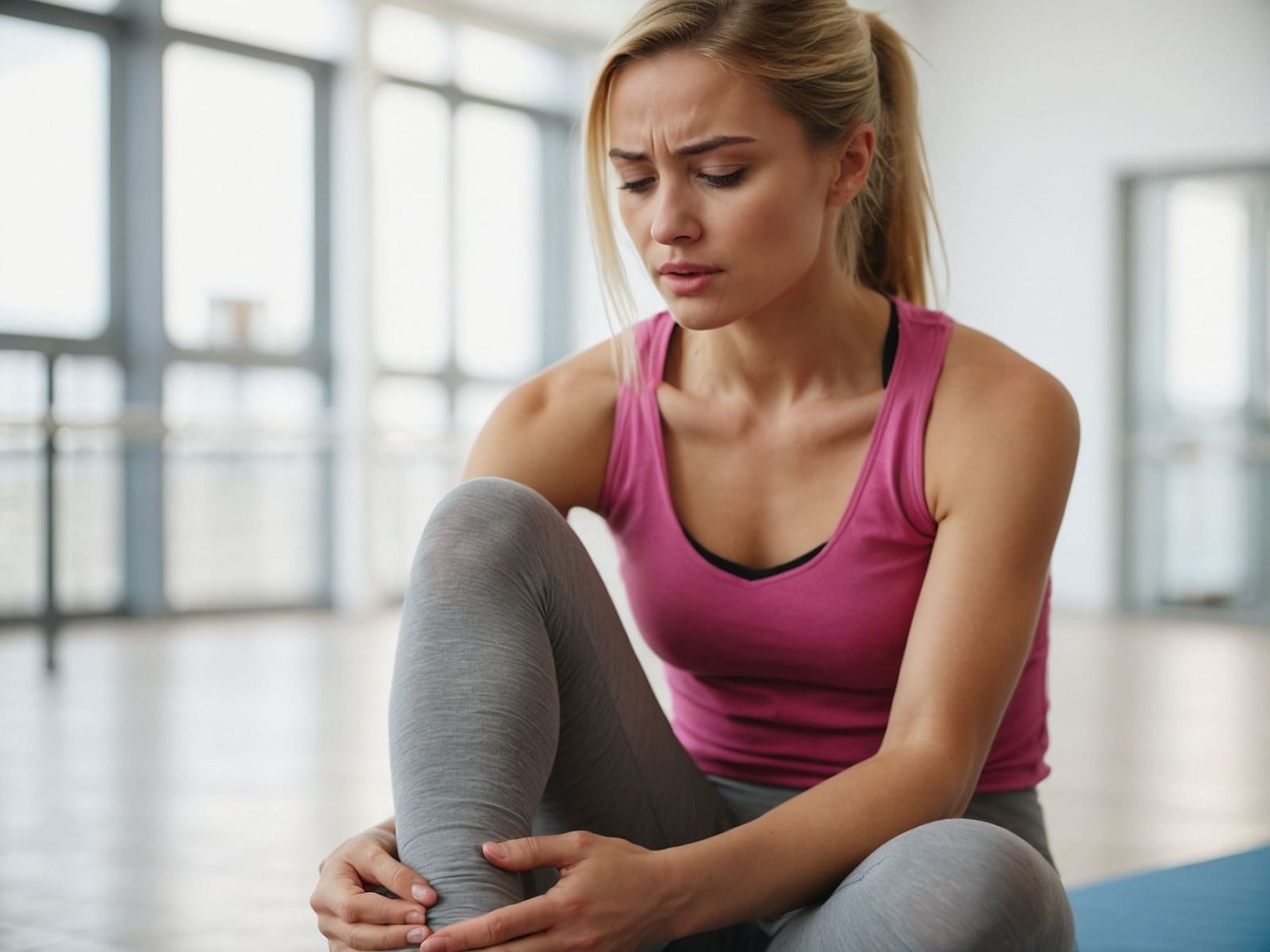
Pain from periostitis most commonly occurs at the front of the lower leg, around the shinbone. The signs and symptoms can range from mild discomfort to severe pain that may limit daily activities. The pain is typically sharper at the start of physical activity but may worsen and become constant if the condition is left untreated. Additionally, the area around the affected part may become tender to the touch, red, or swollen. Understanding how periostitis develops can help in recognizing early signs and taking action before the pain becomes too severe. Preventive measures and timely treatment are key to managing symptoms and reducing the risk of long-term damage.
Symptoms of Periostitis
The symptoms of periostitis can vary greatly depending on the extent of the injury and individual characteristics. However, some symptoms are more common and easier to recognize:
- Pain Along the Shinbone: The most characteristic symptom of periostitis is pain along the inner or front side of the shinbone. This pain can appear suddenly or gradually and is often sharp, increasing with continued activity. Interestingly, the pain may feel milder or even disappear at the start of exercise, misleading individuals to continue their activities. However, after the activity ends and the muscles cool down, the pain usually returns more intensely.
- Tenderness to Touch: The affected area on the shin becomes very sensitive, even to the slightest pressure. This can include discomfort when clothing brushes against the shin or when gentle pressure is applied with fingers.
- Swelling: In more pronounced cases, swelling may occur in the affected area. This swelling is often more noticeable after physical activity and may take some time to subside.
- Redness: The skin over the affected area of the periosteum may occasionally appear red, serving as a visible indicator of inflammation beneath the surface.
- Increased Pain After Activity: Pain typically worsens after prolonged physical activity such as running, jumping, or extended walking and can persist for hours or even days after the activity.
- Bone Pain During Intense Effort: In advanced or acute cases, the pain may become so severe that it significantly limits or completely prevents further activity. Pain may also persist at rest, indicating the need for urgent medical intervention.
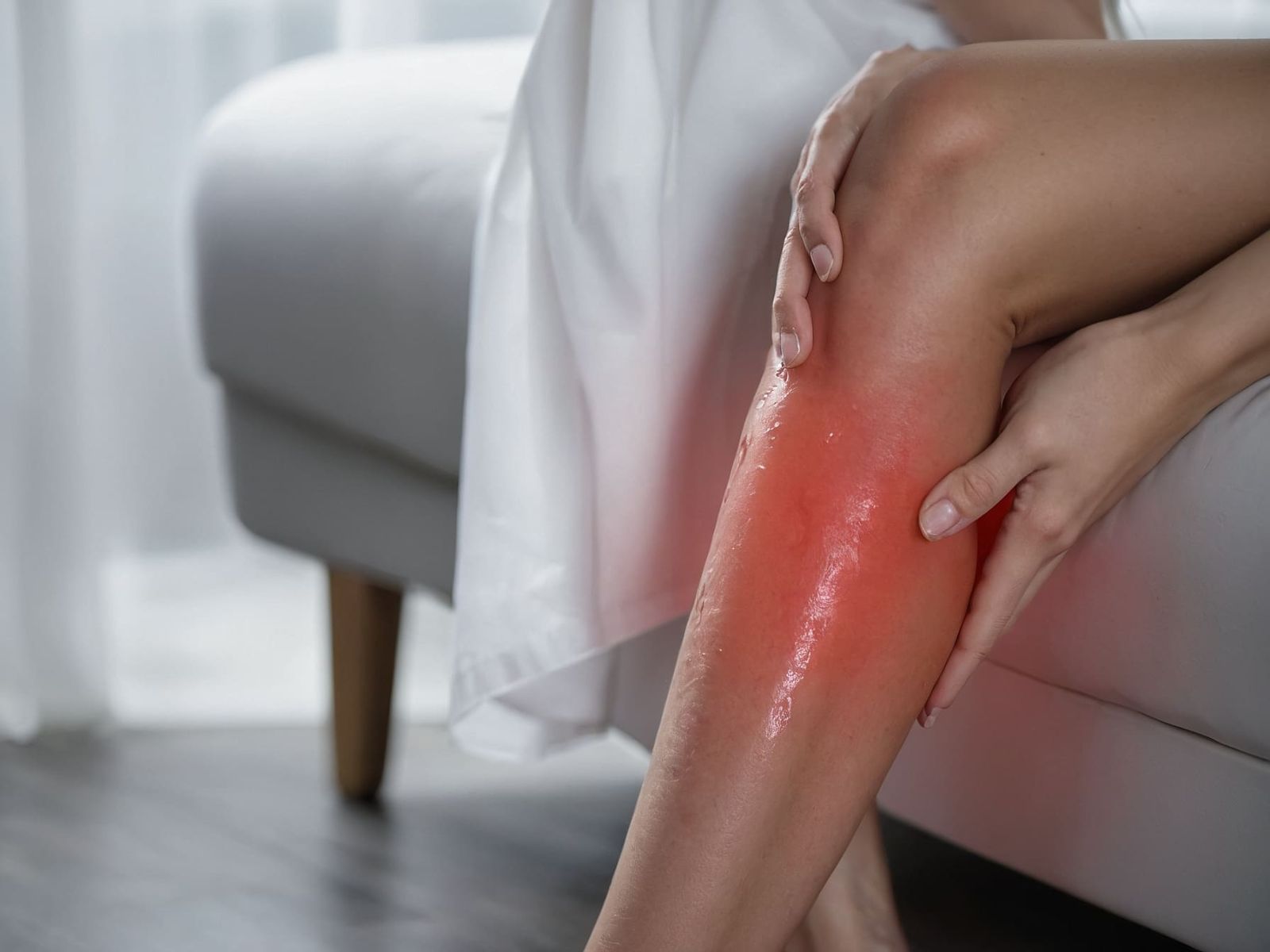
Early recognition and treatment of periostitis symptoms are crucial to prevent more serious complications, such as stress fractures. Ignoring initial symptoms and continuing activities can worsen the condition and prolong recovery.
Causes of Periostitis
Periostitis is a common issue affecting many individuals, especially those regularly exposed to factors that place stress on the shins. Understanding these causes is crucial for effective prevention and management.
- Excessive Physical Activity: The most common cause of periostitis is excessive physical activity, particularly in sports involving running and jumping. When individuals quickly increase the intensity, duration, or frequency of their activities without sufficient gradual adaptation or rest periods, the shins experience heightened stress. This can lead to microscopic damage to the periosteum, eventually causing inflammation.
- Inappropriate Footwear: Poor footwear choices can play a significant role in the development of periostitis. Shoes that do not provide adequate support or cushioning transfer a greater portion of impact forces to the shins. Worn-out or improperly fitting shoes can cause uneven weight distribution and increase the strain on the lower legs.
- Hard Surfaces: Running or training on hard surfaces such as asphalt or concrete increases the load on the bones and soft tissues of the lower limbs. These surfaces poorly absorb impact, meaning that most of the shock force returns to the body, raising the risk of periosteum injuries.
- Anatomical Abnormalities: Structural abnormalities in the feet, such as flat feet, high arches, or improper pronation (inward or outward rolling of the foot during walking), can alter the biomechanics of walking or running. These changes can increase stress on specific areas of the shins, potentially leading to inflammation.
- Muscle Imbalance: Weakness or excessive tension in the muscles supporting the legs can create an imbalance, increasing the likelihood of injury. For example, if the anterior muscles are stronger or tighter than the posterior ones, this can result in excessive strain on the shins.
- Excess Body Weight: Every additional kilogram of body weight increases the load on the legs during walking or running. Higher body weight can accelerate tissue wear and raise the risk of developing periostitis.
- Lack of Adaptation to New Routines: Individuals who quickly change their training environment or type of activity without gradual adaptation may experience periostitis due to sudden overloading. It is important to adjust to new routines gradually, allowing the body to build the strength and endurance needed to handle new demands.

Each of these causes can expose an individual to the risk of developing periostitis, making it crucial to be mindful of one's activities and listen to the body's signals. Early recognition and action can prevent long-term consequences.
Diagnosis of Periostitis
Accurate diagnosis of periostitis is essential for effective treatment. Healthcare professionals use various methods to identify the issue and differentiate it from other potential causes of leg pain.
- Medical Examination: Diagnosis usually begins with a thorough medical examination, during which the doctor checks the affected area for signs of inflammation, such as swelling and tenderness. A detailed history of the patient’s symptoms and physical activities is also collected to determine possible causes of the pain.
- Physical Tests: The doctor may perform a series of physical tests, such as stress or pressure tests on specific points of the shin, to identify the exact location of the pain. These tests help confirm the presence of periostitis and assess its severity.
- Imaging Techniques: While periostitis often does not appear on standard X-rays, advanced imaging techniques such as magnetic resonance imaging (MRI) or computed tomography (CT) can be used for a more detailed examination of bone conditions. These methods can also detect minor injuries or changes in bones and soft tissues that are not visible on X-rays.
- Other Diagnostic Methods: In some cases, other diagnostic methods, such as ultrasound, may be employed to assess the condition of the soft tissues around the shin and identify potential inflammation or periosteal injuries.
- Exclusion of Other Conditions: It is also important to rule out other potential causes of leg pain, such as stress fractures or compartment syndrome, which require different treatment approaches. The doctor may recommend additional tests if these conditions are suspected.

Timely and accurate diagnosis is crucial for the successful treatment of periostitis and preventing its progression to a more severe condition. Once the diagnosis is confirmed, the next step is determining the most appropriate treatment method, which we will address in the following section.
Treatment of Periostitis
The treatment of periostitis requires a comprehensive approach that combines conservative methods and advanced therapeutic techniques to alleviate pain, reduce inflammation, and promote recovery. The main goal is to enable patients to gradually and safely return to their normal activities.
Conservative Treatment Methods
- Rest: The most important element of treatment. It is crucial to temporarily pause or significantly limit activities that stress the shins, allowing the body to begin its natural healing process. Gradual reintroduction of activities is essential to prevent reinjury.
- Ice Application: Applying ice to the affected area for 20 minutes every three to four hours in the first few days after symptoms appear is recommended. This helps reduce inflammation and localized pain.
- Compression Socks or Braces: These help reduce internal movement and vibrations in the shin that could worsen the condition. They also support circulation, which can aid faster healing.
The Role of Physiotherapy in Treatment
- Ultrasound Therapy: This technique uses high-frequency sound waves that penetrate deep into the tissue, promoting micromassage that can improve local blood circulation and accelerate tissue regeneration.
- Shockwave Therapy (ESWT): ESWT is effective in treating chronic inflammation, as shockwaves stimulate tissue healing and regeneration on a cellular level.
- Myofascial Release: This technique focuses on releasing tension and adhesions in the fascia and muscles, improving mobility and reducing pain.
- Stretching Exercises: Specific stretching and strengthening exercises, such as those targeting the tibialis anterior, peroneus, and calf muscles, are crucial for maintaining muscle balance and preventing recurrence.
Medications
- Anti-inflammatory Drugs: NSAIDs are often prescribed to reduce inflammation and pain. They should be used according to medical advice, as prolonged use may lead to side effects.

Prevention and Risk Reduction
An appropriate prevention strategy focused on muscle strengthening, improving mobility, and adjusting training routines is essential to prevent periostitis. These measures can significantly reduce the risk associated with this condition.
- Regular Muscle Strengthening Exercises: Strengthening muscles is not only beneficial for overall health and well-being but also crucial for preventing muscle imbalances that can lead to excessive stress on the shins. Targeted exercises that strengthen the lower leg muscles, such as the tibialis anterior, peroneal muscles, and calf muscles, can reduce the strain on the periosteum during activities like running.
- Exercises to Reduce Pronation: Pronation, or the inward rolling of the foot, is common among runners and can contribute to a higher risk of injuries, including periostitis. Exercises that strengthen the muscles supporting the arch of the foot and controlling pronation are especially helpful for those prone to it. These may include balance board exercises, the use of stability shoes, or specialized orthotic inserts.
- Improving Flexibility: Maintaining adequate flexibility, particularly in the calf muscles, is essential to reducing the tension transferred to the periosteum during movement. Regular stretching of the calf muscles and the Achilles tendon can prevent many issues associated with lower leg overuse.
- Gradual Increase in Training Intensity: For beginners and individuals with higher body weight, it is especially important to gradually increase the intensity and volume of training. Sudden jumps in activity can cause unwanted strain on the shins, increasing the risk of injury. An adaptation period allows the body to gradually adjust to new demands without excessive stress.

Active care for your health and timely action at the first signs of trouble can significantly improve quality of life and prevent further complications. Do not hesitate to seek advice or treatment from healthcare professionals, as this is key to successfully managing periostitis.