

Physiotherapy
Neck Muscle Spasm: Symptoms, Causes, and Treatment
A neck muscle spasm, also known as acute torticollis, is a sudden and painful muscle tension in the neck that can cause severe pain and restricted movement. This article will explore the symptoms, causes, and treatment of neck muscle spasms, with a particular focus on physiotherapy as a key treatment method.
What is a neck muscle spasm?
A neck muscle spasm, derived from the German term "Hexenschuss," which literally means "witch's shot," describes a sudden and sharp pain often affecting the lower back or neck. Medically, it is known as acute torticollis, a condition where the neck muscles suddenly and painfully contract, causing pain and stiffness. Acute torticollis occurs when the muscles on one side of the neck contract strongly, tilting the head to one side and making the neck stiff and painful. This condition is often triggered by sudden movements or an awkward sleeping position but can also result from other causes such as injuries or degenerative changes in the cervical spine.
Dizziness, headaches, shoulder pain, and upper back discomfort are common accompanying symptoms that can complicate the condition further. The pain is usually localized to one side of the neck but may radiate to other parts of the body, making movement and daily activities challenging. While neck muscle spasms are often acute and short-lived, they can persist for several days or even weeks before fully resolving. This condition is not life-threatening but is very uncomfortable and can significantly impact quality of life. Accurate diagnosis and appropriate treatment are essential for quickly alleviating symptoms and preventing recurrence. In addition to physical pain, neck muscle spasms often affect the individual's mental state.

A holistic approach to treatment is the most effective way to manage a neck muscle spasm. Physiotherapy, proper posture, massages, and stretching exercises are key to a quick recovery and long-term prevention.
Symptoms of a Neck Muscle Spasm
Symptoms of a neck muscle spasm usually appear suddenly and can be very intense. Although symptoms vary from person to person, the most common ones are:
- Sharp neck pain: The most characteristic symptom of a neck muscle spasm is sudden and sharp pain in the neck. The pain is often intense and localized to one side of the neck. It can be so severe that it makes daily activities like driving or working on a computer difficult.
- Limited mobility: Due to severe pain and muscle tension, neck mobility is greatly reduced. You may find it difficult or impossible to turn your head, or neck movements may be highly restricted.
- Muscle tension: The neck muscles become tight and tense, which can further increase pain and discomfort. Muscle tension can be so severe that it causes stiffness and limits movement.
- Headaches: Pain in the neck can also lead to tension headaches. These headaches typically start at the back of the head and spread toward the forehead.
- Radiating pain: Pain may radiate from the neck into the shoulders and upper back. This radiating pain can cause a feeling of heaviness or pressure in these areas, further limiting movement. Pain may also extend into the arms, causing tingling or weakness in the arms and fingers.
Other Possible Symptoms
- Swelling: In some cases, swelling in the neck or shoulders may occur, caused by inflammation of muscles or joints.
- Dizziness: Due to restricted mobility and neck tension, dizziness may occur, particularly with rapid head movements.
- Sleep disturbances: A neck muscle spasm can cause sleep problems due to pain and discomfort, leading to fatigue and irritability.

These symptoms make it crucial to seek appropriate treatment as soon as possible, as a neck muscle spasm can significantly affect your ability to perform daily activities and your overall quality of life.
Causes of a Neck Muscle Spasm
A neck muscle spasm can have various causes. Understanding these causes is key to preventing and effectively treating this condition. Here are the most common causes of a neck muscle spasm:
- Poor posture: One of the most common causes of a neck muscle spasm is prolonged sitting in poor posture or an uncomfortable sleeping position. Long hours at a computer without proper back and neck support can strain the neck muscles. Similarly, sleeping in an uncomfortable position or on an unsuitable pillow can misalign the neck, leading to muscle tension and pain.
- Sudden movements: A quick, sudden movement of the head or lifting heavy objects can trigger a neck muscle spasm. Sudden movements, such as rapid head turns during sports activities or abrupt braking while driving, can overly strain the neck muscles and cause acute pain.
- Stress: Emotional stress is often overlooked but is an important factor in the development of neck muscle spasms. Stress can lead to muscle tension, as the body reacts to stressful situations with increased muscle tightness. Prolonged exposure to stress can result in chronic neck muscle tension.
- Injuries: Accidents such as car crashes, falls, or sports injuries can cause neck injuries and muscle spasms. Sudden trauma can damage muscles, ligaments, and joints in the neck, leading to acute pain and spasms.
- Degenerative conditions: Osteoarthritis or other degenerative spinal conditions can increase the risk of developing neck muscle spasms. Degenerative changes in the joints and discs of the spine can cause chronic pain and stiffness, making acute episodes of neck muscle spasms more likely.
- Lack of physical activity: A sedentary lifestyle and lack of regular exercise can weaken neck muscles and increase the risk of muscle spasms.

Understanding these causes is crucial for the early treatment of a neck muscle spasm. Proper posture, regular physical activity, and stress management techniques are essential factors in maintaining a healthy neck.
Treatment of a Neck Muscle Spasm
Treatment of a neck muscle spasm involves a combination of home care, medications, and physiotherapy. It is important to start treatment as soon as possible to prevent prolonged pain and restricted mobility.
What Can You Do Yourself?
Home care is often the first step in relieving the symptoms of a neck muscle spasm.
- Rest: Avoid activities that worsen the pain and take time to rest. It is important not to strain your neck until the pain subsides.
- Warm and cold compresses: Apply warm and cold compresses alternately to the affected area to reduce pain and swelling. Cold compresses can help reduce swelling and inflammation, while warm compresses help relax tense muscles.
- Gentle stretching: Once the pain has subsided slightly, you can try gentle neck stretches. Stretching helps maintain mobility and prevent muscle stiffness.
Medications
Medications can help alleviate pain and reduce muscle tension.
- Pain relievers: Medications like ibuprofen or acetaminophen can help reduce pain and inflammation. These drugs are often available over the counter and can be taken as directed.
- Muscle relaxants: In some cases, a doctor may prescribe muscle relaxants to reduce muscle tension. These medications can be very effective in relieving acute muscle pain.
Physiotherapy
Physiotherapy plays a crucial role in treating neck muscle spasms and preventing recurrence. Physiotherapists are movement experts who can help restore normal neck function and reduce pain.
Individualized Exercise Program
Physiotherapists will assess posture, mobility, and strength and create a tailored exercise program.
- Stretching exercises: Gentle stretching exercises to improve mobility and reduce muscle tension. Regular stretching helps prevent stiffness and promotes overall neck mobility.
- Strengthening exercises: Exercises to strengthen the neck and upper back muscles to reduce neck strain. Strengthening muscles supports the spine and reduces the risk of recurrence.
- Postural exercises: Exercises to improve posture, which can help prevent neck muscle spasms. Proper posture reduces stress on the neck and spine and helps prevent pain.
Manual Therapy
Manual therapy includes various techniques performed by a physiotherapist to reduce pain and improve mobility. These techniques may include:
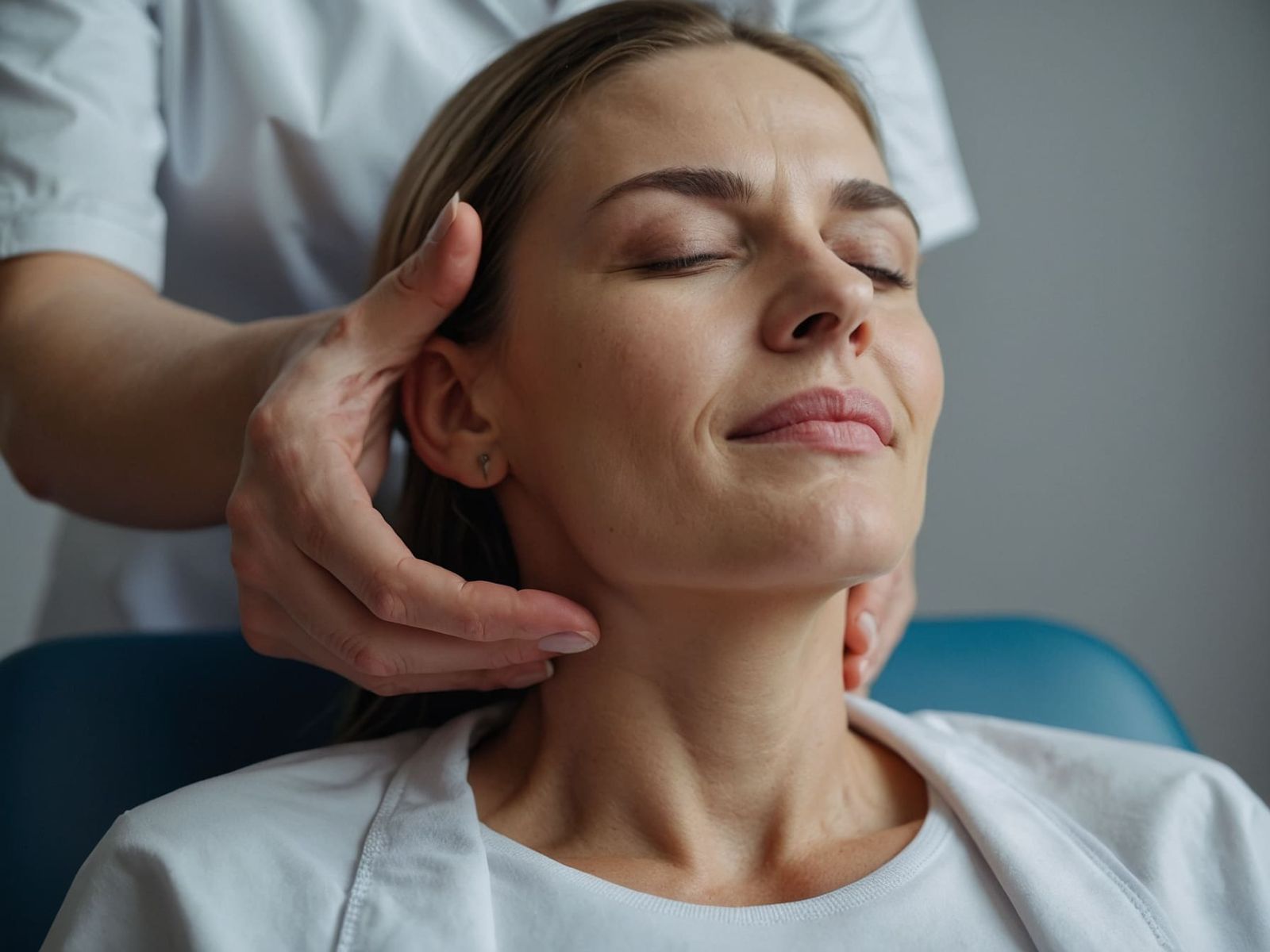
- Massage: Massage of tense muscles helps reduce tension and pain. Massage increases blood flow to the affected area and promotes the healing process.
- Joint mobilization: Gentle techniques to improve joint mobility in the neck. Mobilization helps reduce stiffness and expand the range of motion.
- Relaxation techniques: Techniques to relax muscles and improve blood flow. These techniques help reduce muscle tension and ease pain.
Instrumental Therapy
Instrumental therapy involves the use of various devices and technologies to alleviate pain and reduce muscle tension. Physiotherapists may use different forms of instrumental therapy:
- TENS: Electrical impulses that help reduce pain.
- Ultrasound: To warm tissues and improve blood flow.
- Laser therapy: To reduce pain and inflammation and promote tissue healing.
Prevention of Neck Muscle Spasms
While neck muscle spasms often occur suddenly, you can reduce the risk with a few simple measures. Prevention is based on maintaining good posture, regular physical activity, proper ergonomics, and stress management.
Maintain Good Posture
Good posture is crucial to prevent tension and pain in the neck.
- Sit upright: Ensure you sit upright with your back against the chair. Use chairs with good lumbar support to maintain the natural curve of your spine.
- Stand upright: When standing, try to distribute your weight evenly on both legs.
- Ergonomic furniture: Opt for furniture that allows adjustments for seat height, seat angle, and back and neck support. Adjust the height of your computer monitor to eye level.
Exercise Regularly
Regular physical activity is essential to maintain healthy and flexible neck muscles.
- Strengthening exercises: These help support the spine and reduce neck strain.
- Stretching exercises: Regular stretching improves mobility and reduces muscle stiffness.
- Aerobic exercise: Helps improve overall fitness and reduces muscle tension.
Stress Management
Stress is a significant factor that can contribute to muscle tension and neck pain.
- Yoga: Excellent for relaxing muscles and improving posture.
- Meditation: Helps calm the mind and reduce stress.
- Deep breathing: Deep breathing relaxes muscles and reduces tension.

By combining proper posture, regular physical activity, and stress management, you can effectively reduce the risk of developing neck muscle spasms and maintain the health of your neck.