

Medical Reports
Medical Reports: Neck
Neck health is essential for our well-being, as the neck connects the head to the rest of the body and enables the smooth functioning of many vital processes. Pain and discomfort in the neck can significantly affect our quality of life, making it important to recognize and treat them in a timely manner. In this article, we will introduce the anatomy of the neck, common issues, diagnostic methods, treatment options, and preventive measures.
Neck Anatomy
The cervical spine is an essential part of the human body that supports the head and allows a wide range of movements. It is composed of a complex network of muscles, ligaments, vertebrae, and nerves that work in harmony to facilitate head movement and stability. The main components of the neck include:
- Vertebrae: Seven cervical vertebrae, labeled C1 to C7, form the foundation of the neck. These vertebrae are small but highly mobile, enabling extensive movements of the head and neck.
- Muscles: The neck muscles are crucial for head and neck movement in various directions. These include superficial muscles such as the sternocleidomastoid muscle, which facilitates head rotation and tilting, and the trapezius muscle, which contributes to shoulder girdle and neck movement.
- Nerves: The neck contains important nerves that transmit signals between the brain and the rest of the body. The most significant is the spinal nerve, which emerges from each vertebra and branches into peripheral nerves that innervate different parts of the body. The nerves in the neck are responsible for sensation and movement in the shoulders, arms, and upper back.
- Discs: Intervertebral discs, also known as discs, act as shock absorbers between the vertebrae. They are composed of a soft core surrounded by a strong fibrous ring. These discs absorb loads and provide flexibility to the spine, protecting the vertebrae from wear and injury.

Proper posture and neck mobility are crucial for preventing injuries and maintaining health. Poor posture, such as forward head tilt during prolonged computer use, can cause muscle tension and strain in the neck. Regular stretching, strengthening neck muscles, and maintaining proper ergonomics at work are essential for keeping the neck healthy.
Common Neck Issues
Neck issues are among the most common musculoskeletal problems that can significantly affect an individual's quality of life.
- Neck pain: Neck pain can result from various factors, including muscle tension, injuries, or degenerative changes. Muscle tension often arises from poor posture, prolonged sitting at a computer, or repetitive movements. Injuries such as sprains or impacts can cause acute pain.
- Stiff neck: A stiff neck, or "torticollis," occurs due to muscle spasms or inflammation. This condition can restrict mobility and make moving the head difficult. A stiff neck often results from sudden movements, poor sleeping posture, or prolonged exposure to cold air. Stress and tension can also contribute to muscle tightness in the neck.
- Herniated disc: A herniated disc occurs when an intervertebral disc slips out of place and presses on nearby nerves. This can cause severe pain, tingling, weakness, and limited mobility. Herniated discs are more common in middle-aged and older individuals but can also result from injuries or heavy lifting.
- Degenerative changes: Degenerative changes such as osteochondrosis and spondylosis affect the intervertebral discs and vertebrae. Osteochondrosis is a condition where cartilage and discs wear out, causing pain and stiffness. Spondylosis is a degenerative condition involving changes in the vertebrae and joints due to aging. These conditions can cause chronic pain and restricted movement, gradually diminishing quality of life.
Other Issues
In addition to the mentioned problems, neck issues can also include:
- Cervical radiculopathy: This condition occurs when a nerve root in the neck is compressed or irritated. It causes pain that can radiate from the neck to the shoulders, arms, and fingers, accompanied by tingling or weakness in the affected areas.
- Cervical myelopathy: This involves compression of the spinal cord in the cervical spine, which can lead to balance problems, coordination issues, weakness in the arms and legs, and difficulties controlling the bladder or bowels.

These issues can significantly affect daily activities and reduce an individual's functional abilities. It is crucial to recognize and treat problems in a timely manner, as ignoring symptoms can lead to more severe complications. Regular doctor visits and proper care for neck health can help prevent and manage these issues.
Symptoms and Signs of Neck Problems
Symptoms of neck problems can vary greatly in intensity and duration. Recognizing these symptoms is key to taking early action and preventing more serious complications.
- Neck pain: Pain is the most common symptom and can occur suddenly or gradually. It may be acute, caused by an injury or sudden movement, or chronic, associated with degenerative changes or repeated tension. The pain can radiate from the neck to the shoulders, upper back, or even the arms.
- Limited mobility: A stiff neck and reduced ability to move the head in various directions are common symptoms. This can affect the ability to drive, work on a computer, or perform daily activities. Limited mobility is often due to muscle tension, inflammation, or degenerative changes.
- Headaches: Neck pain can cause tension headaches or cervicogenic headaches originating from problems in the cervical spine. Neck-related headaches are often localized at the back of the head and may spread to the forehead or temples.
- Dizziness: Dizziness and a sense of instability can occur due to neck problems, especially if nerves or blood vessels supplying the brain are affected. This symptom can significantly impact balance and coordination, increasing the risk of falls and injuries.
- Tingling in the arms: A sensation of tingling, weakness, or numbness in the arms and fingers can be a sign of nerve compression in the cervical spine. This symptom is often associated with conditions such as herniated discs or cervical radiculopathy, where a compressed nerve disrupts signal transmission between the brain and arm.
- Muscle tension and spasms: Chronic tension and spasms in the neck and shoulder muscles are common in people who sit for prolonged periods in poor posture or are exposed to stress. This tension can lead to persistent pain and restricted mobility.
- Swallowing and breathing difficulties: In rare cases, neck problems can affect swallowing and breathing, particularly if structures in the front of the neck are involved.

Recognizing these symptoms and taking timely action are key to effective treatment and the prevention of more serious complications. If you notice any of the above symptoms, it is important to consult a doctor who can assess your condition and suggest appropriate therapy.
Diagnostic Procedures
For an accurate diagnosis of neck problems, various methods are used to provide insight into the structural and functional condition of the neck. Utilizing these diagnostic procedures is essential for determining the correct treatment and preventing further complications.
- Physical examination: The first step in diagnosing neck problems is a thorough physical examination. The doctor assesses neck mobility, muscle strength and tone, the presence of pain, and neurological functions. Special attention is given to identifying any posture abnormalities, movement restrictions, and signs such as swelling, muscle tension, or tenderness.
- X-ray (RTG): X-rays provide visualization of the bony structures of the neck, including vertebrae and joints. This examination is useful for detecting fractures, dislocations, degenerative changes, and other bone abnormalities.
- Magnetic resonance imaging (MRI): MRI is a non-invasive imaging technique that uses strong magnetic fields and radio waves to create detailed images of soft tissues, including muscles, discs, nerves, and ligaments. MRI is particularly useful for diagnosing herniated discs, nerve compression, tumors, and inflammatory processes.
- Computed tomography (CT): CT scanning uses X-rays to create detailed cross-sectional images of the neck. This method is helpful for evaluating complex bone structures and soft tissues, allowing for a more precise assessment of injuries, tumors, and degenerative changes. CT is often used when MRI is not suitable or unavailable.
- Ultrasound: Ultrasound uses sound waves to create images of soft tissues and blood vessels. It is non-invasive and radiation-free, making it suitable for assessing the condition of muscles, tendons, and ligaments. Ultrasound is also useful for guided injections into joints or soft tissues.
- Electromyography (EMG): EMG is a diagnostic method that measures the electrical activity of muscles and nerves. It is used to assess muscle function and identify potential nerve damage, such as cervical radiculopathy or other neurological disorders. EMG helps determine whether symptoms are caused by nerve compression or other nervous system issues.
- Myelography: This is a specialized imaging test where a contrast agent is injected into the spinal canal, followed by X-ray or CT imaging. This method is useful for visualizing the spinal cord, nerve roots, and surrounding structures, especially in cases where other tests are inconclusive.
- Functional tests: These include various tests of neck mobility, strength, and function performed by physiotherapists or other specialists. These tests help assess how neck problems affect the patient’s daily activities and functional abilities.

 Each of these diagnostic methods contributes to a comprehensive understanding of neck problems, enabling healthcare professionals to design the most effective treatment plan. Accurate diagnosis is crucial for successfully managing symptoms and improving the patient’s quality of life.
Treatment and Therapy
Treatment for neck problems can vary significantly depending on the cause and severity of the issue. It is important to develop a personalized treatment plan for each individual, which may include the following options:
Conservative Treatment
- Physiotherapy: Physiotherapists use various techniques, such as therapeutic exercises, manual therapy, and electrotherapy, to reduce pain, improve mobility, and strengthen neck muscles. Regular performance of prescribed exercises helps maintain flexibility and prevent recurring issues.
- Massage: Therapeutic massage can help relax tense muscles, improve circulation, and reduce pain. Massages are performed by trained therapists and are often part of a comprehensive rehabilitation program.
- Pain relievers: Analgesics or nonsteroidal anti-inflammatory drugs are used to alleviate pain and reduce inflammation.
Surgical Treatment
Surgical procedures are typically chosen for severe cases that do not respond to conservative treatment. This includes conditions like a herniated disc, where the disc presses on nerves, causing severe pain or neurological symptoms.
- Discectomy: A surgical procedure where part of the herniated disc is removed to relieve pressure on the nerves. This procedure may also involve spinal fusion to stabilize the spine.
- Laminectomy: A procedure where part of a vertebra (the lamina) is removed to relieve pressure on the spinal cord or nerve roots. This procedure is often used for spinal stenosis.
- Foraminotomy: A surgical procedure to widen the opening through which a nerve root exits the spine, helping to reduce nerve compression.
Alternative Therapies
- Acupuncture: A traditional Chinese method that involves inserting thin needles at specific points on the body to relieve pain and promote healing.
- Chiropractic care: Chiropractors use manual manipulation of the spine and neck to improve mobility, reduce pain, and restore proper alignment of the vertebrae.
- Massage therapy: In addition to classic massage, techniques such as myofascial release and trigger point therapy can be used to alleviate muscle knots and tension.
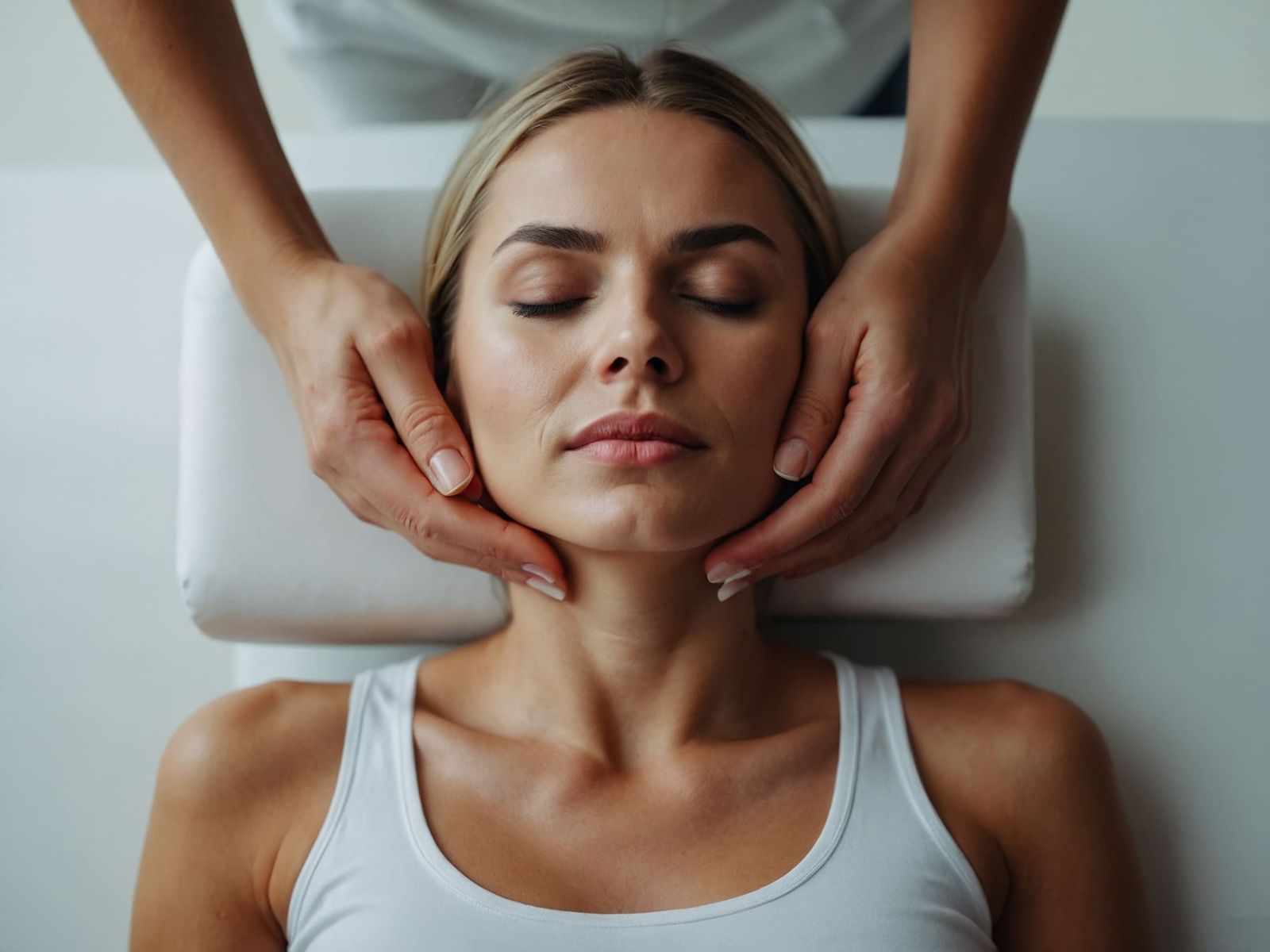
Each individual responds differently to treatment, so it is important to tailor therapy to the patient’s needs and reactions. A combination of different approaches often yields the best results. Regular monitoring and adjustment of the treatment plan are crucial for the long-term management of neck problems and improving the patient’s quality of life.
Prevention
Preventive measures are key to maintaining neck health and avoiding problems that may arise from daily activities and habits.
- Exercise and stretching: Regular physical activity and specific neck stretches help maintain muscle flexibility and strength.
- Proper posture: Maintaining proper posture while sitting, standing, and sleeping reduces the risk of neck problems. While sitting, keep the spine straight, shoulders relaxed, and the head aligned with the neck. Using a chair with adequate lumbar support and adjustable height helps maintain proper posture. While standing, distribute your weight evenly on both feet, keep shoulders relaxed, and hold the head in a neutral position. For sleeping, use a pillow that supports the natural curve of the neck and prevents improper positioning.
- Workplace ergonomics: Adjusting the workplace setup is essential to prevent prolonged incorrect neck posture. The computer monitor should be at eye level to avoid tilting the head forward or backward. The keyboard and mouse should be within easy reach without strain. Taking regular breaks during work to stretch and move helps reduce tension in the neck and shoulders.
- Tips for daily activities: Avoid sudden movements and lifting heavy objects without proper support to prevent neck injuries. When lifting heavy objects, use your legs instead of your back to minimize strain on the neck and spine.
- Stress reduction: Stress can contribute to tension in the neck and shoulder muscles. Stress-reduction techniques such as meditation, deep breathing, and relaxation exercises can help relieve tension and improve overall well-being.
- Hydration and nutrition: Proper hydration and a balanced diet play an important role in maintaining muscle and joint health. Drinking enough water helps maintain the flexibility of spinal discs, while a diet rich in vitamins and minerals supports bone and muscle health.
- Regular check-ups: Regular visits to a doctor or physiotherapist can help detect potential problems early and enable timely intervention. Healthcare professionals can also advise you on exercises and techniques to improve posture and reduce the risk of injuries.

By combining these preventive measures, you can significantly reduce the risk of neck problems while improving overall health and quality of life.