

Cardiopulmonary Physiotherapy
Living with COPD: Tips for Improving Respiratory Function
Chronic Obstructive Pulmonary Disease (COPD) is an often overlooked but serious health issue affecting millions of people worldwide. COPD is a progressive disease that makes breathing difficult and gradually deteriorates the quality of life. Recognizing the symptoms and taking timely action can significantly improve the course of the disease and ensure a better quality of life.
What is COPD?
Chronic Obstructive Pulmonary Disease (COPD) is a collective term for a group of progressive lung diseases that severely limit airflow in the lungs. The primary forms of the disease are chronic bronchitis and emphysema. Chronic bronchitis involves prolonged inflammation of the airways, causing swelling and excessive mucus production, while emphysema destroys the alveoli (air sacs) in the lungs, reducing their efficiency in exchanging oxygen and carbon dioxide. Both conditions lead to decreased breathing capacity and impaired oxygen delivery to the body.
COPD most commonly results from long-term exposure to irritants that damage the lungs. Smoking is the leading cause, accounting for approximately 85% to 90% of all cases. Passive inhalation of cigarette smoke, prolonged exposure to polluted air, occupational exposure to dust and chemicals, and frequent exposure to cooking fumes without proper ventilation are also significant risk factors. Genetic factors, such as alpha-1 antitrypsin deficiency, may also play a role in predisposing individuals to the disease.
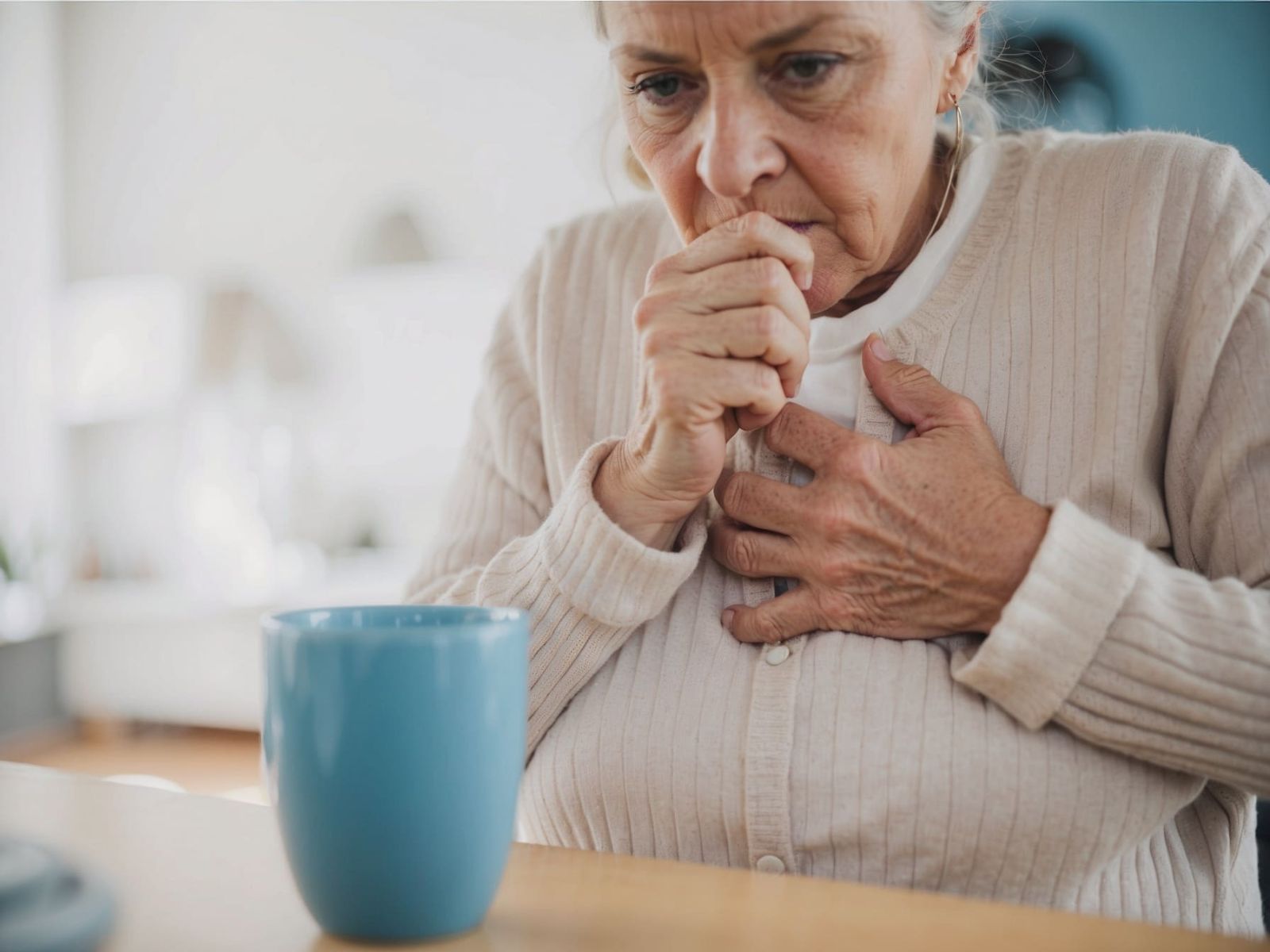
Symptoms often develop slowly and may not be noticeable in the early stages. The most common symptoms include chronic cough, excessive mucus production, wheezing, shortness of breath during physical exertion, and frequent respiratory infections. Over time, shortness of breath worsens and can become severe enough to limit basic activities.
How Does Diet Affect COPD?
Patients with COPD often experience weight and muscle mass loss, referred to as COPD-associated malnutrition. This occurs due to a combination of increased energy demands from breathing difficulties and reduced food intake caused by fatigue and eating challenges. Adequate calorie and nutrient intake is vital to maintain the strength of the respiratory muscles and ensure proper breathing. A balanced diet can improve the immune system, reduce the risk of infections, and increase overall energy levels.
Dietary Recommendations
COPD patients are advised to follow a high-calorie, high-protein diet. For optimal energy and nutrient intake:
- Meals: Divide daily food intake into smaller, more frequent meals that are easier to digest.
- Protein: Increase protein intake by including lean meats, fish, poultry, eggs, dairy products, legumes, and nuts. Proteins are crucial for maintaining muscle mass and strength.
- Fats: Opt for healthy fats like omega-3 fatty acids from fish, flaxseeds, and nuts, which can help reduce systemic inflammation.
- Vitamins and Minerals: Include a variety of fruits and vegetables rich in antioxidants, vitamins (especially vitamin C and E), and minerals to support the immune system and reduce oxidative stress.
Foods to Avoid
Certain foods may cause bloating or gas in COPD patients, putting pressure on the diaphragm and making breathing more difficult. It is recommended to avoid:
- Fried and very fatty foods: These are harder to digest and may exacerbate heartburn, worsening COPD symptoms.
- Limit salt: Excessive dietary salt can lead to water retention, which may increase breathing difficulties.
- Reduce simple carbohydrates: Sugars and refined carbohydrates can promote inflammation, so their intake should be minimized.
- Caution with raw vegetables and fruits: Although very healthy, some individuals may find large amounts of raw vegetables and fruits difficult to digest.

This comprehensive overview of the nutritional needs and recommendations for people with COPD provides practical advice for improving their nutritional support and overall health.
Physical Exercise and COPD
The Importance of Physical Activity
Physical activity plays a crucial role in managing symptoms and improving overall health. Regular exercise helps enhance lung and heart function, increases muscle mass and strength, which is particularly important since COPD often leads to muscle weakness and fatigue. Exercise also improves circulation and helps the body utilize oxygen more efficiently, making breathing easier and reducing the sensation of breathlessness during daily activities.
Examples of Safe and Effective Exercises
When selecting types of physical exercise, it is important to consider safety and the patient’s individual capabilities:
- Aerobic exercises: Walking, swimming, and cycling are suitable activities that improve endurance and respiratory function. These activities are especially beneficial because they allow control over exercise intensity and duration.
- Muscle-strengthening exercises: Regular strength training exercises, such as using hand weights or resistance bands, help improve overall strength and make daily tasks easier.
- Flexibility and stretching exercises: Stretching and yoga can enhance flexibility, reduce stiffness, and improve breathing patterns.
- Gradual progression: Start with low-intensity exercise for a short duration and gradually increase the time and intensity as your abilities allow.
- Monitoring breathing: Pay attention to your breathing and overall condition during exercise.
- Consultation with a doctor: Before starting an exercise program, consult your doctor or pulmonologist to assess your health condition and receive a tailored exercise plan.
- Incorporating physiotherapy: A physiotherapist or exercise specialist can provide individually tailored exercises and advice to ensure the safety and effectiveness of the exercise program.

With regular physical exercise, COPD patients can significantly improve their quality of life, enhance their physical capacity, and even reduce their need for medications. It is important that exercise is part of a comprehensive approach to managing COPD, which also includes nutrition, medication, and breathing techniques.
The Use of Breathing Aids in COPD
COPD patients often face breathing challenges that can significantly affect their quality of life. Various devices have been developed to ease breathing, improve airflow, and enable more effective medication delivery. These aids help reduce the strain on respiratory muscles, enhance gas exchange, and facilitate daily activities. Below are some of the most commonly used devices for managing COPD.
- Inhalers: Inhalers are fundamental tools in COPD treatment, delivering medication directly to the lungs to alleviate symptoms and prevent exacerbations.
- Nebulizers: Nebulizers convert liquid medication into a fine aerosol mist that is inhaled through a mask or mouthpiece. This method is particularly useful during severe COPD exacerbations when more intensive treatment is required.
- CPAP and BiPAP devices: These devices are primarily used for patients with severe COPD who may experience respiratory failure or sleep-related breathing difficulties. CPAP (Continuous Positive Airway Pressure): Provides a continuous air pressure to help keep the airways open. BiPAP (Bilevel Positive Airway Pressure): Allows different pressure settings for inhalation and exhalation, which can be more comfortable for some patients with advanced COPD.
- Devices for mucus clearance: Due to the frequent accumulation of mucus in the lungs in COPD, devices have been developed to aid in mucus clearance, improving respiratory function.
- Oxygen concentrators: Oxygen concentrators filter nitrogen from the air, providing enriched oxygen that is inhaled via a mask or nasal cannulas. These devices can be stationary or portable, depending on the patient's needs and lifestyle.
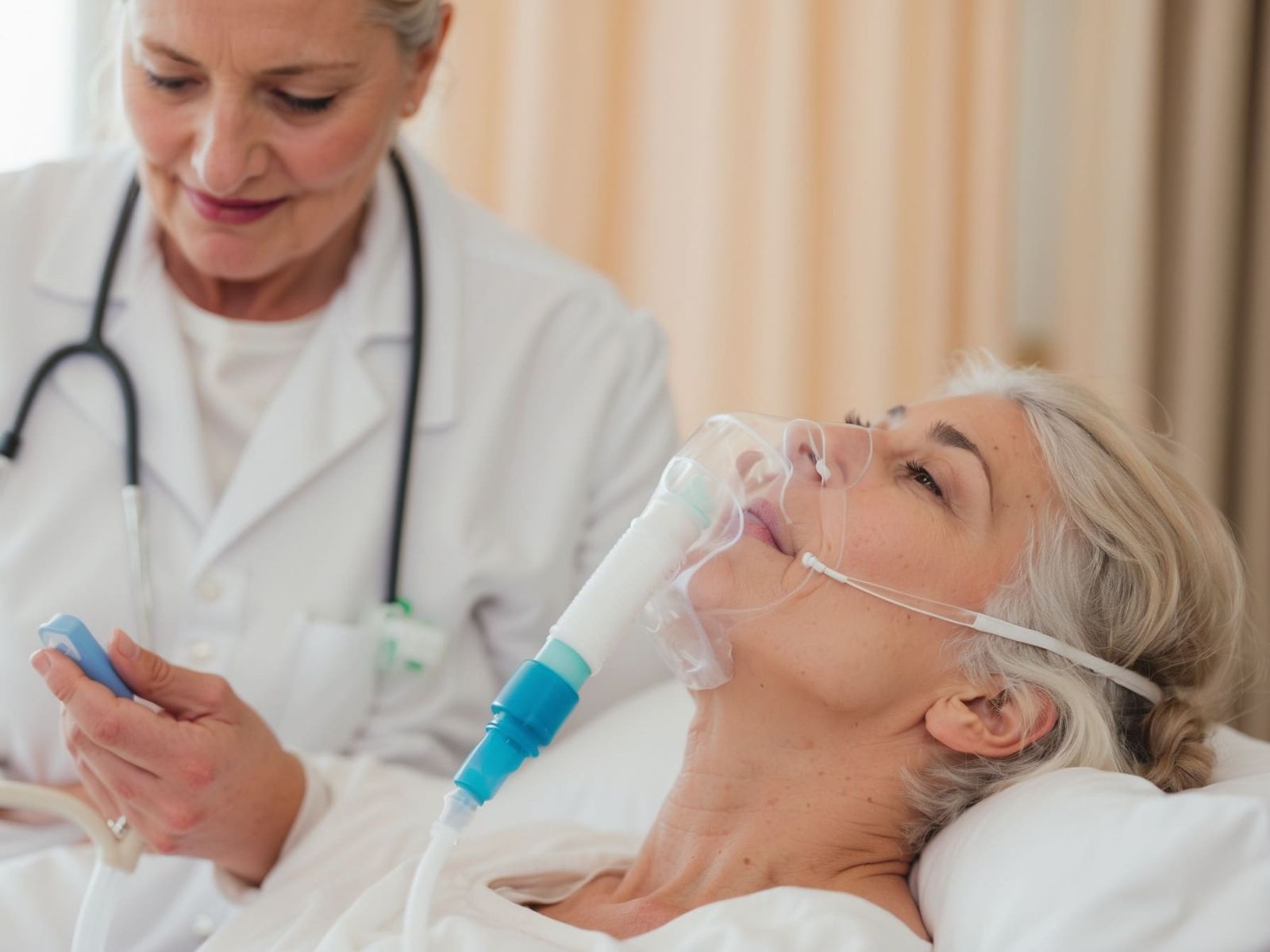
The use of these devices can significantly improve breathing and overall quality of life for COPD patients. However, it is essential for patients to consult healthcare professionals before using any breathing aids to ensure the therapy is tailored to their specific needs and medical condition.