

Physiotherapy
Knee Plica Syndrome: Treatment with Physiotherapy
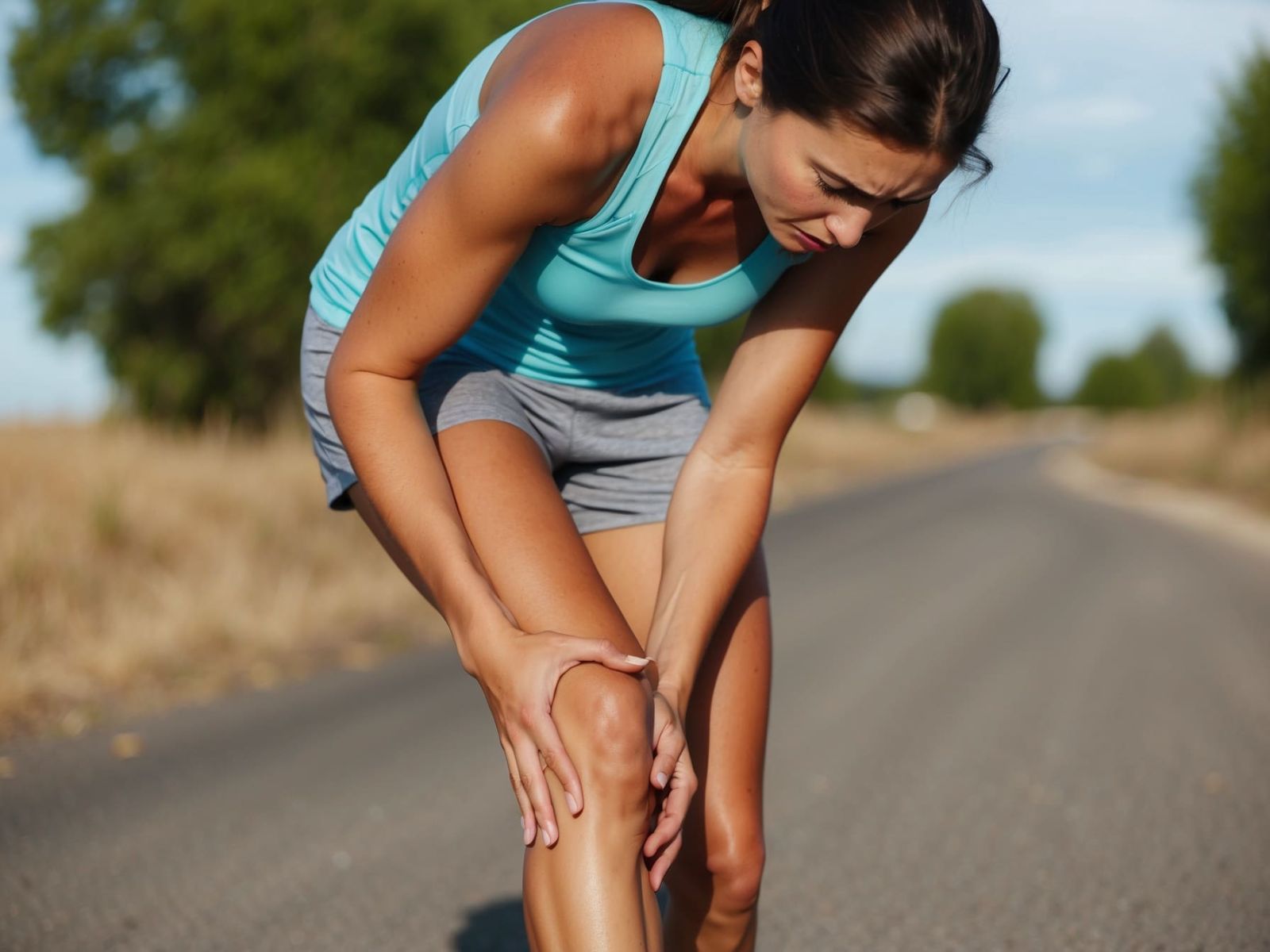
Knee plica syndrome is a condition that affects many people but is often overlooked or misdiagnosed. This condition can lead to pain, discomfort, and even limitations in daily life. Athletes and individuals frequently engaged in activities that place significant stress on the knee are particularly at risk. Timely recognition and treatment of knee plica syndrome are crucial to preventing potential long-term damage and maintaining knee health.
What is Knee Plica?
The synovial plica is a thin layer of mesenchymal tissue that functions as an inner membrane within the knee joint. During fetal development, this structure forms to separate the knee into three main compartments: the medial and lateral tibiofemoral areas and the suprapatellar bursa. Normally, this tissue begins to fold inward and is eventually resorbed, allowing the development of a unified knee cavity. However, in approximately 50% of the population, this tissue is not completely resorbed, resulting in synovial plicae remaining as permanent folds of the synovial membrane.
Diagnosis of Knee Plica Syndrome
Accurate diagnosis of knee plica syndrome is crucial for effective treatment. The diagnostic process typically begins with a thorough medical examination, during which the doctor evaluates symptoms, injury history, and conducts a physical assessment. Specific tests may be performed during the physical examination to elicit symptoms characteristic of knee plica, such as pain, clicking, or locking sensations.
For a more precise diagnosis, imaging techniques such as magnetic resonance imaging (MRI) and ultrasound are commonly used. MRI is particularly beneficial as it provides detailed visualization of soft tissues, including the synovial membrane and any plicae. Ultrasound, on the other hand, allows for a dynamic assessment of the knee and can demonstrate how the plica affects joint movement.
In some cases, arthroscopy may also be performed—a minimally invasive surgical procedure that allows the doctor to directly view the inside of the knee joint. Although arthroscopy is less commonly used solely for diagnostic purposes due to its invasive nature, it can provide valuable insights into the condition of the plica and other potential issues in the knee when combined with treatment.

Physiotherapeutic Treatment Methods
Physiotherapy is often the first choice for treating knee plica syndrome. The goal of physiotherapy is to reduce pain, improve mobility, and strengthen the muscles around the knee, thereby reducing stress on the joint and enhancing its stability.
- Manual Therapy: Physiotherapists use various manual therapy techniques, such as massage, tissue mobilization, and joint manipulation, to improve knee mobility and reduce pain.
- Therapeutic Exercises: Specific exercises designed to strengthen the quadriceps and gluteal muscles can help stabilize the knee and alleviate symptoms. They also focus on improving mobility and coordination, which is crucial for preventing further issues. Proprioceptive exercises enhance awareness of joint position, movement, and balance, which is essential for knee stability.
- Cold and Hot Compresses: Alternating between cold and hot compresses can help reduce inflammation and alleviate knee pain.
- Electrotherapy: Techniques such as TENS (Transcutaneous Electrical Nerve Stimulation) and ultrasound may be used to reduce pain and promote tissue healing.
- Mobility and Stretching Exercises: Improving mobility in the knee and surrounding joints can reduce tissue tension and increase the range of motion. Stretching muscles such as the quadriceps, glutes, calves, and hip flexors is a crucial part of the rehabilitation program.
- Muscle Imbalance Assessment and Targeted Exercises: A detailed assessment of muscle imbalances allows for the development of targeted exercises to strengthen weak muscles and stretch overly tight ones. This improves the biomechanics of the lower limb and prevents further strain on the knee joint.
- Patient Education: Physiotherapists play a key role in educating patients about proper body positioning, movement techniques, and strategies for preventing further injuries. Information on symptom management and returning to activities is essential.
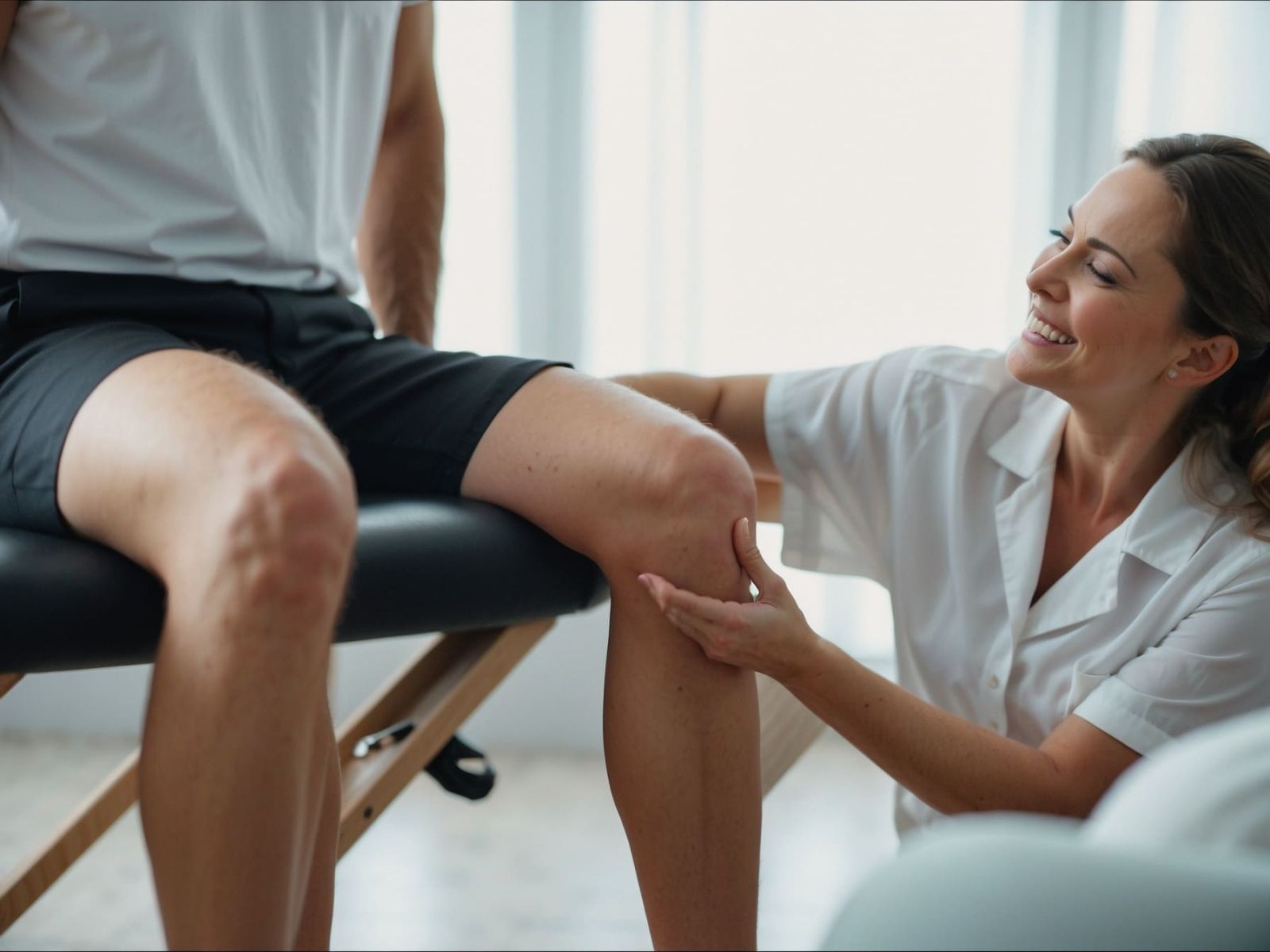
Early and targeted physiotherapy treatment can effectively address knee plica syndrome symptoms in many cases without the need for surgical intervention. In the next section, we will discuss specific home exercises and preventive measures that can help individuals with knee plica syndrome.
Exercises You Can Perform at Home
Incorporating regular exercises into your daily routine can significantly improve symptoms of knee plica syndrome. These exercises are designed to strengthen muscles, enhance mobility, and stabilize the knee joint.
- Strengthening exercises for quadriceps and gluteal muscles: Lie on your back with your legs straight. Slowly lift one leg while keeping it straight, hold it in the air for a few seconds, and then lower it. Repeat with the other leg. For gluteal strengthening, try bridges by lying on your back with bent knees, lifting your hips toward the ceiling, and holding for a few seconds.
- Mobility exercises: Sit on the floor with crossed legs or on a chair. Slowly bend and straighten your knee to improve its range of motion. Avoid movements that cause pain.
- Proprioceptive exercises: Stand on one leg and try to maintain balance for 30 seconds. For added challenge, perform this on a soft surface or with your eyes closed.
- Stretching exercises: Stand facing a wall, place one leg behind the other, stretch the back leg while slightly bending the front leg to stretch the calf muscles. Hold the position for 20–30 seconds, then switch legs.
Preventive Measures
To prevent or mitigate knee plica issues, consider the following key preventive measures:
- Regular physical activity: Maintaining an active lifestyle helps strengthen muscles and keep joints healthy. Avoid prolonged sitting in positions that increase tension on the knee joints.
- Proper posture and technique during exercises: Pay attention to your posture and technique during workouts or when lifting heavy objects to reduce the risk of improper stress on the knee joints.
- Avoiding excessive strain: Excess weight and certain activities can increase the risk of knee plica problems. Aim to maintain a healthy weight and avoid activities that place excessive stress on the knee.
- Wearing appropriate footwear: Footwear that provides good support for the feet and ankles can help distribute weight more evenly and reduce tension on the knee joint.
- Stretching and warming up before activity: Warm up adequately and stretch before any physical activity to prepare your muscles and joints for the upcoming effort.

By regularly performing these exercises and following preventive measures, individuals with knee plica syndrome can significantly improve their condition and reduce the risk of further issues. It is important to consult a physiotherapist or healthcare professional to ensure that the exercises and measures are suitable for your specific needs.
When to Seek Help?
While many knee plica syndrome symptoms can be effectively managed with home exercises and preventive measures, there are situations where professional help is necessary:
- Unbearable pain: If knee pain becomes so severe that it interferes with your daily activities or sleep, it’s time to consult a doctor.
- Restricted mobility: If you notice that your mobility is so limited that you cannot walk normally or perform basic movements, this is a clear sign that professional evaluation and treatment are needed.
- Symptoms do not improve: If you don’t see any improvement after a few weeks of regular exercises and following preventive measures, additional diagnostics and treatment may be required.
- Visible changes in the knee: Swelling, redness, or changes in the shape of the knee are warning signs that require immediate attention.

With the right combination of professional guidance, tailored treatment, and personal commitment to recovery, many individuals can successfully manage knee plica syndrome symptoms and return to their regular activities pain-free.