Kinesio Taping
Kinesio Taping: Techniques, Benefits, and Applications
In the world of sports and rehabilitation, a technique called kinesio taping is becoming increasingly popular. This method, which has gained popularity due to its effectiveness and versatility, offers numerous benefits for improving physical well-being and supports the healing of injuries. In this article, we will introduce you to what kinesio taping is, how it is correctly performed, and the advantages it provides.
Basics of Kinesio Taping
History and Development of Kinesio Taping
Kinesio taping is a technique developed by chiropractor Dr. Kenzo Kase. His goal was to create a method to support muscles and joints without restricting movement. This led to the invention of elastic tape that mimics the properties of skin, allows the skin to breathe, and provides minimal support and stimulation to the underlying tissue.
What is Kinesio Taping?
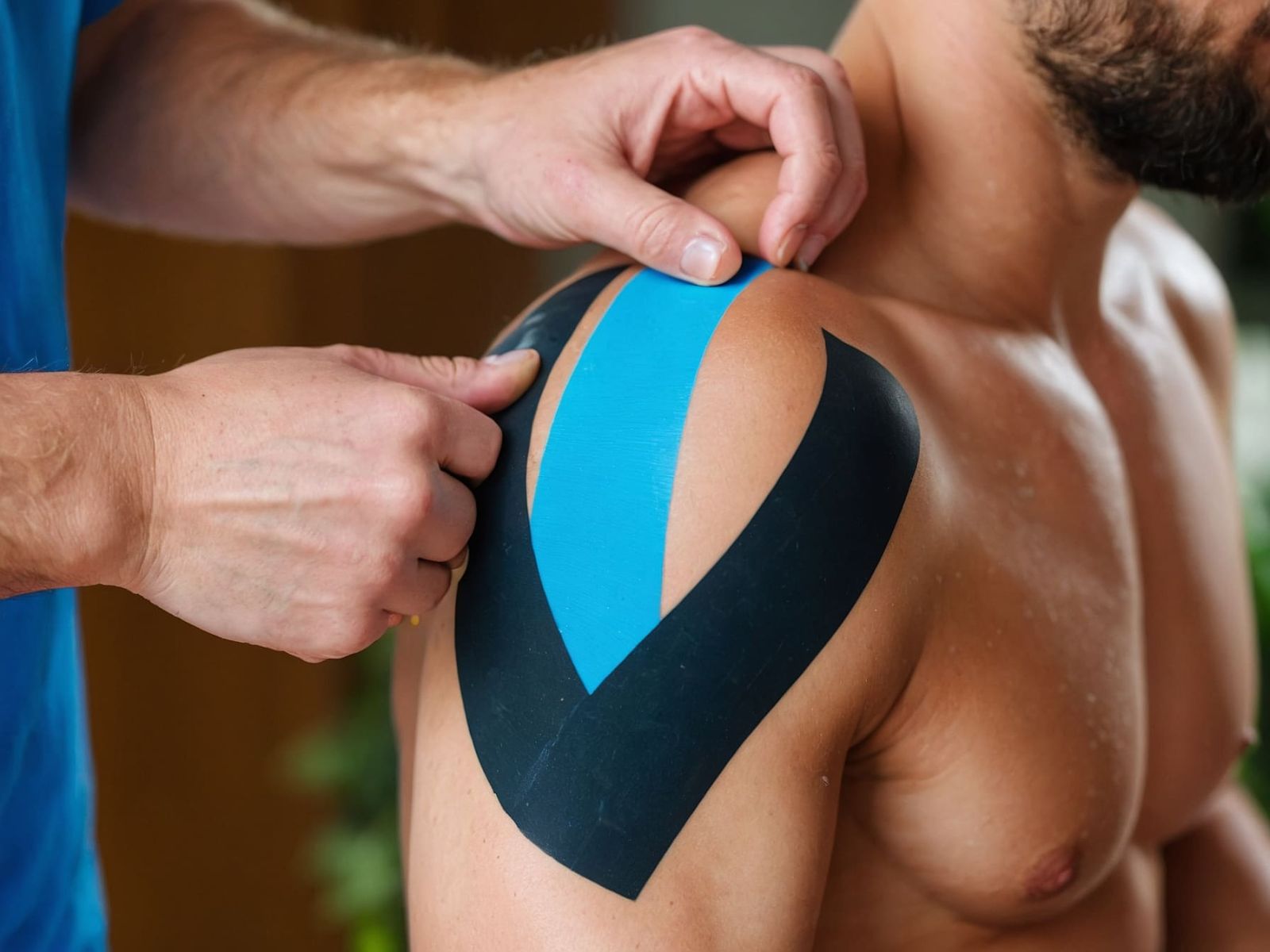
Kinesio taping is a technique in supportive therapy that has gained global recognition as an effective approach to aiding the body without restricting movement. This method involves the application of specially designed elastic tapes directly onto the skin. These tapes serve multiple purposes: from supporting the muscular system to alleviating pain, reducing inflammation, and improving lymphatic drainage and blood circulation. The unique design and elasticity of the tapes allow the skin to "breathe" while providing light but effective support to muscles and joints without limiting the natural range of motion. This means individuals can continue with most of their daily activities or sports engagements without additional stress on the affected areas.
Types of Kinesio Tapes
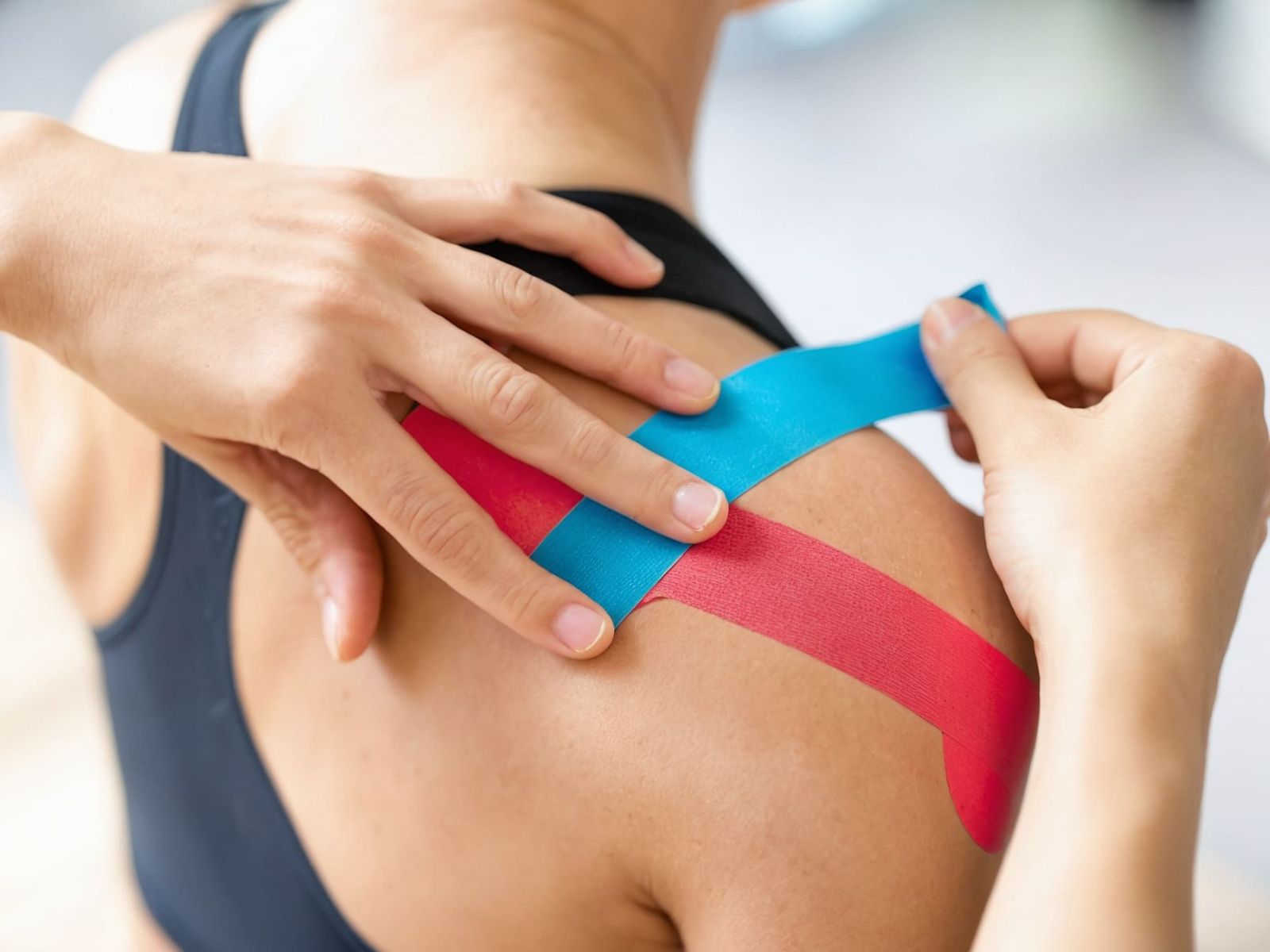
Kinesio tapes differ in material, elasticity, adhesive strength, and even color. This variety allows the tapes to be tailored to a wide range of needs and situations. For example, tapes with higher elasticity can be used for areas of the body requiring greater flexibility and movement, such as the shoulders or knees. Tapes with stronger adhesive properties are ideal for situations involving heavy sweating or water exposure, which is especially important for athletes participating in water sports. The water resistance of some tapes ensures they remain in place even under the most demanding conditions, such as swimming, diving, or triathlons. Additionally, the different colors of the tapes are not just an aesthetic choice. Some believe that they may have psychological effects, as certain colors can be stimulating or calming.
Kinesio Taping Techniques
Kinesio taping is more than simply sticking a tape to the skin. It is both an art and a science that requires an understanding of human anatomy and biomechanics. The application techniques are crucial for maximizing the therapeutic effects, whether for pain relief, improved movement, or support during the healing process.
Basic Application Techniques
The fundamental rule of kinesio taping is to apply the tapes in the direction of the muscle's natural movement. This provides support without restricting the range of motion. Key steps in the application process include:
- Skin Preparation: The skin must be clean, dry, and hair-free to ensure better adhesion and reduce the risk of irritation.
- Measuring and Cutting Tapes: Precise measuring and cutting are essential before application to ensure the tapes fit the size and shape of the affected area. Cut the required length with scissors and round the edges to prevent premature peeling.
- Stretching the Tape: Depending on the desired effect, the tapes can be stretched more or less. Greater stretch provides more support but may limit the range of motion.
- Applying the Tape: Gently attach the tape to the skin, starting at one end, ensuring there are no wrinkles or air bubbles.

Each technique is tailored to the specific anatomical and functional needs of the affected area, enhancing the effectiveness of the taping.
Advantages of Kinesiology Taping
Kinesiology taping is not just a trend in the world of sports and rehabilitation but a scientifically supported method offering numerous benefits for users. From improving physiological body functions to providing psychological support.
- Physiological effects on the body: One of the key mechanisms through which kinesiology taping works is by enhancing blood circulation and lymphatic flow in the affected area. This is particularly important during the healing process, as increased blood flow delivers essential nutrients and oxygen to damaged tissues, while efficient lymphatic drainage removes waste products.
- Psychological aspects: Colored tapes are not only functional but can also positively impact an individual’s confidence and motivation for movement.
Application of Kinesiology Taping
Kinesiology taping has become a valued part of therapeutic and sports routines worldwide, popular for its versatility and wide range of applications. From elite athletes to individuals facing everyday physical challenges, kinesiology taping offers support tailored to individual needs.
- Sports and recreation: Kinesiology taping serves as support to enhance muscle performance and optimize recovery after intense activities. Its elasticity allows athletes to maintain a full range of motion, which is crucial for performing complex, high-precision movements common in sports.
- Everyday use: Kinesiology taping is also useful in daily life for individuals who may not actively engage in sports. For those spending long hours sitting or standing, regular use of kinesiology tapes can significantly reduce back, shoulder, and neck pain. Properly applied tapes can improve posture and promote correct body mechanics, leading to reduced muscle tension and overall improved well-being. Additionally, kinesiology taping can act as a reminder to maintain proper posture throughout the day.
- Contraindications and precautions: Although kinesiology taping is highly beneficial for many, it is not suitable for everyone. Individuals with certain skin conditions such as eczema or psoriasis or those with allergies to the adhesive commonly used in the tapes should exercise caution. In cases of doubt or specific medical conditions, consulting a professional is essential to assess the suitability of kinesiology taping and to provide guidance on the best practices for its application.