

Physiotherapy for Women
How Does Safe Exercise During Pregnancy Work?
Physical activity during pregnancy offers numerous benefits, not only for expectant mothers but also for their unborn children. Exercise is recommended for most pregnant women as it can significantly improve overall well-being, ease some pregnancy symptoms, and prepare the body for the challenges of childbirth. However, it is essential to approach exercise thoughtfully, with a particular focus on safety, to ensure the best possible outcomes for both yourself and your unborn baby.
Why Is Exercise During Pregnancy Important?
Health Benefits and Well-Being
Exercise during pregnancy not only alleviates common pregnancy-related discomforts such as back pain, mood swings, and morning sickness but also has long-term health benefits for both mother and child. Studies indicate that regular exercise can reduce the risk of gestational diabetes, which affects approximately 9.2% of pregnant women worldwide. Additionally, exercise can improve blood pressure, lower the risk of pregnancy-related hypertension, and even decrease the likelihood of a cesarean delivery.
On an emotional level, physical activity acts as a natural antidepressant. The release of endorphins – the so-called happiness hormones – boosts mood and reduces feelings of anxiety and depression, which are common during pregnancy. This psychological effect is particularly important, as a positive mental state plays a key role in coping with the changes and challenges of pregnancy.
Preparation for Labor
As the body prepares for childbirth, exercise becomes a crucial tool for enhancing strength, endurance, and flexibility. This can not only ease the birthing process but also reduce recovery time postpartum. Strengthening the pelvic floor muscles, for example, is vital for supporting the bladder, uterus, and bowel, and for preventing incontinence, which is common after childbirth. Exercise during pregnancy thus lays a solid foundation for quicker recovery and a return to pre-pregnancy fitness.

Safety Measures for Exercising During Pregnancy
Consultation with a Doctor
The first and most crucial step before starting any exercise program is a comprehensive medical examination. This is essential to identify potential risks or limitations that could affect the safety of exercise. A doctor's advice can help you design an exercise plan tailored to your specific needs and condition. It is also important to regularly consult your doctor about any changes in your health during pregnancy to adjust your exercise regimen accordingly.
Adapting Exercises
When exercising during pregnancy, flexibility and attentiveness to your body's signals are key. Any discomfort or pain should be taken seriously, and the workout should be adjusted or stopped if necessary. Safety always comes first; avoiding exercises that cause pain or discomfort is essential, as is steering clear of activities that increase the risk of falls or abdominal impact. Exercise should be performed in a comfortable environment that is not excessively hot or humid to prevent overheating, which could harm both the mother and the unborn child.

By following these guidelines, pregnant women can effectively and safely engage in exercise, improving their health and well-being while making the birthing process easier. It is essential for every expectant mother to consult her doctor and adjust her workout to her needs and abilities to ensure the best possible outcomes for herself and her baby.
Recommended Exercises for Pregnant Women
- Walking: Walking is one of the simplest and safest forms of exercise that pregnant women can practice. It is an excellent way to maintain cardiovascular fitness without putting too much strain on the joints and muscles. You can adjust the intensity of walking according to your comfort and stage of pregnancy while enjoying fresh air and sunlight, which also boosts mood and health.
- Swimming and Water Aerobics: These activities offer unique benefits as water provides support and reduces body weight, making movement easier and lowering the risk of injury. Additionally, water provides natural resistance that helps strengthen muscles without straining the joints.
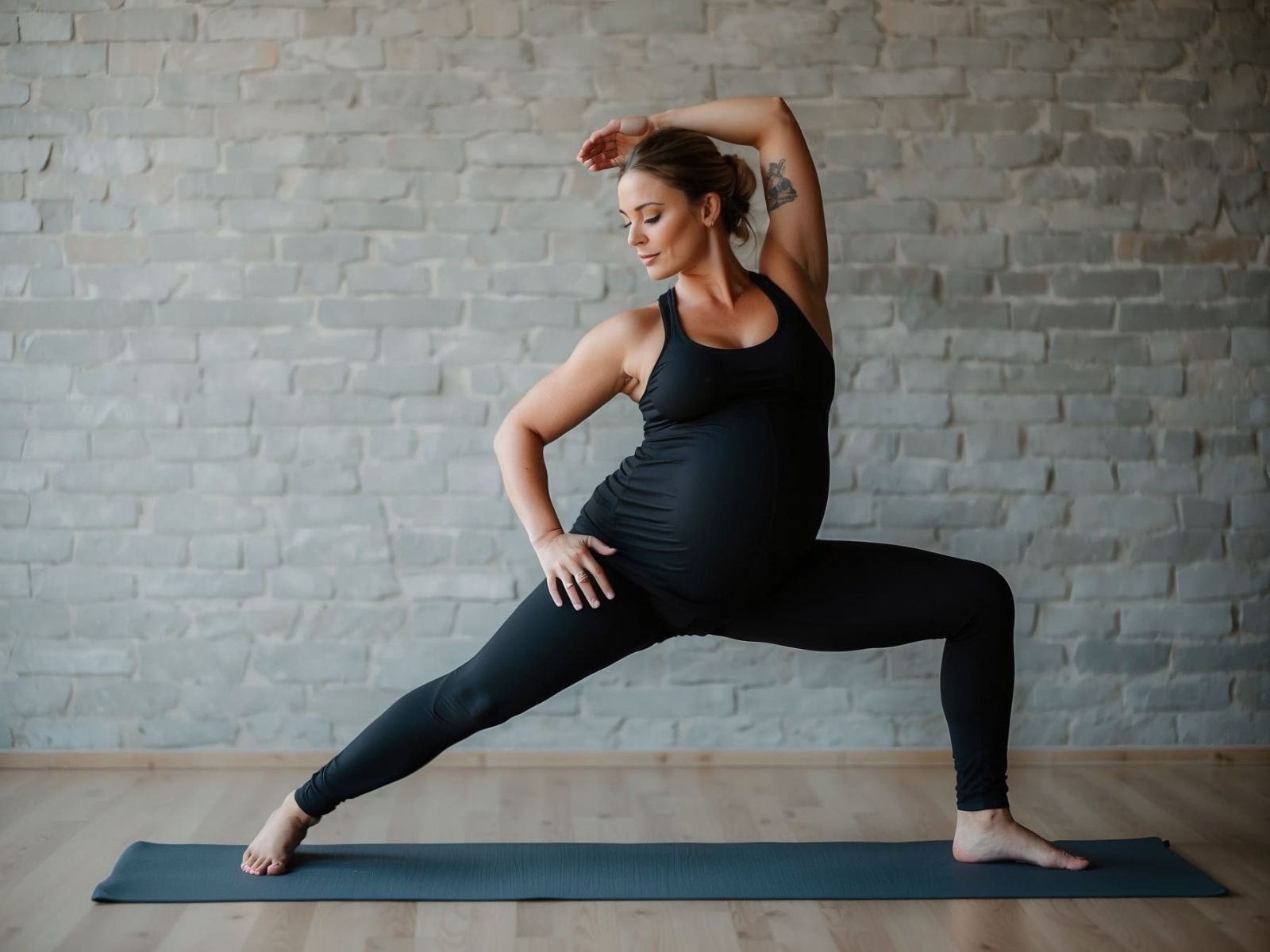
- Prenatal Yoga: Prenatal yoga not only strengthens the body but also calms the mind, which is especially beneficial during pregnancy. The practice includes poses (asanas) tailored for pregnant women, focusing on breathing, stretching, and mental relaxation. Prenatal yoga can improve flexibility, relieve tension and back pain, and prepare the body and mind for childbirth.
- Pilates for Pregnant Women: Pilates focuses on strengthening the core muscles, including the pelvic floor, which is crucial for supporting the body during pregnancy and recovery after childbirth. The exercises are designed to improve posture, reduce back pain, and strengthen abdominal muscles.
Which Exercises Should Be Avoided During Pregnancy?
During pregnancy, it is important to avoid certain types of exercises that could increase the risk of injury, falls, or other complications. These include:
- Sports with a high risk of falls or collisions (horseback riding, skiing, cycling on busy roads).
- Exercises involving jumping, deep bending, or sudden changes in direction, which may lead to loss of balance.
- Lying on your back after the first trimester is not recommended, as it can put pressure on a large vein that returns blood to the heart, potentially causing dizziness or fainting.
Exercises for Preparing for Labor and the Postpartum Period
- Breathing Exercises: Breathing exercises are fundamental for relaxation and can significantly help in managing pain during labor. Learning to breathe deeply and effectively not only improves oxygen delivery to your body and baby but also promotes relaxation and reduces stress.
- Pelvic Floor Exercises (Kegel Exercises): Kegel exercises are essential for strengthening the pelvic floor muscles, which play a crucial role in supporting pelvic organs and managing pelvic pressure during pregnancy and childbirth. Regular practice of these exercises can also help prevent or reduce issues with postpartum incontinence.
- Posture and Strength Exercises: Strengthening the core, back, and leg muscles is key to maintaining good posture and reducing back pain, which is common during pregnancy. Exercises like squats, lunges, and gentle weightlifting (or using resistance bands) are excellent for building strength without putting excessive strain on your joints.

Exercise during pregnancy can and should be an enjoyable part of your routine, benefiting both you and your baby. However, it is crucial to do so safely and thoughtfully. Always listen to your body, allow yourself to rest when needed, and avoid exercises that could increase the risk of injury or discomfort.