

Geriatric Physiotherapy
How Does Physiotherapy Help Overcome Balance Problems?
Good balance is a fundamental part of our daily lives, yet we often take it for granted until we encounter problems. These issues can arise from various causes, such as aging, injuries, or neurological disorders, and they can significantly impact your quality of life. However, there is a solution: physiotherapy. Physiotherapists are experts in addressing balance problems, offering a holistic approach to assessing, treating, and preventing these challenges.
Why Should You Pay Attention to Improving Your Balance?
There are many reasons, all of which are essential for our overall health, well-being, and better quality of life.
- Preventing Falls and Injuries: Regardless of your age, preventing falls is one of the most important reasons to improve your balance. Especially in older adults, falls can cause serious injuries. Good balance allows us to stay upright and stable even in challenging situations, reducing the risk of falls and related injuries.
- Improved Posture: Poor balance can affect our posture and spine. Long-term poor posture can lead to back, neck, and shoulder pain and contribute to chronic issues. Improving balance helps strengthen the core muscles, leading to better posture and reducing the strain on the spine and other structures.
- Muscle Strengthening: Improving balance often involves exercises that strengthen our muscles. Stronger muscles contribute to greater stability and lower the risk of falls. Additionally, balance training can increase bone density, which is crucial for preventing osteoporosis and other bone conditions.
- Psychological Effects: A stable and balanced body can positively impact our mental health. Improving balance can boost self-confidence, self-esteem, and inner peace. When we are physically strong and stable, we feel more confident in performing daily tasks and overcoming challenges.

It is clear that improving balance is crucial for our overall health, well-being, and quality of life. With regular exercise and balance training, we can strengthen our body and prevent many issues associated with a lack of balance.
How Does Physiotherapy Help with Balance Issues?
Maintaining good balance is essential for daily functioning and movement. Well-developed balance not only allows for the efficient completion of everyday tasks but also reduces the risk of falls and injuries. When faced with balance challenges, our ability to live independently may diminish, simple tasks become more difficult, and every step presents a potential risk. In such cases, physiotherapy proves to be invaluable.
- Individual Assessment: Physiotherapists conduct a comprehensive evaluation, examining muscle strength, coordination, and other factors that affect balance. This approach allows for a deeper understanding of individual needs and the creation of an appropriate therapeutic plan.
- Customized Exercise Programs: After assessing balance issues, physiotherapists design tailored exercise programs targeting specific concerns. These programs include exercises to improve muscle strength, coordination, and stability, personalized to the patient's needs and abilities.
- Specialized Tools: Physiotherapists utilize tools such as balance pads and stability bands to aid in enhancing balance.
- Gradual Progression: The physiotherapy process follows a gradual progression, starting with basic exercises and advancing to more challenging tasks. This minimizes strain and reduces the risk of injury.
- Progress Monitoring and Adaptation: Regular progress evaluations allow for adjustments to the therapy program based on achieved results, ensuring targeted and effective therapy for optimal improvement in balance.
- Psychological Support and Motivation: Physiotherapy addresses psychological factors by helping patients overcome fears, build confidence, and stay motivated throughout the therapeutic process.
Some Simple Exercises to Improve Balance
Improving balance is essential for stability and reducing the risk of falls. With simple exercises you can do at home, you can strengthen your muscles, improve coordination, and increase your body control. Here are a few easy exercises to help you:
- Standing on One Leg: Stand on one leg and lift the other leg off the ground. Try to hold your balance for as long as possible. For an added challenge, raise your arms above your head or close your eyes. Repeat on both legs.
- Walking on a Line: Stand on a straight line or draw one on the floor with chalk. Slowly walk along the line, focusing on maintaining your balance. For more of a challenge, try walking backward along the line.
- Half Lunge: Step forward with one leg, leaning forward so your lower body forms a right angle. Then, return to the starting position. Repeat the exercise on both sides.
- Hip Bridge: Lie on your back with your knees bent and feet flat on the floor. Place your arms at your sides. Slowly lift your hips toward the ceiling. While lifting your hips, focus on engaging your core muscles to maintain balance. Hold the top position for a few seconds before slowly lowering yourself back down. Repeat the exercise several times, ensuring smooth and controlled movements. This exercise not only improves balance but also strengthens core muscles, which are vital for body stability.
- Heel Raises: Stand on both feet and lift your heels off the ground, standing on your toes. Try to maintain balance and stability. Repeat the movement several times.
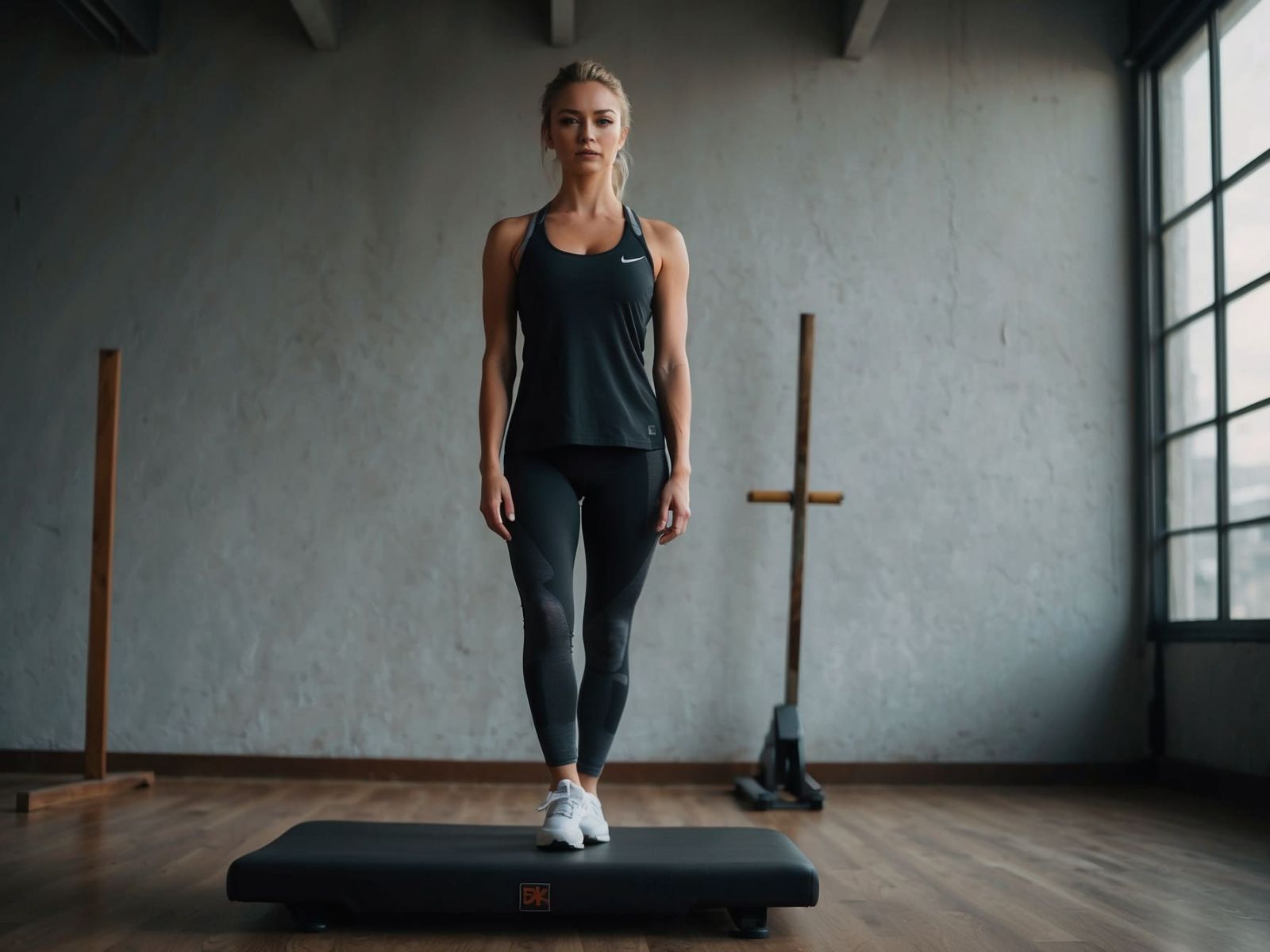 Regularly performing these simple exercises can help improve your balance, contributing to greater stability and confidence in daily activities. Pay attention to your body while exercising and listen to your limits. If you experience any issues or pain, consult a physiotherapist or another movement specialist.