

Physiotherapy
How can you help yourself with back pain?
Back pain is a common issue that many people face. Various factors, such as improper posture, lack of physical activity, and stress, can contribute to these unpleasant pains. However, there are several ways you can help yourself. In this article, we will present a few simple and effective methods.
Exercises for the Spine
Exercise for the spine plays a key role in maintaining a healthy spine and relieving pain. A varied exercise routine that includes both strengthening and stretching exercises contributes to spinal health. Let’s take a look at why this type of exercise is so important.
- Strengthening the muscles around the spine: strength training exercises targeting the muscles of the spine, core, and pelvis help stabilize them. This means that by strengthening these muscles, you will reduce the swaying and movement of the spine, which can lower the risk of injuries and pain. At the same time, strengthening the muscles that support the spine helps maintain proper posture. With proper posture, the load is evenly distributed across the spine, reducing pressure on specific areas.
- Stretching the muscles: stretching the muscles helps increase spinal flexibility. This is crucial for maintaining a greater range of motion and reducing stiffness, which can contribute to pain. Tight muscles can put pressure on the spine and surrounding tissues, leading to pain. Stretching the muscles relieves tension, improves blood circulation, and reduces the risk of muscle cramps.

For the best results, it is recommended to include a variety of strength and stretching exercises in your workout program. It is always advisable to consult a professional before starting a new exercise routine, especially if you already have any health issues.
Proper posture
Improper posture is one of the key factors contributing to back pain. Maintaining proper posture during everyday activities is essential for spinal health. Below is a brief overview of how proper posture can help prevent pain.
- Sitting position: it is important to ensure that your feet are flat on the ground, knees are at the correct angle, and your back is straight and slightly leaned back. Use ergonomic chairs that support the natural curve of the spine. Avoid sitting in the same position for extended periods, as this can put pressure on the spine.
- Standing position: make sure your shoulders are relaxed, your back is straight, and your abdomen is slightly engaged. Your feet should be shoulder-width apart. Avoid standing in uncomfortable positions for long periods, as this can place excessive strain on the spine.
- Ergonomic equipment and regular position changes: ergonomic equipment, such as chairs, desks, and cushions that support proper posture, helps reduce pressure on the spine and prevents unnecessary strain. Prolonged sitting or standing can lead to fatigue and stress on certain parts of the spine. By regularly changing positions, you allow different muscles to relax.
Massage and Physiotherapy
Massage and physiotherapy are effective approaches to managing back pain, as they focus on relaxing muscles, improving blood flow, and enhancing spinal functionality. Let's explore how these two therapeutic approaches contribute to pain relief and the improvement of spinal health.
Massage
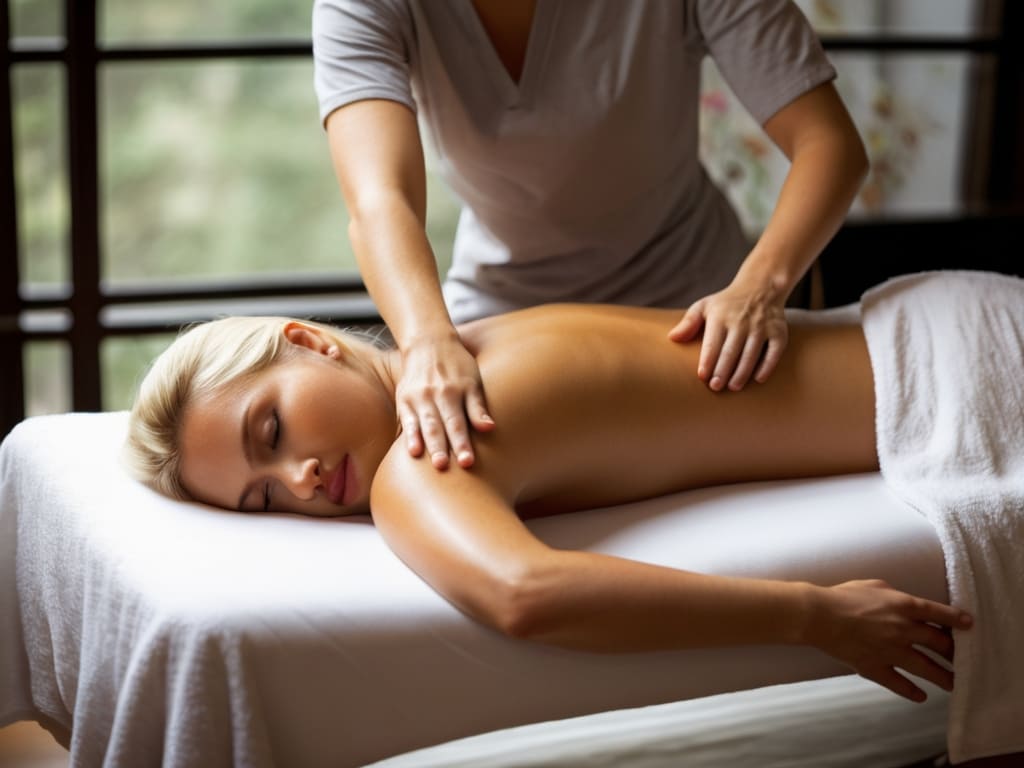
Massage helps to relax tense muscles around the spine, reducing tension and increasing the sense of relaxation. The therapist’s touch helps to release muscle knots and eliminate movement restrictions in the muscles. Massage stimulates blood circulation in the affected areas of the spine. Increased blood flow brings nutrients and oxygen to the muscles, promoting healing and helping to reduce inflammation. The relaxation brought about by massage can help reduce stress and anxiety, contributing to reduced body tension.
Physiotherapy
Physiotherapy involves the development of targeted exercises tailored to an individual’s condition and spinal issues. These exercises aim to strengthen specific muscle groups, improve posture, and increase spinal stability. Physiotherapists use various therapeutic techniques, including therapeutic stretching, joint mobilization, and spinal manipulation. These techniques help improve mobility and reduce pain. Physiotherapists can provide valuable information on proper spinal care, correct movement patterns, and preventive measures. This helps individuals better understand their condition and take an active role in improving their health.
Heat Therapy
Heat therapy is often a popular and effective way to relieve back pain, as it helps relax muscles, improve blood flow, and reduce discomfort. Heat increases the temperature of muscles and tissues, which promotes relaxation. Relaxed muscles are less tense and less prone to pain. Heat therapy helps reduce muscle spasms, which often accompany back pain, improving mobility and making movement easier. Heat causes blood vessels to dilate, increasing blood flow to the affected areas. Better circulation means that muscles are better supplied with nutrients and oxygen, speeding up the recovery process.
Different application methods:
- Heating pads: heating pads are a convenient way to apply targeted heat to painful areas of the spine. They can be placed on the back while sitting or lying down.
- Hot baths: a warm bath is an excellent method for relaxing the entire body. Warm water helps relax muscles and relieve tension throughout the back.
- Hot towels: hot towel wraps allow for localized heat application to specific areas. Wet towels with warm water, squeeze them out, and apply them to the desired area.
What to be careful about
It is important to avoid excessively high temperatures, as they can cause burns or worsen the condition. Always check the temperature before use. It is recommended to limit heat exposure to about 20 to 30 minutes.
Use of Orthopedic Aids
The use of orthopedic aids represents an effective approach to providing additional support for the spine and reducing strain on affected areas. These aids are carefully designed with a focus on ergonomics and support, offering improved comfort and pain relief.
- Specially designed seating cushions: while sitting, orthopedic cushions can be used to provide extra support and relieve the spine. Additionally, specially designed orthopedic shoes can help maintain proper foot alignment, which directly affects posture and reduces strain on the spine while walking.
- Ergonomic office equipment: adjustable chairs, desks, and keyboards also play an important role in maintaining proper posture during working hours and reducing strain on the spine.
Relaxation Techniques
Stress is a common companion in modern life, and in the case of back pain, it can further increase tension and discomfort. Effectively managing stress is essential for reducing strain on the spine. Various relaxation techniques help address these issues by working on both physical and psychological levels. Let’s explore how some relaxation techniques can benefit spinal health.
- Deep breathing: a simple technique that can be done anywhere and anytime. It reduces tension in the body, especially in the muscles around the spine. Slow and deep breathing activates the parasympathetic nervous system, helping to reduce stress and increase relaxation.
- Meditation: Involves practices that help calm the mind and increase awareness of the present moment. Regular meditation can reduce stress responses that negatively affect the spine and enhance the feeling of inner peace.
- Yoga: combines physical postures, breathing techniques, and meditation. Practicing yoga correctly can improve posture, strengthen the muscles around the spine, and increase flexibility, which together reduce tension and improve overall well-being.
- Progressive muscle relaxation: this technique involves gradually tensing and relaxing muscles throughout the body. It helps you become aware of tension in different muscle groups, allowing you to release it more effectively.
- Aromatherapy: using scents for relaxation. Certain essential oils, such as lavender or chamomile, have calming properties. Aromatherapy can help relax the body and mind, reduce stress, and ultimately improve well-being.
- Tai Chi: a Chinese practice that combines slow and fluid movements with relaxation techniques. Regular practice of Tai Chi can improve balance, strengthen muscles, and reduce stress, which has a positive impact on the spine.
Using relaxation techniques not only reduces stress but can also help in better managing back pain. It is crucial to find the technique that suits you best and incorporate it regularly into your lifestyle. By doing so, you will contribute to better mental and physical health, as well as overall well-being.