

Sports physiotherapy
Foam Roller for Muscle Relaxation – Why Do You Need It?
In the fast-paced modern lifestyle, we often forget the importance of taking care of our body and health. Persistent muscle tension caused by prolonged sitting, poor posture, or intense physical activity can lead to pain, fatigue, and even injuries. A simple yet effective tool that can help release tight muscles is the foam roller. This seemingly basic accessory can work wonders and help you improve your overall health.
What Is a Foam Roller and How Does It Work?
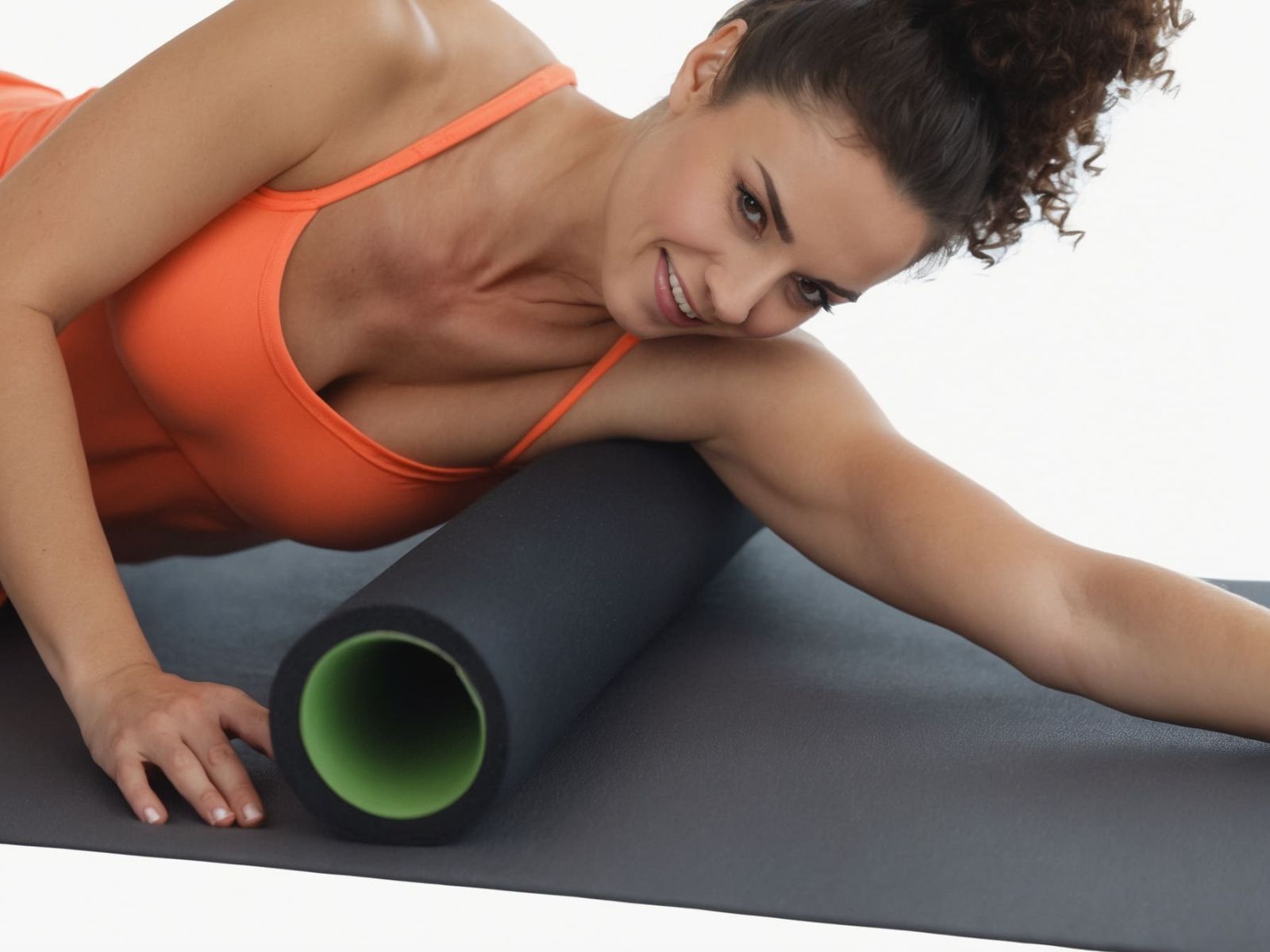
A foam roller is a popular tool for self-massage and myofascial release. Made from dense foam, it comes in various sizes and firmness levels, allowing users to choose the right roller for their individual needs. Its primary function is to perform deep tissue massage, which not only relaxes and stretches muscles but also improves their mobility and overall functionality.
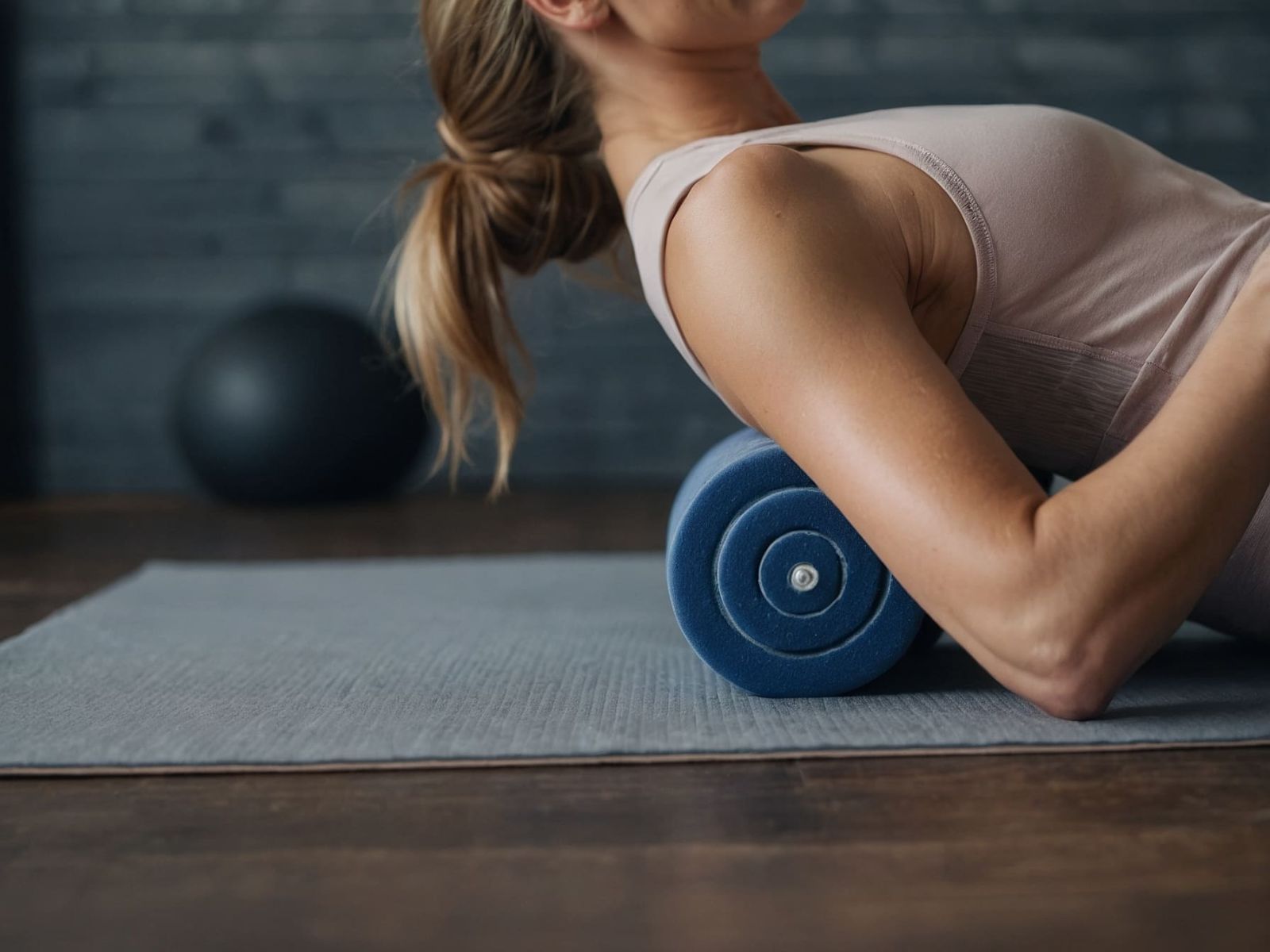
The foam roller works based on the principle of pressure created between the body and the ground. Users position the roller under the desired body part and "roll" back and forth using their body weight. This activity provides targeted massage to muscles and fascia – the connective tissue that surrounds and supports muscles. When fascia becomes tight or "stuck," it can cause pain and restrict movement. The foam roller helps break down these adhesions, improves blood circulation, accelerates recovery, and reduces the risk of muscle tension and injuries.
Benefits of Using a Foam Roller
The benefits of using a foam roller are numerous, encompassing both physical and psychological health. This tool not only helps release tight muscles and improve mobility but can also significantly enhance blood circulation.
- Improved Blood Circulation: Regular use of a foam roller significantly increases blood flow. This is essential for recovery, as increased blood flow delivers more oxygen and nutrients to muscle fibers, aiding faster healing after intense workouts. Improved circulation also helps flush out waste products like lactate, which can cause muscle soreness.
- Reduction in Muscle Tension: Foam rollers are highly effective at breaking up muscle "knots" or trigger points, which are often sources of pain and stiffness. Regular use of this tool keeps muscles flexible and less prone to injuries. For those suffering from chronic muscle tension or frequent cramps, the foam roller is an excellent tool for relaxation and muscle maintenance.
- Psychological Benefits: The psychological benefits of regular foam rolling should not be overlooked. The massage process and muscle relaxation can have a meditative and calming effect, reducing stress and enhancing mental well-being. Additionally, muscle relaxation is closely tied to better sleep quality, as reduced muscle tension and pain contribute to a more restful night.
Practical Tips for Using a Foam Roller
Understanding the correct techniques and approaches to foam rolling will ensure maximum benefits for your body:
- Start Slowly: When you first begin using a foam roller, avoid applying excessive pressure. Instead, start with cautious and gentle movements to allow your muscles to gradually adapt to the roller's pressure. Over time, you can gradually increase the intensity, but avoid overdoing it to prevent excessive pain or injury.
- Focus on Muscle Groups: During the massage, focus on large muscle groups such as the thighs, calves, back, and glutes. Avoid rolling directly over bones or joints, as this can cause discomfort or even injury.
- Roll Slowly and Controlled: It’s important to roll slowly and in a controlled manner to allow a deeper effect on muscles and fascia. Pause on particularly sensitive spots for a few seconds to let the muscles relax and stretch. Don’t rush your movements; instead, focus on each body part you’re rolling.
- Consistency: For optimal results, incorporate foam rolling into your daily routine. It is recommended to use it regularly, especially after workouts or during long periods of sitting. This will help keep your muscles flexible and reduce tension, benefiting your overall well-being and muscle health.
Common Mistakes to Avoid
When using a foam roller, avoid the following common mistakes:
- Excessive Pressure: Aggressive rolling with too much pressure can cause more harm than good. If you feel severe discomfort or pain, reduce the pressure or stop using the roller.
- Rolling Too Quickly: Rolling too fast can prevent effective muscle release and may cause additional discomfort or pain. Ensure you roll slowly and in a controlled manner to allow muscles to properly relax.
- Neglecting Breathing: Don’t forget to focus on your breathing during the massage. Proper breathing can enhance muscle relaxation and the effectiveness of the massage. Take deep breaths when rolling towards the heart and exhale when rolling away from it.
How to Choose the Right Foam Roller
Choosing the right foam roller is essential for achieving optimal results and avoiding injuries. Here are some tips to help you select the right one:
Material
Foam rollers come in various materials that differ in density and durability. The most common materials are:
- EVA Foam: Lightweight but very durable, offering medium to high density, suitable for most users.
- Polyethylene: Typically softer and less intense, ideal for beginners or those who prefer a gentler massage.
- Closed-Cell Foam: This firmer material is more resistant to wear and provides a more intense massage, ideal for experienced users or those requiring deeper muscle release.
Hardness
The roller's hardness affects the intensity of the massage. Rollers are typically divided into:
- Soft: These rollers are less intense and perfect for beginners, individuals with high sensitivity, or recovery days.
- Medium: This category is the most versatile and suitable for most users looking for a balanced massage.
- Hard: Designed for advanced users or those with chronically tight muscles who need deeper release.
Size and Shape
When selecting the size and shape of the roller, consider the following:
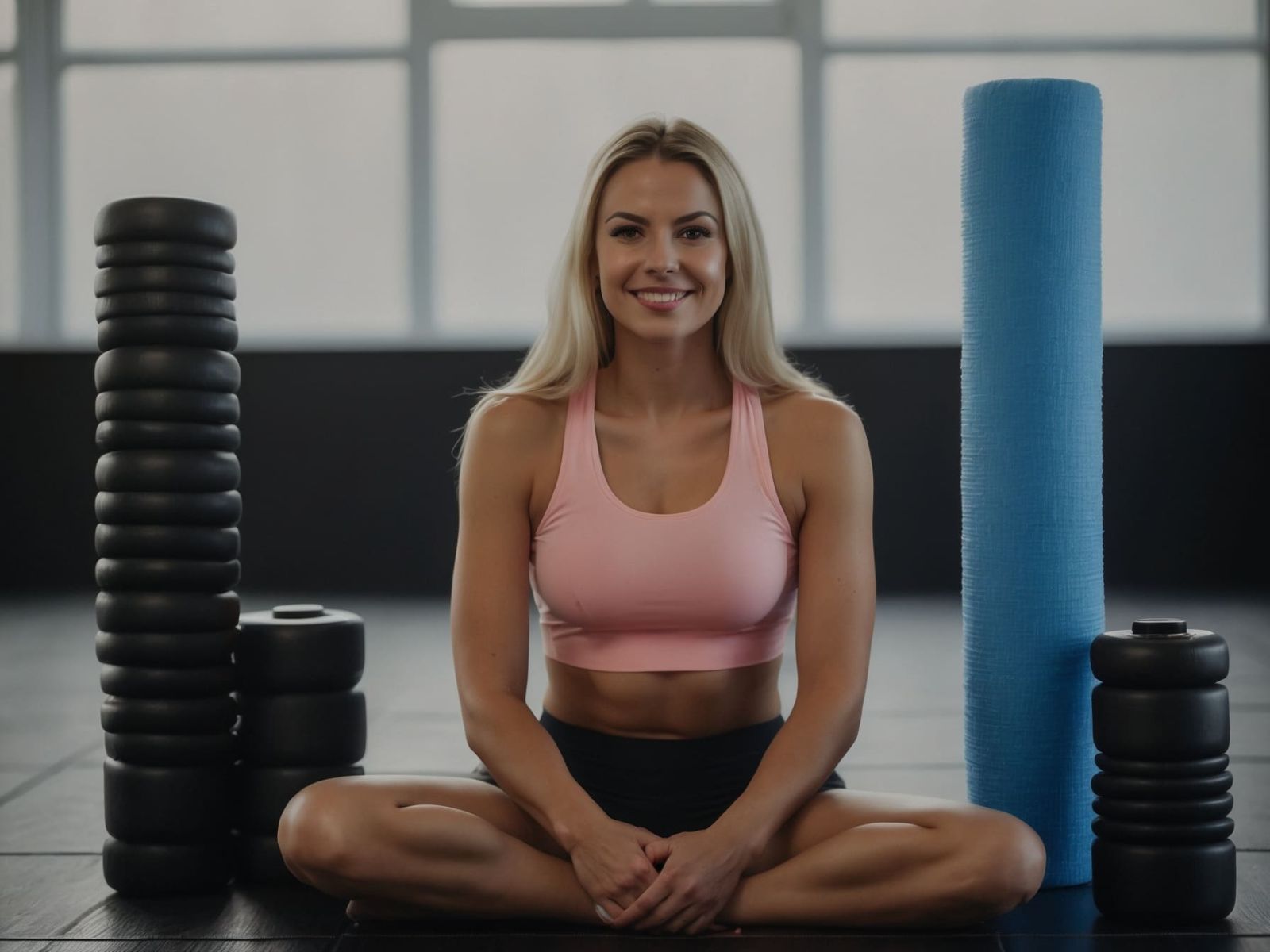
- Standard Rollers (about 60 cm in length): These rollers are suitable for use on most parts of the body and are ideal for general use.
- Shorter Rollers (30–45 cm): These are more portable and great for targeted massages of smaller areas like arms or legs.
- Special Shapes, such as ridged or spiked rollers: These provide a more targeted and intense massage as they offer additional stimulation to muscles and fascia.
The prices of foam rollers vary depending on the material, hardness, and brand. Investing in a high-quality roller can pay off in the long run, as it will last longer and provide better results.