

Physiotherapy
Flat Feet: Symptoms, Causes, and Treatment
Flat feet, also known as pes planus, are a common anatomical feature found in many people worldwide. While they may seem harmless at first glance, this condition can lead to various issues that affect daily life and overall well-being. In this article, we will discuss the symptoms, causes, and treatment options for flat feet to help you better understand this condition and find the best solutions.
What Are Flat Feet?
Flat feet are a condition where the arch of the foot is not sufficiently raised off the ground, causing the entire sole to come into contact with the surface. In people with a normal foot arch, the arch lifts off the ground when standing, walking, or running. In flat feet, the arch is either completely absent or very low. Normally, the feet have two important types of arches: the longitudinal arch, which runs along the inner edge of the foot, and the transverse arch, which spans the front part of the foot. These arches act as natural shock absorbers that cushion impacts while walking and running and help distribute body weight evenly across the foot. When these arches are underdeveloped or absent, the foot loses its natural cushioning function, potentially causing various problems.
Different Types of Flat Feet
Flat feet can be categorized into two main types: flexible and rigid flat feet.
- Flexible flat feet: In flexible flat feet, the arch is visible when the person is not standing on their feet but disappears when the foot is bearing weight. This type is most common in children and often resolves without treatment as they grow. Flexible flat feet typically do not cause significant pain or problems unless they are severely pronounced.
- Rigid flat feet: In rigid flat feet, the arch is absent regardless of whether the foot is bearing weight or not. This condition is less common and may be associated with other health issues such as bone or joint deformities. Rigid flat feet are usually more painful and may require more intensive treatment.
Additional Characteristics of Flat Feet
- Asymptomatic flat feet: Many people with flat feet never experience pain or other symptoms, so no treatment is needed. In such cases, flat feet do not negatively impact quality of life.
- Symptomatic flat feet: When flat feet cause pain, foot fatigue, difficulty wearing shoes, or affect posture and gait, intervention is necessary. Pain can occur in the feet, ankles, knees, hips, or lower back.
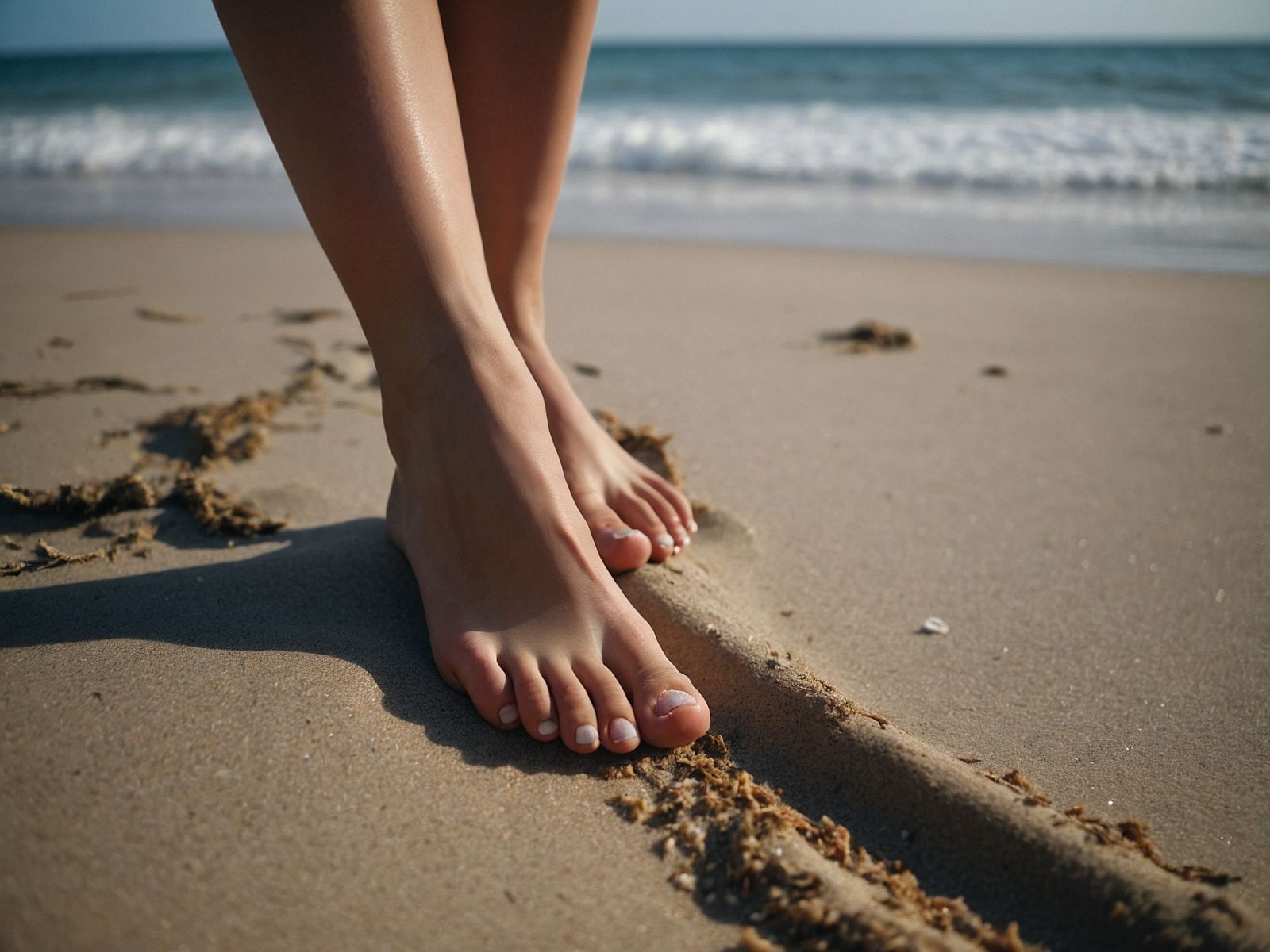
Flat feet are a condition that can be either congenital or acquired due to various factors such as injuries, age, excessive weight, or other health issues. It is important to understand that flat feet vary among individuals, and treatment must be tailored to the specific needs of each person.
Symptoms of Flat Feet
Symptoms of flat feet can vary greatly and differ from person to person. While some individuals experience no issues, others may encounter various discomforts, such as:
- Foot pain: The most common symptom of flat feet is foot pain, particularly in the arch and heel areas. The pain may worsen after prolonged standing or walking. This pain can limit daily activities and cause discomfort while moving.
- Pain in knees, hips, and back: Flat feet can affect posture and gait, potentially leading to pain in the knees, hips, and lower back. When the arch of the foot is absent, it changes the way the foot absorbs impacts and distributes body weight. This can cause excessive stress on joints and muscles in other parts of the body, leading to secondary pain and discomfort.
- Foot fatigue: People with flat feet may feel fatigue or a sensation of heaviness in the feet after prolonged standing or walking. This fatigue results from the inadequate support provided by flat feet, causing the muscles in the feet to overwork to stabilize the body. The result can be a feeling of fatigue that often worsens with time and activity.
- Difficulty wearing shoes: Flat feet can make it difficult to wear certain types of shoes, as they may cause discomfort or even pain. People with flat feet often struggle to find suitable shoes that provide enough support and comfort. As a result, many seek special orthopedic insoles or customized shoes that better support their needs.
Additional Symptoms
In addition to the listed symptoms, flat feet can also cause other issues, such as:
- Swelling of the feet and ankles: Due to improper weight distribution, fluid retention can occur in the feet and ankles.
- Frequent injuries: People with flat feet are more prone to injuries such as ankle sprains or tendon inflammation due to faulty foot biomechanics.
- Limited mobility: Flat feet can restrict foot mobility, making certain movements or athletic activities more difficult.

Understanding the symptoms of flat feet is crucial for an accurate diagnosis and appropriate treatment. If you notice any of these symptoms, it is recommended to consult a doctor or specialist who can help you find the best solutions for your condition.
Causes of Flat Feet
The causes of flat feet can be either congenital or acquired. Some of the most common causes include:
- Genetics: Flat feet can be hereditary, meaning the condition can be passed down from generation to generation. If parents or grandparents have flat feet, there is a higher likelihood that their descendants will have the same condition. Genetic factors can influence the shape and structure of the foot, leading to abnormalities in the arch.
- Injuries: Injuries to the foot or ankle can lead to flat feet, including fractures, ankle sprains, or ligament damage. Injuries that affect tendons, ligaments, or bones in the foot can compromise the stability and support of the arch.
- Age: Age-related changes in the muscles, ligaments, and tendons of the foot can weaken these structures, causing the arch to collapse. Degenerative changes in joints and bones, such as those caused by arthritis, can also contribute to the development of flat feet in older adults.
- Obesity: Excess body weight can put additional pressure on the feet, potentially leading to flat feet. Greater body weight places more stress on the joints and muscles of the foot, causing the arch to flatten.
- Pregnancy: Hormonal changes and increased weight during pregnancy can temporarily cause flat feet. Hormones released during pregnancy relax the ligaments and tendons in the body, affecting foot structure. The added body weight during pregnancy further strains the feet, potentially causing a temporary flattening of the arch.
- Neurological and muscular diseases: Certain conditions, such as cerebral palsy or muscular dystrophy, can affect the shape and function of the feet. Neurological diseases can impair muscle control and strength in the feet, leading to abnormalities in the arch.

Understanding the various causes of flat feet is crucial for the correct diagnosis and treatment of this condition. Each individual is unique, so it is important to consult a healthcare professional when problems arise, to identify the cause and recommend the best therapy.
Diagnosis of Flat Feet
The diagnosis of flat feet is usually made by a doctor based on a clinical examination and medical history. The diagnostic process includes several steps to help the doctor assess the condition of the feet and determine the best treatment options.
Clinical Examination
- Medical History: The doctor will gather detailed information about your medical history, symptoms, and lifestyle.
- Foot Examination: The doctor will visually inspect the feet to evaluate their shape and structure. They will closely observe how the feet appear while standing and sitting, checking for the presence or flattening of the arch and any deformities or irregularities.
- Gait and Posture Evaluation: The doctor may ask you to walk to assess your posture and gait. They will observe how the feet move, your balance, and how weight is distributed across different parts of the foot during walking. This helps them understand the impact of flat feet on your movement.
- Palpation: The doctor will examine the sensitivity and pain in various areas of the foot through touch. Palpation helps identify painful spots, inflammation, or other irregularities that could indicate problems related to flat feet.
- Mobility Assessment: The doctor will check the mobility of the joints in the foot and ankle. This includes evaluating how well the foot moves in different directions and assessing muscle strength and tension. Limited mobility or muscle weakness may indicate additional issues that need to be addressed during treatment.
Additional Examinations
Additional tests may sometimes be necessary, to rule out other potential causes of pain and irregularities and to better assess the condition of the feet:
- X-rays: X-rays allow the doctor to examine the bony structures of the foot and ankle. They help detect fractures, arthritis, or other bone abnormalities contributing to flat feet.
- MRI (Magnetic Resonance Imaging): This scan provides detailed images of soft tissues, such as muscles, tendons, and ligaments. It is particularly useful for identifying injuries or inflammation of the posterior tibialis tendon or other soft tissues supporting the arch.
- CT (Computed Tomography): This scan offers precise images of bones and joints and helps identify complex structural issues in the foot. It is used when X-rays or MRIs do not provide sufficient information.
- Ultrasound: This non-invasive method can assess the condition of tendons and ligaments in the foot. It helps diagnose inflammation, injuries, or degenerative changes in soft tissues.
Gait Tests and Pressure Analyses
In some cases, the doctor may recommend gait tests or pressure analyses, which measure how the feet bear weight during movement.
- Gait Analysis: Uses specialized sensors and cameras to monitor your gait. It helps identify irregularities in movement and foot loading.
- Pedobarographic Tests: These tests measure pressure on different parts of the foot during movement. They help determine how flat feet affect weight distribution and foot loading.
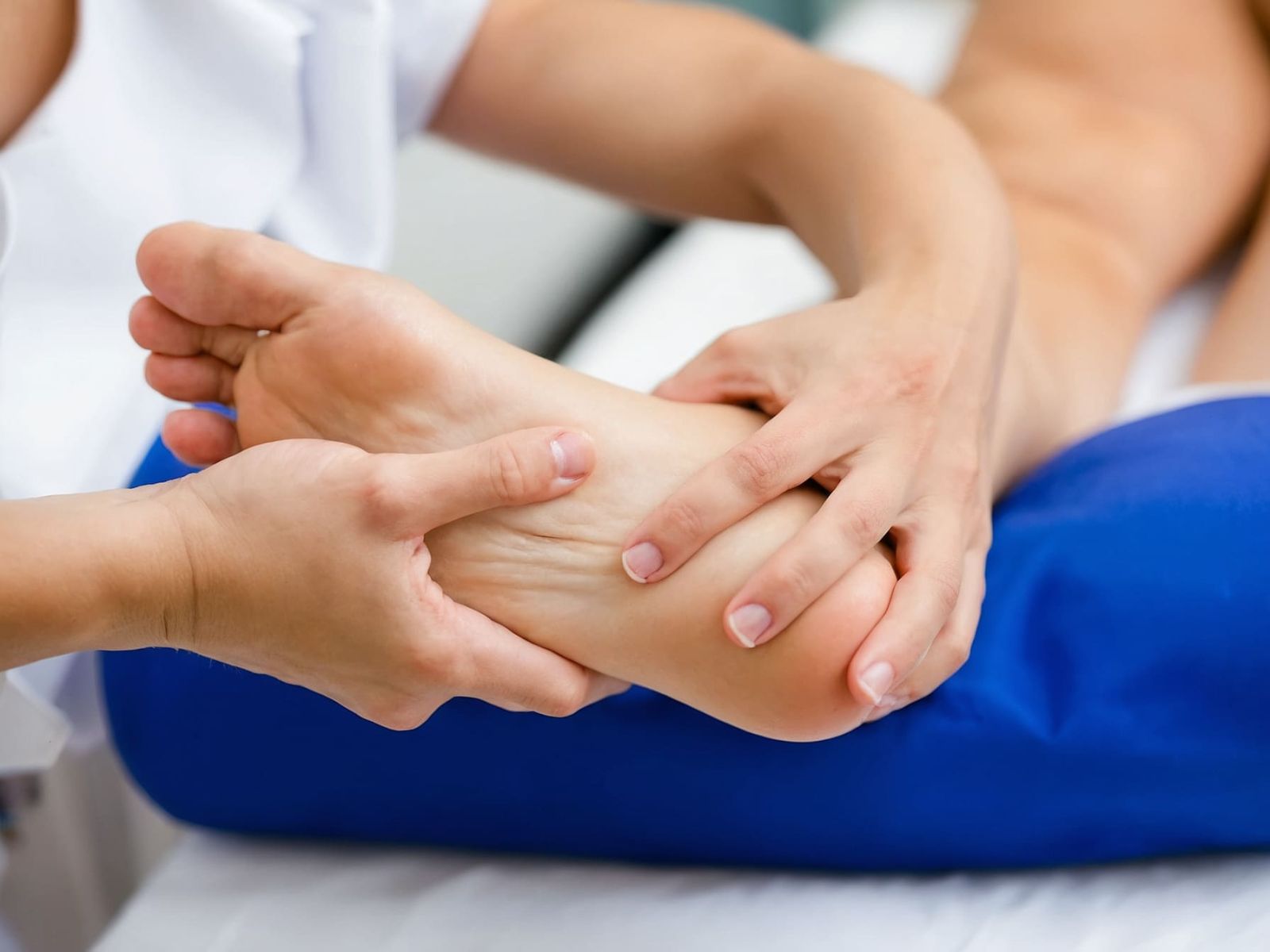
The diagnosis of flat feet is crucial for appropriate treatment. If you notice symptoms suggesting flat feet, consult a doctor or orthopedist who can help identify the cause of the issues and recommend the best treatment options.
Treatment of Flat Feet
The treatment of flat feet depends on the severity of the symptoms and the underlying causes. In most cases, treatment is conservative and does not involve surgical intervention.
- Orthopedic insoles: These are one of the first and most common methods for treating flat feet. Insoles help evenly distribute weight across the foot, reduce pressure on painful areas, and prevent further damage. Orthopedic insoles can be purchased at pharmacies or specialty stores and can also be custom-made for a better fit and greater effectiveness.
- Physical therapy: Includes exercises to strengthen the foot muscles and stretching exercises that can help improve foot function and reduce pain. A therapist can guide you through specific muscle-strengthening exercises.
- Change in footwear: Wearing comfortable and supportive shoes can significantly improve the symptoms of flat feet. It is recommended to choose shoes with adequate toe room, good arch support, cushioned soles, and stable heels. Avoid wearing high heels or flat-soled shoes, as these do not provide sufficient support for the feet.
- Weight reduction: For individuals who are overweight, losing weight can reduce pressure on the feet and improve symptoms. Less weight decreases the strain on the joints and muscles in the feet, which can help reduce pain and enhance overall foot function. A balanced diet and regular physical activity are key to achieving and maintaining a healthy weight.
- Anti-inflammatory medications: For pain and inflammation, a doctor may prescribe anti-inflammatory medications to alleviate symptoms. It is important to follow the doctor’s instructions and not exceed the recommended doses.
- Foot massage: Massage can help relax tense muscles and alleviate pain.
Surgical Treatment
In rare cases, when conservative treatments do not provide relief, surgery may be required to correct the foot structure. Surgical procedures may include:
- Bone correction: Reshaping the bones to create a better foot arch.
- Tendon reconstruction: Repair or replacement of damaged tendons.

Surgery is usually the last option when all other treatment methods have failed. With proper care and treatment, most people with flat feet can lead a full and active life.