

Kinesiology
Exercises and tips for a healthy spine
A healthy spine is essential for overall well-being and quality of life. In today’s fast-paced life, where we spend most of our time sitting, we often forget to take care of our spine. However, regular exercise and proper care play a crucial role in preventing back pain, improving posture, and maintaining physical flexibility.
Exercises for a healthy spine
Cobra Pose
The "Cobra" pose is an excellent exercise for strengthening the back muscles, particularly those in the upper back, spine, and shoulder girdle. In addition, it helps maintain good posture and improves spinal flexibility.
- Preparation: lie on your stomach on a flat surface, stretch your legs, and place your feet slightly apart. Position your palms under your shoulders with fingers pointing forward. Keep your legs stretched and in a comfortable position.
- Exercise execution: begin by slowly lifting your upper body with the help of your arms. Keep your arms extended with slightly bent elbows. As you raise your torso, make sure to relax your lower body and thighs, maintaining contact with the floor only through your hips and lower abdomen. Lift your torso to the point where you feel tension in your upper back, without lifting your pelvis or bending your neck backward. Hold the position at the top for a few seconds while breathing evenly. Maintain tension in the spine, but avoid overdoing it to prevent unnecessary strain. Slowly lower yourself back to the starting position by bringing your torso down to the floor. Repeat the movement several times, depending on your strength and fitness level.
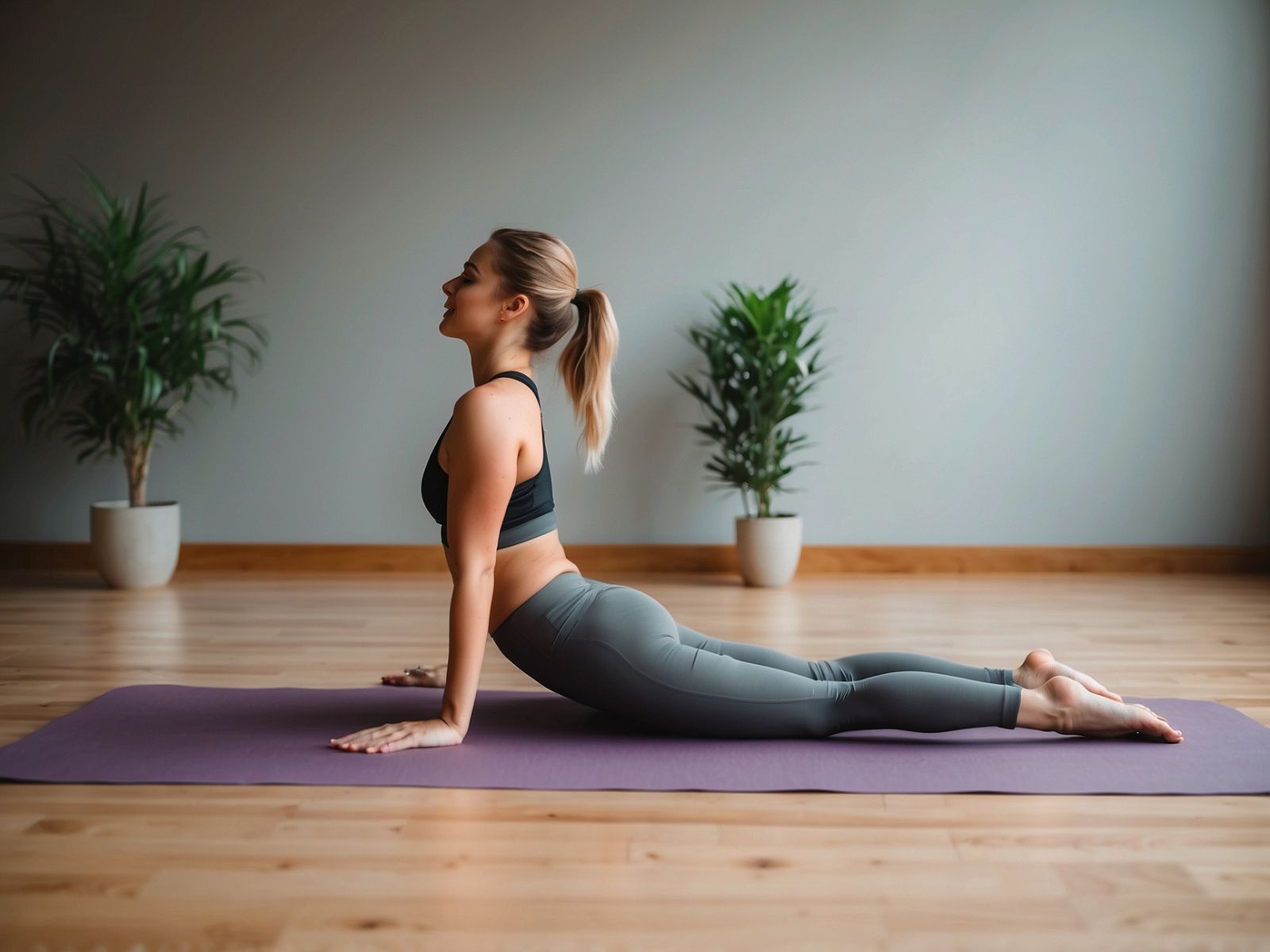
The "Cobra" pose not only strengthens the back muscles but also stretches the chest, which is beneficial for those who spend a lot of time sitting. Regularly incorporating this exercise into your workout routine can help maintain good posture and prevent back pain.
Bridge Exercise
The "Bridge" is an effective exercise targeting the strengthening of the back, glutes, and thighs. Performing this exercise helps improve core stability, increases lower back strength, and tones the gluteal muscles.
- Preparation: lie on your back on a flat surface, such as an exercise mat or a comfortable carpet. Bend your knees, with feet hip-width apart. Extend your arms alongside your body, with your palms facing down and placed on the floor.
- Exercise execution: relax your shoulders and neck, and ensure that your legs are comfortably positioned. Lift your hips towards the ceiling, aligning your back to form a straight line from your shoulders to your knees. Keep tension in your glutes and thighs, and avoid lifting your hips too high, as this could place excessive strain on your lower back. Engage your abdominal muscles for added stability. Hold the position at the top for a few seconds while breathing evenly. While lifted, try to maintain the natural curve in your lower back. Slowly lower your hips back to the floor, starting with the upper back and then the lower back. Repeat the movement several times, depending on your abilities and goals.
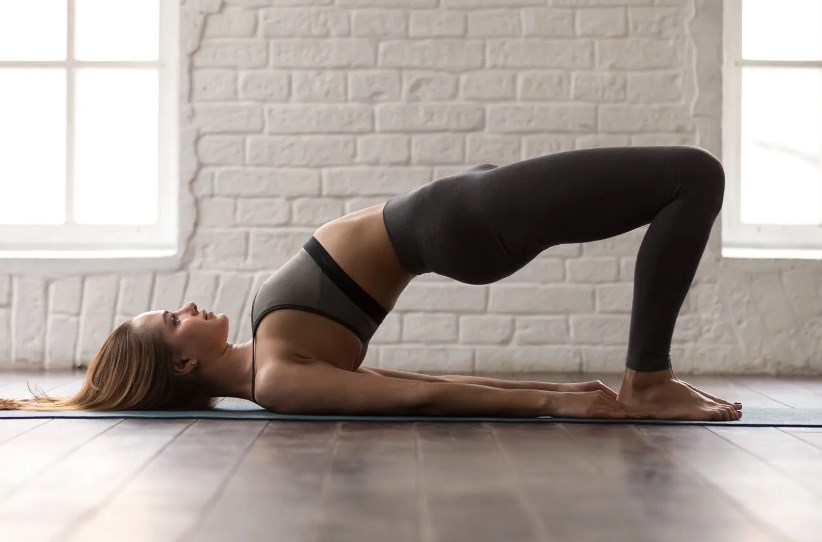
The "Bridge" exercise not only strengthens the muscles of the back, glutes, and thighs, but also activates the core muscles, contributing to overall core stability. Regularly performing this exercise can improve posture, prevent lower back pain, and increase strength and endurance in this area of the body.
Tree Pose
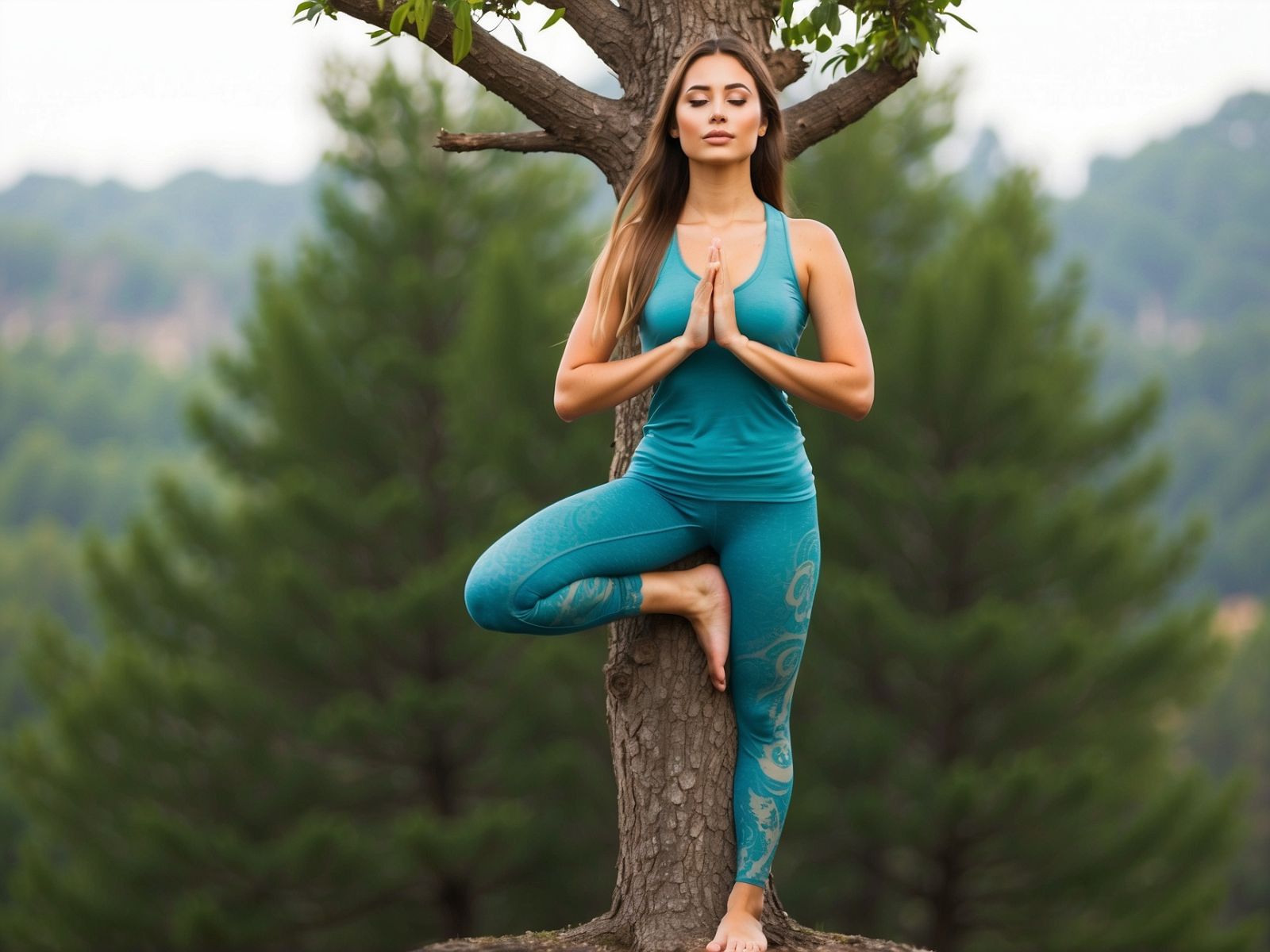
The "Tree" pose combines elements of balance, strength, and concentration. It is an excellent exercise for strengthening the muscles in the back, core, and legs, while also improving balance and stability.
- Preparation: stand upright on a flat surface with your feet together. Relax your shoulders, lift your chest, and maintain the natural curve in your spine. Place your arms at your sides or bring them together in front of your chest in a prayer position.
- Exercise execution: lift one foot and place it on the inner thigh of the opposite leg. It’s important to avoid pressing on the knee and to try to place the foot as high as possible on the inner thigh. Once you find stability, you can raise your arms above your head and bring your palms together. Keep your gaze focused on a point in front of you to help maintain balance. Hold the position at the top for a few seconds, trying to keep steady and breathe evenly. Engage your core and back muscles to support your balance. After completing the series on one leg, switch sides and perform the exercise on the other leg. The "Tree" pose emphasizes spinal stabilization and activates the muscles responsible for maintaining an upright posture. Additionally, it strengthens the leg muscles and improves balance, which is essential for daily activities. Proper execution of this pose requires concentration and body awareness, contributing to an overall sense of well-being.
Cat-Cow Pose
The "Cat-Cow" is a dynamic exercise performed on all fours that involves alternating between arching and extending the spine. This movement exercise improves spinal flexibility, strengthens the core muscles, and helps release tension in the back. Position yourself on your hands and knees, with your hands placed directly under your shoulders and your knees under your hips. Keep your palms and knees slightly apart. Maintain a natural curve in your lower back and look down toward the floor.
- Execution of the Cat pose: start by arching your back upwards, as if you are trying to pull your spine toward the ceiling. Simultaneously, lower your head toward your chest and try to pull your belly button toward your spine. Hold this position for a few seconds and feel the stretch in your upper back.
- Execution of the Cow pose: next, extend your back in the opposite direction, lowering your belly toward the floor and lifting your head as you look up toward the ceiling. Try to open your shoulders and feel the stretch in your lower back.
- Alternating movements: continue alternating between the Cat and Cow positions. The movement should be smooth and rhythmic. Repeat the movement several times, following the rhythm of your breath. Inhale as you perform the Cat pose and exhale as you perform the Cow pose. It is important to pay attention to the range of motion based on your comfort and spinal flexibility.

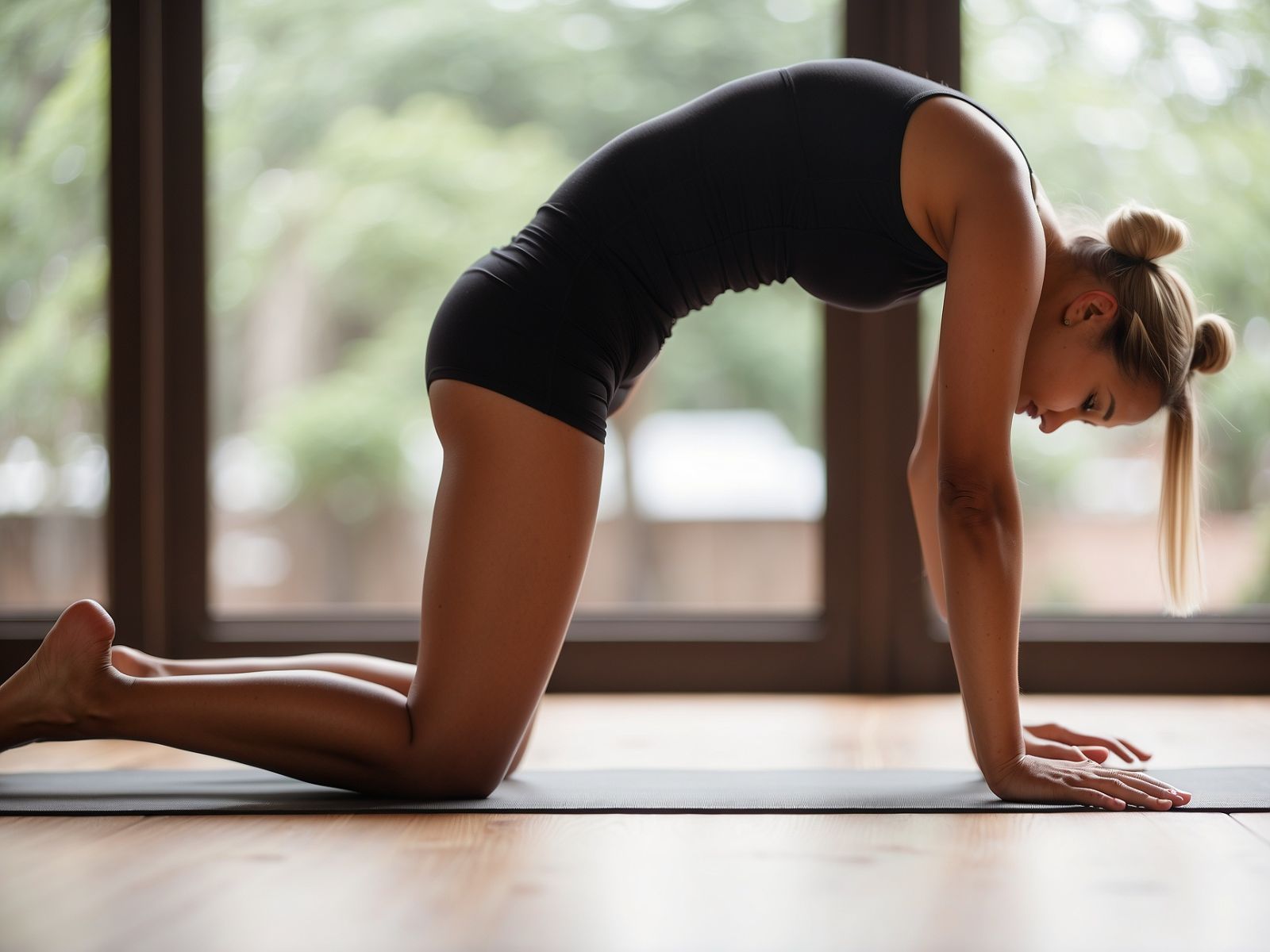
The "Cat-Cow" exercise is excellent for relieving tension in the back, especially after long periods of sitting or repetitive movement patterns. Additionally, it helps improve spinal flexibility, which is crucial for maintaining healthy movement and preventing stiffness in the back. Regularly incorporating this exercise into your routine can contribute to overall back health, as well as maintaining flexibility and mobility.