

Orthopedic Physiotherapy
Calcaneus (Heel Bone) Fracture: Symptoms, Causes and Treatment
The calcaneus is a vital bone in the structure of the human foot, bearing weight and providing mobility and stability during walking. A calcaneus fracture can cause severe pain and significantly reduce mobility. Understanding the symptoms, causes, and treatment options is crucial for timely and effective rehabilitation and recovery.
Basic Anatomy of the Calcaneus
The calcaneus, also known as the heel bone, is the largest and strongest bone in the human foot, playing a key role in supporting body weight and enabling movement. This bone is located in the back of the foot and forms the rear portion of the foot arch. The foot arch, composed of multiple bones, muscles, and connective tissue, allows the foot to absorb and transfer body weight during various activities such as walking, running, and jumping. It also provides the necessary flexibility and stability for different terrains and movements.
Anatomically, the calcaneus is connected to two very important structures: the Achilles tendon and the plantar fascia. The Achilles tendon, the strongest and largest tendon in the human body, attaches to the back of the calcaneus. The plantar fascia, a broad band of connective tissue that also attaches to the calcaneus, supports the foot arch and helps maintain the structural integrity of the foot arch. It acts as a shock absorber and distributes pressure generated during walking or running.
In addition to these two structures, other important muscles and ligaments are associated with the calcaneus, contributing to its functionality. These include muscles that aid in toe movement and ligaments that connect the calcaneus to other foot bones, such as the talus, together forming a complex joint mechanism known as the subtalar joint. This joint allows the foot to adapt to uneven terrain and absorb shocks, which is especially crucial during activities like running on uneven surfaces.
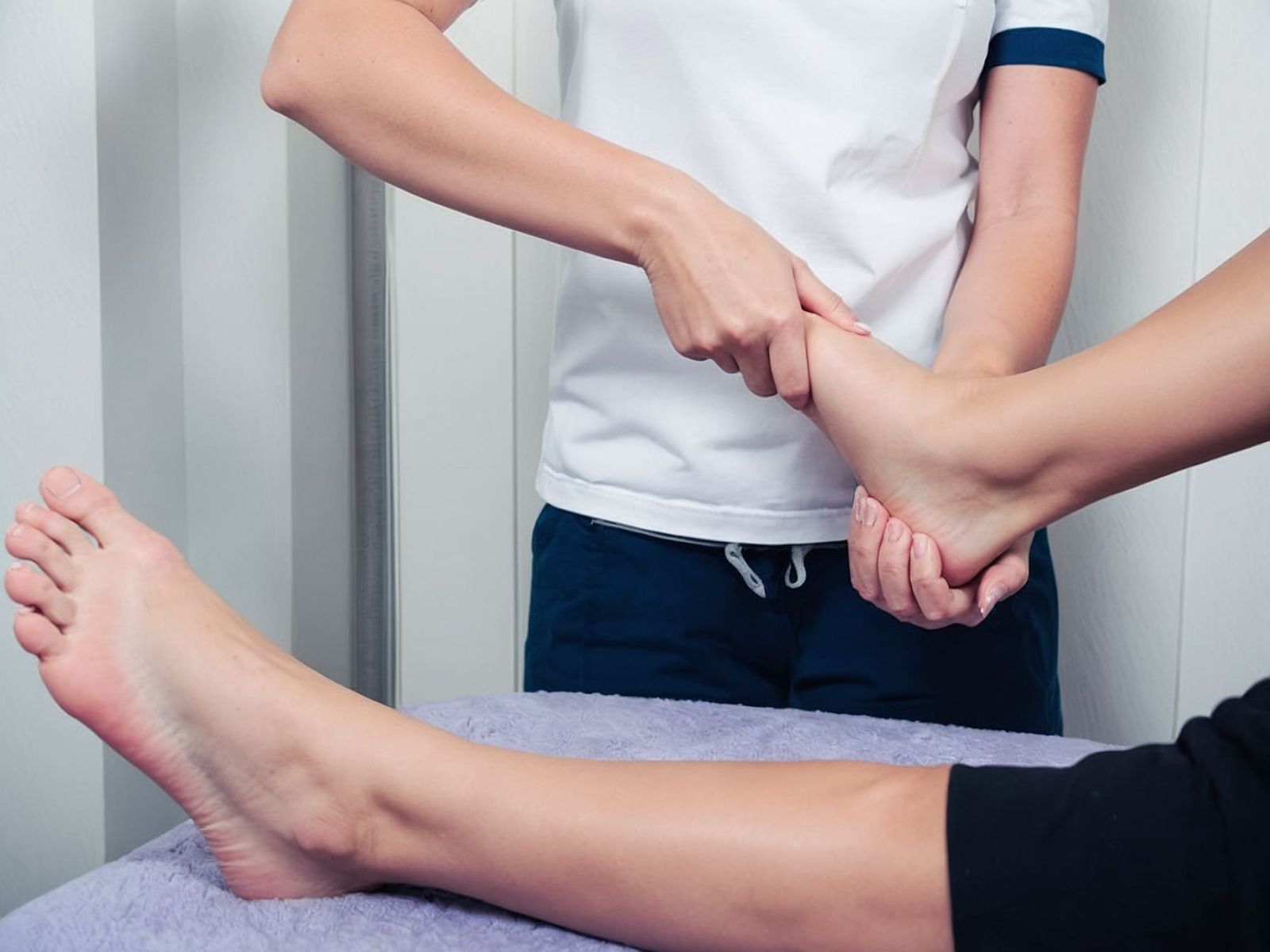
Understanding the anatomy of the foot area is crucial, as it explains how injuries such as a calcaneus fracture affect the overall functionality of the lower limb and why they can have such a significant impact on an individual's quality of life.
Symptoms of a Calcaneus Fracture
A calcaneus fracture typically presents with several characteristic symptoms that collectively indicate this severe injury:
- Sharp Pain: The injury is often marked by sharp, stabbing pain that occurs immediately upon impact or fall. The pain is usually intense and localized to the heel area but may radiate across the entire foot.
- Swelling and Bruising: Swelling is a common bodily response to injury and can quickly develop at the fracture site. Bruising, caused by bleeding under the skin, may become visible a few hours after the injury and is a sign of soft tissue and blood vessel damage.
- Difficulty Walking: Due to intense pain, the individual may experience difficulty walking or even be completely unable to bear weight on the injured foot.
- Instability and Inability to Step Properly: The injured foot may become unstable, making it difficult to maintain balance. There is often a sudden inability to properly step on the heel or the entire foot, indicating the severity of the fracture.
Causes of a Calcaneus Fracture
A calcaneus fracture can result from various factors, often associated with specific activities or accidents:
- Direct Impact: Sports such as soccer, rugby, or hockey, where collisions are common, often lead to direct impacts on the calcaneus.
- Falls: Particularly during work at heights or in sports, a calcaneus fracture can occur when a person lands on their feet. The landing force is directly transferred to the calcaneus, potentially causing a fracture.
- Overuse: Prolonged or repetitive stress on the calcaneus can lead to stress fractures. These fractures result from the accumulation of micro-damage in the bone, weakening its structure over time.
Diagnosis of a Calcaneus Fracture
Timely and accurate diagnosis of a calcaneus fracture is crucial for effective treatment and speedy recovery. Various diagnostic techniques help doctors assess the extent of the injury and determine the most appropriate treatment method:
- X-ray Examination: This is the most common and quickest way to confirm a fracture. X-rays visualize the bone structure and reveal the location and extent of the fracture. This method is very effective in detecting most calcaneus fractures, but some smaller or more complex fractures may not be immediately visible.
- CT or MRI: For more complex cases or when X-rays do not provide sufficient information, doctors may opt for computed tomography (CT) or magnetic resonance imaging (MRI). CT scans are particularly useful for detailed imaging of bone fragments, while MRI provides exceptional detail of soft tissues. This is helpful in detecting ligament, tendon injuries, and internal bleeding that may accompany the fracture.

Older adults and active athletes are more prone to calcaneus fractures due to an increased likelihood of falls and injuries, as well as general wear and tear on the body that can weaken the bones.
Treatment of a Calcaneus Fracture
The treatment of a calcaneus fracture depends on the type and severity of the fracture. Typically, treatment begins with conservative methods, while more severe fractures may require surgical intervention:
- Immobilization: Wearing a cast or brace is a standard procedure to ensure rest, protection, and proper healing of the injured area. Immobilization helps reduce pain, limit swelling, and prevent further injury. The duration of wearing a brace or cast depends on the severity of the fracture, usually lasting from a few weeks to several months.
- Surgery: In cases where bone fragments are displaced or the fracture is complex, surgical intervention may be necessary to properly align the bones. During surgery, plates, screws, or other implants are used to stabilize the broken parts. Surgery may also involve the repair of damaged soft tissues. Post-surgery, a rehabilitation period is essential to restore strength, mobility, and functionality of the foot.
The Role of Physiotherapy in Treating a Calcaneus Fracture
Physiotherapy is a key component of the rehabilitation process after a calcaneus fracture, playing a vital role in speeding up recovery, improving functionality, and preventing long-term complications. The process usually starts with gradual exercises to enhance range of motion, strengthen muscles, and improve coordination.
- Early Rehabilitation Phase: Immediately after immobilization or surgery, gentle mobility exercises are initiated to reduce stiffness and maintain the range of motion in the ankle and foot. The physiotherapist may also recommend light strengthening exercises that do not stress the injured calcaneus.
- Intermediate Rehabilitation Phase: As the fracture begins to heal, the intensity of exercises is increased. Balance exercises may be incorporated to help restore stability. The physiotherapist may use various techniques to improve blood circulation and alleviate pain.
- Late Rehabilitation Phase: In this phase, the focus shifts to restoring full functionality of the foot. Exercises become more challenging and tailored to the specific activities the individual aims to resume.

Each case of a calcaneus fracture requires an individualized approach, with collaboration between the patient, doctor, and physiotherapist being crucial for the best possible outcomes. Full rehabilitation can take anywhere from a few months to over a year, depending on the severity of the injury and individual recovery goals.
Prevention and Awareness
Prevention and awareness are essential components of maintaining health and well-being, especially for those frequently exposed to risks. The following strategies can help reduce the likelihood of such injuries:
- Appropriate Footwear: High-quality, properly chosen footwear is crucial for preventing calcaneus injuries. Shoes should provide adequate support and cushioning, particularly in the heel area, to absorb impacts during walking or running. When selecting footwear, it is also important to consider the type of surface and the activity being performed.
- Gradual Increase in Load: Special attention should be given to gradually increasing the intensity and duration of physical activities. This allows the body to adapt to new demands without overloading bones, muscles, or ligaments. This approach is particularly important when starting a new exercise or sport where the risk of injury is higher.
- Strength and Balance Training: Regular exercises that strengthen leg muscles and improve balance are extremely beneficial for preventing falls and other accidents that can lead to fractures. Exercises such as squats, lunges, and various forms of balance training help fortify the muscular system and enhance body stability.
- Caution on Hazardous Surfaces: Being mindful of potentially slippery or uneven surfaces can significantly reduce the risk of slips and falls. The use of trekking poles or other stabilizing aids on uneven terrain is recommended, especially for older individuals or those with reduced physical stability.
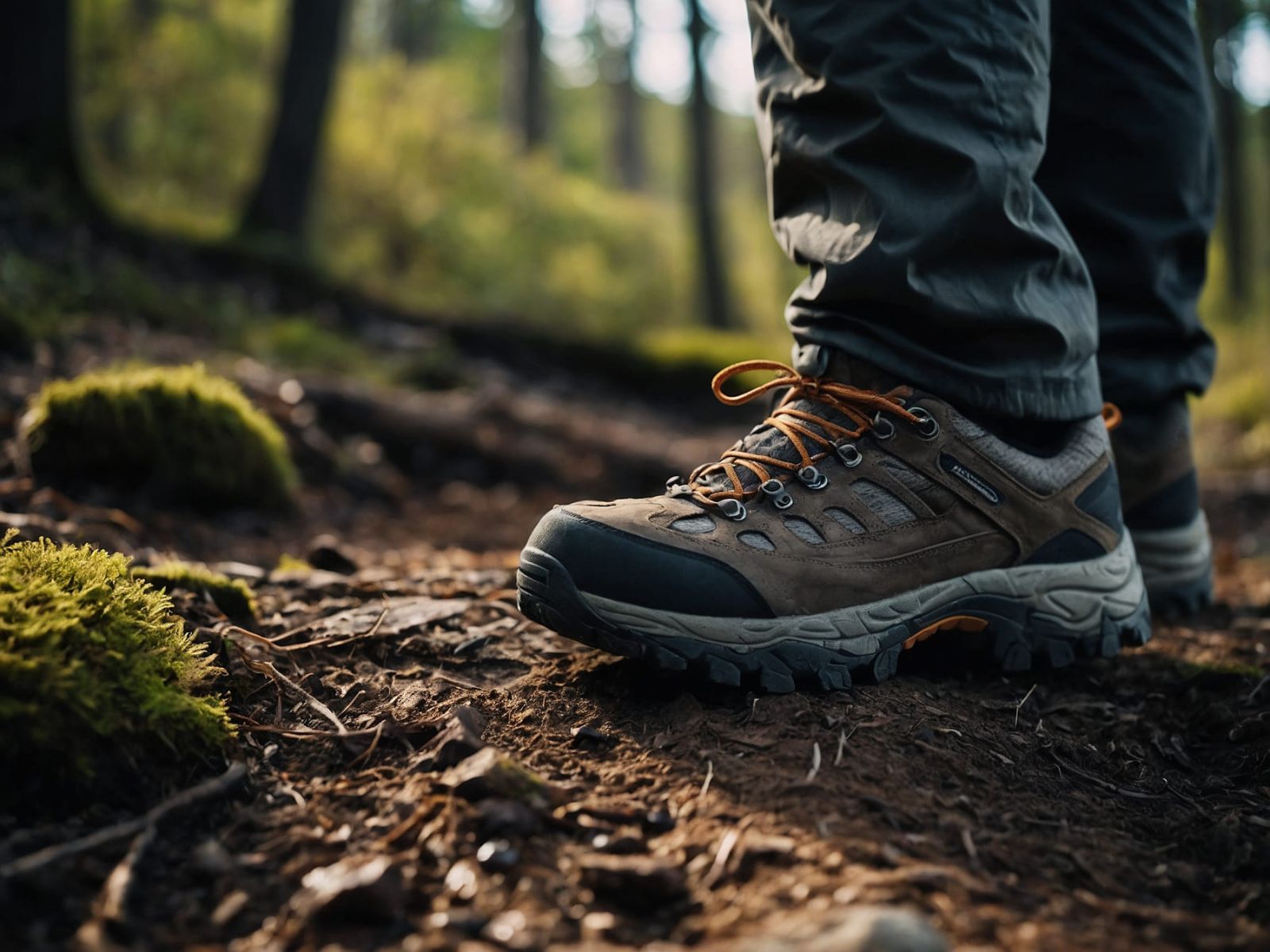
By following these preventive measures, individuals can significantly reduce the risk of calcaneus fractures and other related injuries, thereby maintaining their activity levels and quality of life.