

Health
Acupressure: A natural therapy for reducing stress and pain
Acupressure is an ancient natural healing technique that originates from traditional Chinese medicine. It is based on applying pressure to specific points on the body to stimulate self-healing and improve the flow of life energy, known as "qi" (chi). These points are connected to energy meridians that influence the functioning of organs and body systems. In this article, we will introduce what acupressure is, how it works, its benefits, and how it can be used to alleviate various ailments.
What is Acupressure?
Acupressure is an ancient therapeutic technique originating from traditional Chinese medicine and closely related to the principles of acupuncture. At the heart of acupressure lies the belief that energy flows, known as Qi (or Chi), travel through specific channels called meridians throughout the body. These pathways connect various parts of the body and support the harmonious functioning of organs and tissues. By applying pressure to specific points along these meridians, acupressure helps restore the balance of energy flow, promoting the body's natural ability to heal itself.
Acupressure is popular for its non-invasive nature and simplicity. Unlike acupuncture, which involves the use of needles, acupressure uses only pressure applied with fingers, elbows, or tools, making the technique accessible even to those without specialized training. As part of a holistic approach to health, acupressure focuses on promoting internal balance and eliminating energy blockages, thereby enhancing overall well-being.
One of the advantages of acupressure is its wide applicability and accessibility, as it can be used for relaxation, alleviating discomfort, and supporting overall health. The technique is designed to naturally stimulate the body's processes, contributing to better physical and mental balance.
How Does Acupressure Work?
Acupressure is based on the theory that specific points on the body are connected to various organs and bodily functions through energy pathways known as meridians. By applying pressure to these points, not only are surface tissues stimulated, but also deeper muscle layers and nerve endings, triggering various bodily responses that contribute to improved overall health. The mechanism of acupressure involves several key processes. Pressure on specific points initiates signaling within the nervous system, activating a central nervous system response and releasing endorphins – the body's natural pain relievers. Endorphins play a crucial role in reducing pain and promoting a sense of well-being. Additionally, stimulating these points enhances blood circulation in the treated area, improving the delivery of oxygen and nutrients to tissues and the removal of toxins. This facilitates faster recovery and reduces inflammation.
Acupressure also helps relieve muscle tension, improving mobility and reducing stiffness. This relaxing effect is particularly beneficial for individuals dealing with chronic tension or muscle cramps. In addition to its physical benefits, acupressure also influences the autonomic nervous system, as it promotes body relaxation and stress reduction, helping to balance sympathetic and parasympathetic responses. This contributes to a greater sense of calm and relaxation. Acupressure is often performed using fingers, palms, or specialized tools, employing various techniques such as circular motions, sustained pressure, or tapping, depending on the treatment goal. It is important that the pressure is sufficient to stimulate the desired points but not so strong as to cause pain or discomfort.
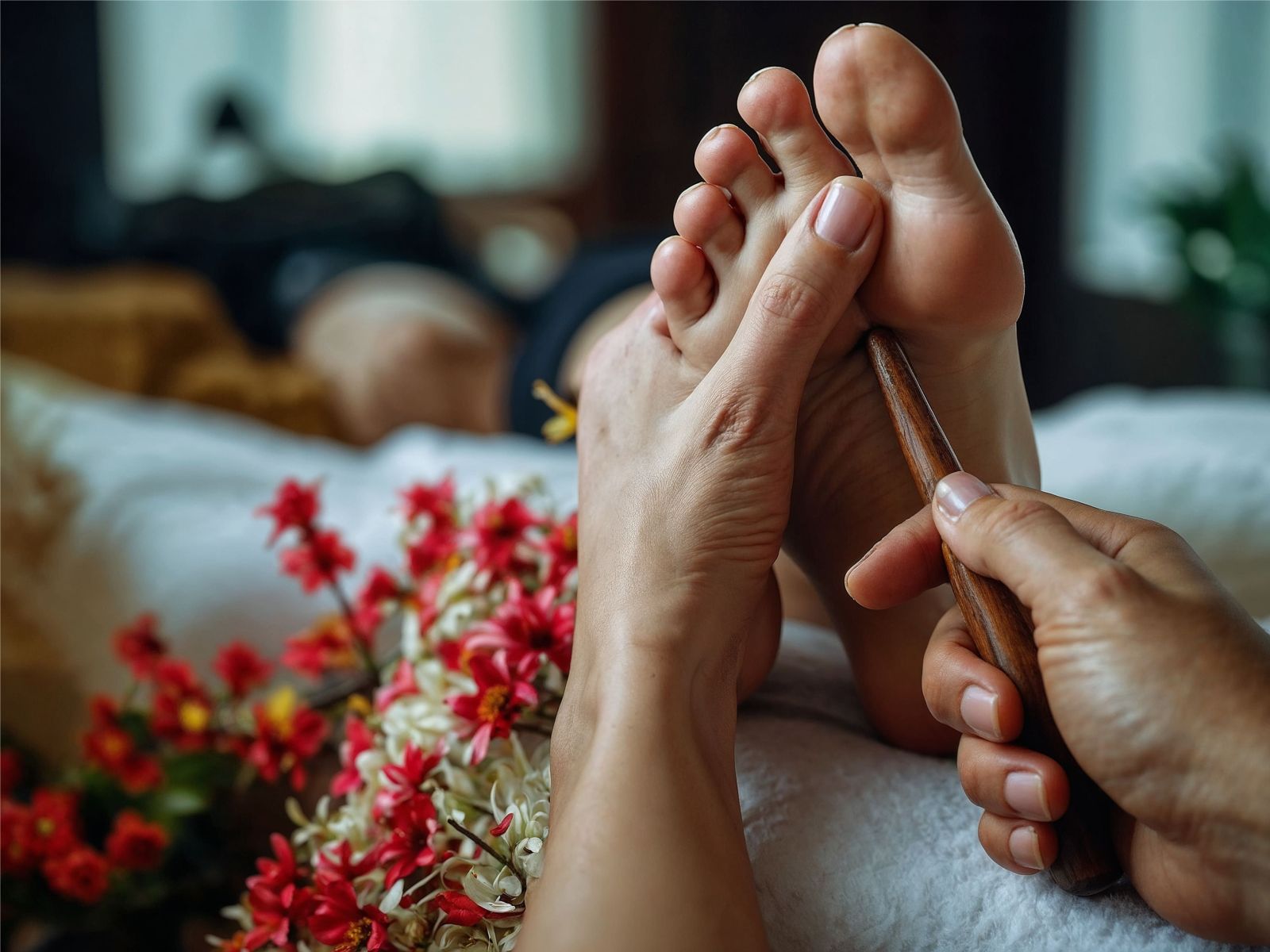
Regular practice of acupressure can help improve energy flow and maintain overall bodily balance, making it easier to manage daily stress factors and support the body's natural healing processes.
Important Acupressure Points
There are hundreds of acupressure points in the body, strategically located along the meridians – energy pathways that connect different parts of the body and facilitate the flow of Qi, or life energy. Each point has a specific function and can influence various bodily systems. While acupressure is a holistic therapy that considers the body as a whole, certain points are particularly effective for alleviating specific issues and are popular for home use. Below are three key acupressure points that are commonly utilized:
- Point LI-4 (Hegu): Located between the thumb and index finger on the hand, in the muscle depression that forms when the fingers are pressed together. The LI-4 point is often referred to as the “headache point” due to its effectiveness in relieving headaches and tension in the head area. Additionally, it is used to reduce stress and alleviate facial pain and toothaches. Pressing this point promotes the flow of energy throughout the body, relieves tension, and supports overall relaxation.
- Point SP-6 (Sanyinjiao): This point is located on the inner side of the leg, about three finger-widths above the ankle, just next to the shinbone. The SP-6 point is known for its broad health benefits, as it acts on multiple body systems. It is commonly used to relieve menstrual pain by regulating blood flow and reducing cramps. Additionally, SP-6 helps improve digestion by stimulating the digestive system and reduces anxiety, making it particularly beneficial for people dealing with stress and inner restlessness.
- Point ST-36 (Zusanli): Found on the lower leg, approximately four finger-widths below the knee and one finger-width away from the shinbone, outward. ST-36 is one of the most powerful acupressure points, renowned for its effects on boosting body energy, improving digestion, and supporting the immune system. Regular stimulation of this point can help enhance overall vitality, improve the body's resistance to illnesses, and accelerate recovery from fatigue. In traditional Chinese medicine, ST-36 is frequently used as a preventive measure to strengthen health and maintain physical endurance.
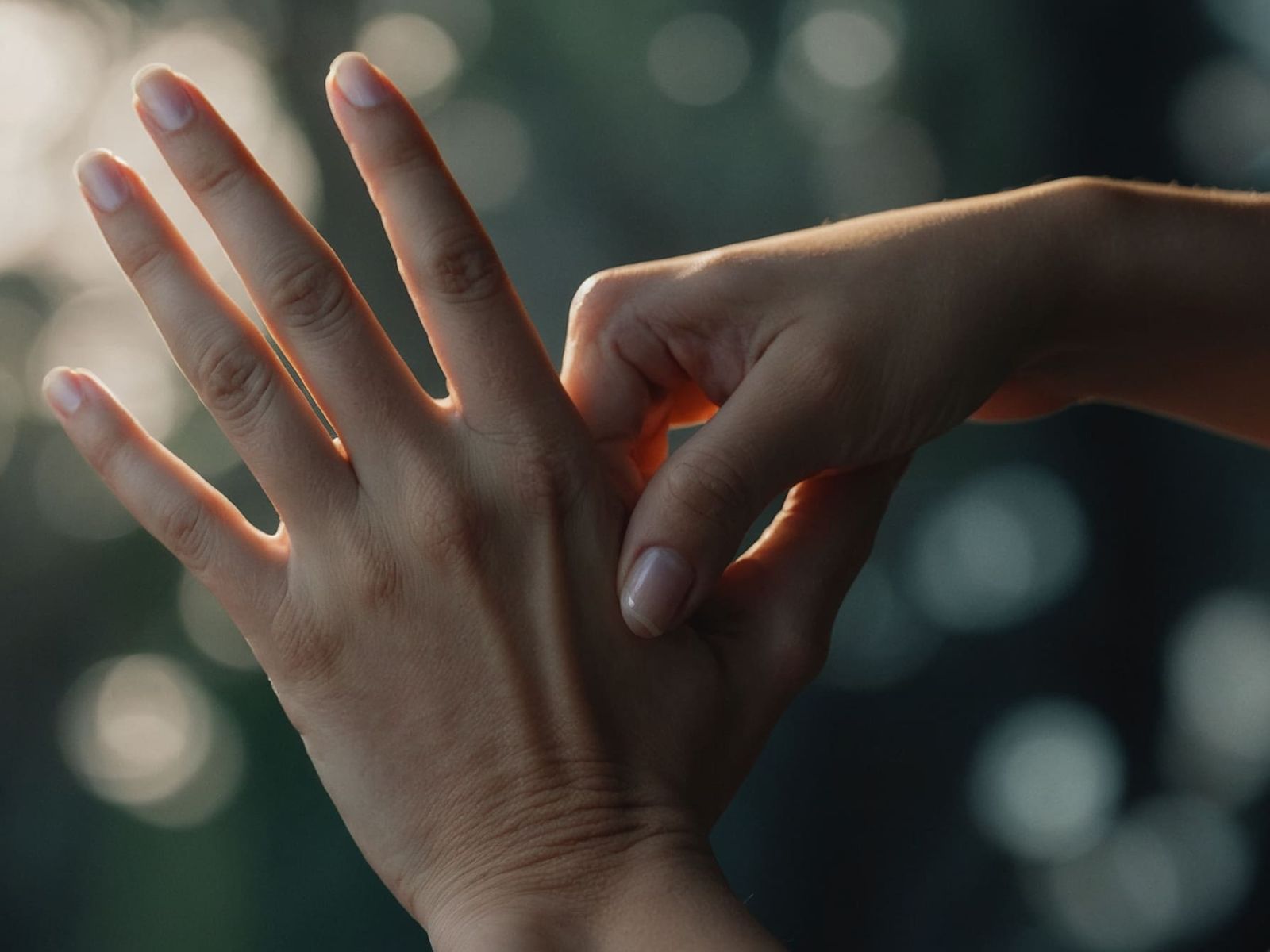
The stimulation of these key points can help alleviate various physical and mental issues, improve overall well-being, and boost energy levels. It is important to perform acupressure with gentle but firm movements and stop immediately if any discomfort arises. While these points are safe for self-application, consulting a trained therapist is recommended for more complex issues or to achieve maximum benefits.
Benefits of Acupressure
Acupressure offers a wide range of benefits for various physical and mental conditions by promoting the body’s natural healing processes to improve health and well-being. By stimulating specific points on the body, acupressure enhances energy flow and removes energetic blockages. Below are some of the most common benefits that regular acupressure can provide:
- Pain relief: One of the most well-known benefits of acupressure is its ability to alleviate various types of pain. Acupressure is particularly effective in managing headaches, migraines, back pain, neck and shoulder pain, and muscle tension. Applying pressure to specific points releases endorphins, which act as natural pain relievers, and improves blood circulation in the treated areas, promoting recovery and reducing inflammation.
- Stress and anxiety reduction: Stimulation of certain acupressure points helps relieve tension in the body, calm the mind, and promote deep relaxation. These points activate the parasympathetic nervous system, leading to a reduction in stress hormones such as cortisol. Regular acupressure can improve sleep, reduce anxiety, and contribute to overall emotional balance.
- Improved digestion: Acupressure can positively affect the digestive system by stimulating proper bowel function and enhancing digestion. Pressing specific points, such as SP-6, promotes energy flow in the digestive tract and helps alleviate digestive issues such as constipation, bloating, and indigestion. Acupressure also stimulates the release of digestive enzymes, supporting better nutrient absorption and a healthy digestive system.
- Increased energy and enhanced well-being: One of the significant benefits of acupressure is its positive impact on overall energy levels and vitality. By removing blockages in the energy pathways, acupressure promotes a smooth Qi flow throughout the body, contributing to increased energy and improved well-being. Regular stimulation of points like ST-36 (Zusanli) helps boost endurance and reduce feelings of fatigue, leaving individuals feeling more vital and capable of tackling daily challenges.

Acupressure is a versatile technique that can be practiced independently or as a complement to other treatment methods. It is important to perform it correctly and regularly to achieve the best results. Due to its safety and non-invasiveness, acupressure is ideal for individuals seeking a natural method to support physical and mental health.
How is acupressure performed?
Acupressure is a simple and non-invasive technique that you can practice at home or with the help of a trained therapist. Acupressure is most commonly performed using fingers, typically thumbs or index fingers, though therapists may also use palms, elbows, or special tools for specific techniques. The primary goal of acupressure is to stimulate specific points on the body to relieve tension, improve blood circulation, and promote energy flow through the meridians.
When performing acupressure, it is important that the pressure is firm enough to produce a slight sensation of pain or tension but not uncomfortable or painful. Pressure can be applied in two ways – with gentle circular movements to stimulate the point through rotation, or with sustained pressure lasting a few seconds to a few minutes. Acupressure can be done while sitting, lying down, or standing, depending on the point being stimulated and your comfort level. To achieve the best results from acupressure, follow these guidelines:
- Choose a calm environment: Practice acupressure in a quiet and relaxed setting where you can focus on your breathing and body relaxation.
- Use appropriate pressure: The pressure should be firm but not too strong. If you experience too much pain or discomfort, adjust the pressure to remain within a comfortable range.
- Incorporate breathing: Breathe deeply while stimulating the points. Breathing helps the body relax and enhances the effect of acupressure.
- Pay attention to duration: The stimulation of a single point typically lasts between 30 seconds and two minutes. The pressure should remain consistent but can be slightly reduced and then reapplied if needed.
- Regularity: For long-term benefits, it is recommended to practice acupressure regularly. This could mean daily stimulation of specific points or several times a week, depending on your needs.

Although acupressure is safe for most people, it should not be performed on areas that are injured, inflamed, or painful due to acute injuries. Pregnant women should consult a doctor or therapist before practicing acupressure, as pressing certain points can stimulate uterine contractions. The technique of acupressure can be enhanced with the use of natural massage oils, allowing for smoother gliding over the skin and additional relaxation. If you visit a qualified therapist, they can identify the most effective points for your specific issues and adjust the approach based on your needs and health condition.
Acupressure Tools
In addition to traditional acupressure, which is performed using fingers, there are various tools available that can facilitate the application of this technique and enhance its effectiveness. Acupressure tools are designed to provide deeper and more precise stimulation of points on the body, making them easy to use at home. Below are some of the most commonly used acupressure tools:
- Acupressure mat: An acupressure mat is one of the most popular tools for home use. It is covered with small spikes or points designed to stimulate acupressure points on the back, neck, or other areas of the body when you lie on it or press it against a specific area. Using an acupressure mat promotes blood circulation, reduces muscle tension, and helps relieve pain and stress.
- Acupressure ball: Small acupressure balls with spikes or hard bumps are excellent for targeted stimulation of individual points on the body. They can be used for massaging the hands, feet, or back, making it easier to reach points that are difficult to access with fingers. An acupressure ball is especially useful for self-massage and relieving muscle tension.
- Acupressure roller: A roller is similar to a mat but designed to roll easily over various parts of the body, such as legs, back, or arms. This tool allows for more dynamic stimulation of acupressure points and is ideal for improving blood circulation and relieving tense muscles.
- Massage sticks and pressure aids: Massage sticks and pressure aids are designed to help reach specific points on the body. These tools come in various shapes and sizes, enabling precise and targeted stimulation of points in hard-to-reach areas such as the shoulders or back.
- Electronic acupressure stimulators: Some modern acupressure tools include electronic stimulators that use gentle electrical impulses to stimulate points. These tools are suitable for individuals seeking a combination of acupressure and electrotherapy for deeper muscle relaxation and pain relief.
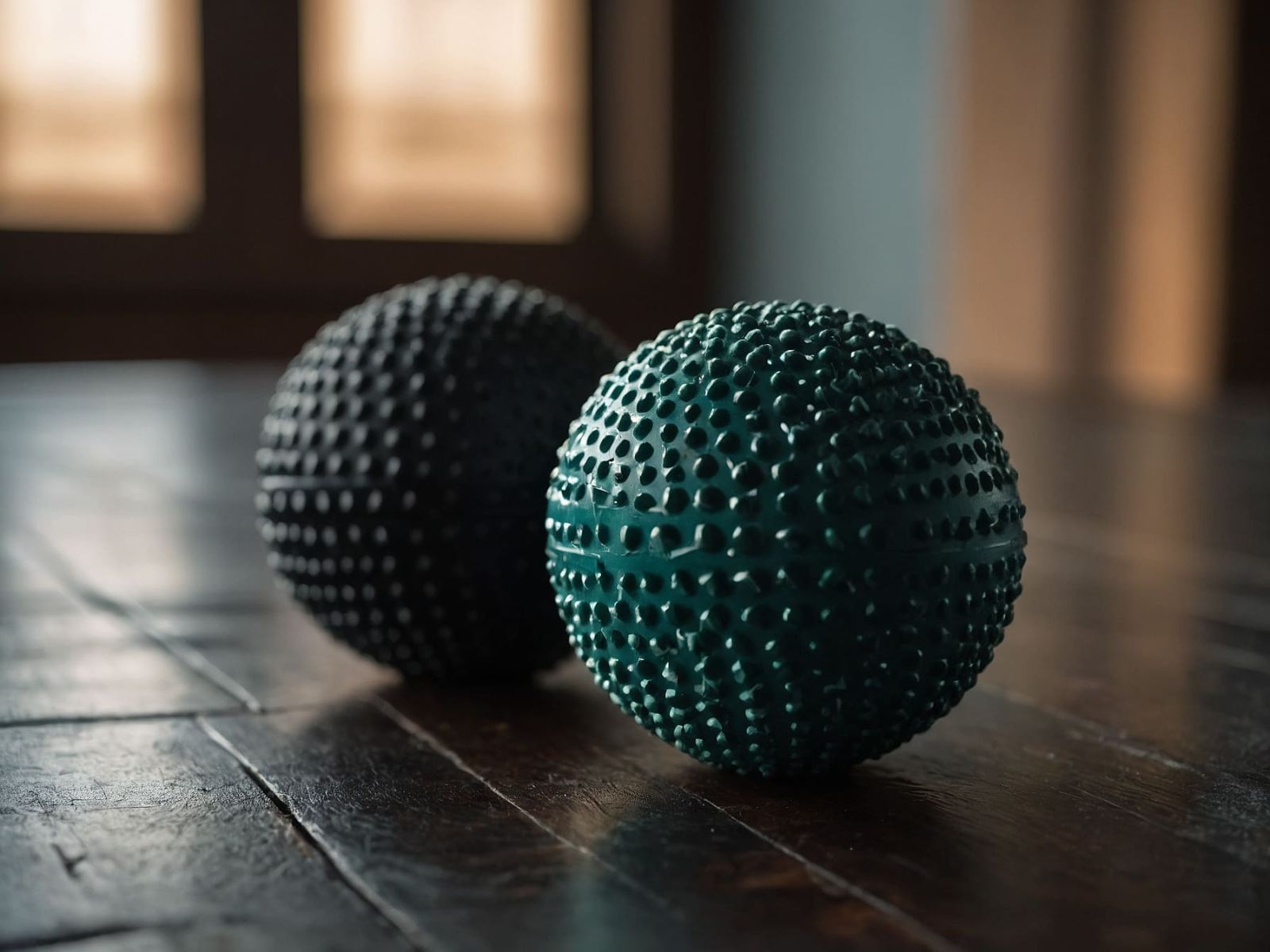
The use of acupressure tools is straightforward and can significantly enhance the experience and results of this technique. Before using the tools, it is important to carefully read the instructions to avoid excessive pressure or improper use, which could cause discomfort. If you are unsure which tool would be most suitable for you, you can consult an acupressure therapist who will help you select the appropriate tool for your needs.