

Sports physiotherapy
ACL Surgery: Procedure, Recovery, and Expected Outcomes
An anterior cruciate ligament (ACL) injury is a common sports injury that can significantly impact an individual's activities, particularly for athletes. While minor ligament injuries can be managed with conservative methods such as physiotherapy and proper rehabilitation, more severe injuries may require ACL surgery.
What is ACL Surgery?
ACL surgery, also known as anterior cruciate ligament reconstruction, is a surgical procedure used to treat injuries to the anterior cruciate ligament (ACL). This ligament is one of the four primary ligaments that provide knee stability and prevent excessive movement. ACL surgery is typically performed on individuals who have sustained an ACL injury, often resulting from sports injuries or sudden movements that exceed the normal range of motion of the knee. ACL injuries are common in sports that involve rapid turning, jumping, and sudden changes in direction. During the surgery, the damaged portion of the ligament is removed and replaced with a graft, usually taken from the hamstring tendon or the patellar tendon. The graft is then secured in place within the knee using screws, loops, or other fixation devices to ensure proper integration of the new ligament.
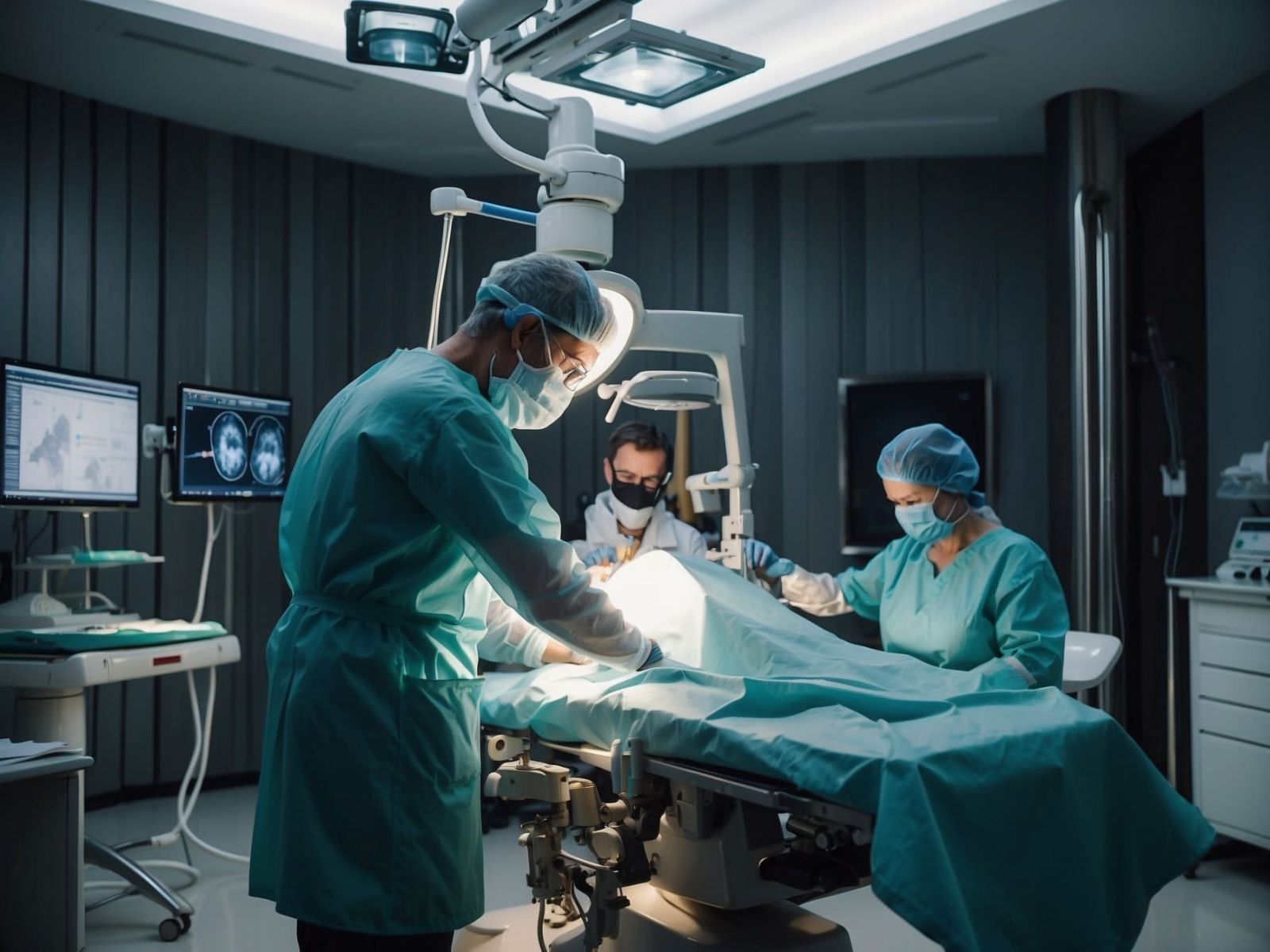
The goal of ACL surgery is to restore the stability and functionality of the knee and allow the patient to return to activities they performed before the injury. It is important to understand that ACL surgery is a serious surgical procedure that requires careful planning and postoperative rehabilitation. Before the surgery, the patient undergoes a thorough examination to confirm the ACL injury and assess any other potential knee injuries. After the surgery, proper management of recovery and rehabilitation is crucial to ensure a successful and lasting outcome of the ACL surgery.
When Is ACL Surgery Necessary?
ACL surgery is typically necessary in cases of injury to this crucial knee ligament, which provides joint stability. There are several scenarios where ACL surgery is recommended:
- Complete ACL Tear: If the ACL is completely torn, which often occurs in sports injuries, surgery is usually advised. A complete ligament tear typically leads to knee instability and limitations in daily activities and sports.
- Failed Conservative Treatment: In some cases, conservative treatment does not lead to sufficient improvement in symptoms. If instability and pain persist despite conservative measures, the doctor may recommend ACL surgery.
- Recurrent ACL Injuries: If a patient experiences repeated ACL injuries, surgery may be needed to prevent further damage and ensure long-term knee stabilization.
- Active Athletes: For active athletes, particularly those involved in sports requiring rapid movements and turns, ACL surgery can help restore knee stability and functionality, enabling a safe return to sports activities.
- Associated Injuries: If the ACL injury is accompanied by other knee injuries, such as meniscus tears or injuries to other ligaments, surgical intervention can assist in comprehensive rehabilitation and restoration of knee function.
ACL surgery is a serious procedure, and the decision is always made on an individual basis, considering the patient’s symptoms, activities, and treatment goals. Before surgery, the doctor thoroughly evaluates all aspects of the injury and the patient’s health condition and provides guidance on the best possible treatment option.
ACL Surgery Procedure
Anterior cruciate ligament (ACL) surgery is a complex procedure aimed at restoring knee stability and functionality. The process involves several carefully executed phases to achieve optimal results and minimize the risk of complications. Below are the key steps, including preparation for surgery, ACL reconstruction, and graft fixation:
- Preparation: Before the surgery, a thorough examination and assessment of the knee by the doctor are essential. This includes diagnostic tests to confirm the ACL injury and evaluate any additional damage or structural changes in the knee. Additionally, the patient’s overall health status is reviewed, and potential risks associated with anesthesia are assessed.
- ACL Reconstruction: During the surgery, the surgeon focuses on reconstructing the anterior cruciate ligament. This is typically done using a tissue graft to replace the damaged ACL. The graft can be harvested from various parts of the body, most commonly the hamstring tendon or the patellar tendon. The surgeon carefully prepares the graft and positions it at the site of the damaged ACL.
- Fixation: Once the graft is properly placed, fixation is performed to ensure proper healing and integration of the new ligament. This is achieved using screws, loops, or other fixation devices to securely anchor the graft. Fixation is crucial for stability and the overall success of the surgery.

The entire ACL surgery process requires precision and skill from the surgeon, as well as collaboration from the entire medical team. Postoperative recovery and rehabilitation are also crucial to enable the patient to safely return to activities and sports.
Recovery After ACL Surgery
Recovery after ACL surgery is essential for the patient’s full rehabilitation and return to an active lifestyle. Below, the key phases of recovery are described in detail, including the early phase, gradual strengthening and stabilization, and finally, the return to sports activities. Each phase has critical aspects that must be considered to achieve optimal results and avoid potential issues during recovery.
- Early Recovery Phase: Immediately after surgery, the focus is on pain management, reducing swelling, and gradually restoring knee mobility. The patient will face initial challenges such as pain and limited mobility, so it is essential to regularly perform prescribed stretching and recovery exercises. The physiotherapist plays a crucial role in this phase by monitoring progress, providing guidance on proper movement techniques, and adjusting aids such as crutches or a brace.
- Gradual Strengthening and Stabilization: In subsequent recovery phases, rehabilitation focuses on gradually strengthening the muscles around the knee and improving balance and coordination. The physiotherapist will develop a personalized exercise program that includes strengthening exercises for the quadriceps, hamstrings, calves, and other muscle groups supporting the knee. Additionally, balance and coordination exercises help restore knee stability and reduce the risk of re-injury.
- Return to Sports Activities: As knee strength and stability gradually improve, the patient can begin preparing for a return to sports activities. However, it is crucial that this return is slow and progressive, allowing the knee to adapt to the demands of the sport. The patient must carefully follow the doctor’s and physiotherapist’s instructions, avoiding excessive loads and high-risk activities. A gradual reintegration into sports activities allows the body to adapt to new demands and minimizes the risk of re-injury. It is also important for the patient to continue regular physiotherapy exercises, monitor progress, and watch for any signs of overuse or problems.
Expected Outcomes After ACL Surgery
The expected outcomes after ACL surgery are essential for the patient’s full recovery and return to an active lifestyle. The primary goal of the surgery is to restore knee stability and functionality, allowing the patient to safely perform daily and sports activities. Below, three key outcomes are discussed in detail: improved knee stability, reduced risk of re-injury, and return to preoperative activity levels.
- Improved Knee Stability: The central goal of ACL surgery is to restore the knee stability compromised by ligament injury. A well-executed surgery and careful recovery typically result in improved knee stability. This enables the patient to safely engage in activities requiring dynamic movements such as running, jumping, and sports involving turning and quick directional changes. Improved stability provides the patient with greater confidence in movement and reduces the risk of further injuries or knee instability.
- Reduced Risk of Re-Injury: With appropriate rehabilitation and adherence to medical advice, the risk of re-injury to the ACL or other knee structures is minimized. Physiotherapy programs following ACL surgery are typically focused on strengthening the muscles around the knee, improving stability and coordination, and restoring functionality. This enhances the knee’s resistance to potential injuries and stresses, enabling the patient to lead an active life without fear of re-injury.
- Return to Preoperative Activity Levels: Many patients can regain the level of activity and sports performance they had before the injury after successful ACL surgery. With proper rehabilitation, persistence, and determination, patients can gradually resume their favorite sports activities. It is crucial, however, to focus on a gradual and thoughtful return while avoiding excessive knee strain to ensure safety and the long-term success of the surgery.

ACL surgery is a serious procedure, but properly performed surgery and guided rehabilitation can yield excellent results. By carefully following medical advice and exercising patience during recovery, long-term stability and functionality of the knee can be ensured. This allows patients to return to an active lifestyle without limitations.